Paying Vendors in Local Currency: A Negotiation Strategy for Better Payment Terms
Paying vendors in local currency can help Canadian businesses reduce supplier FX friction, improve payment predictability, and create more room to negotiate better pricing, payment terms, and handling fees.
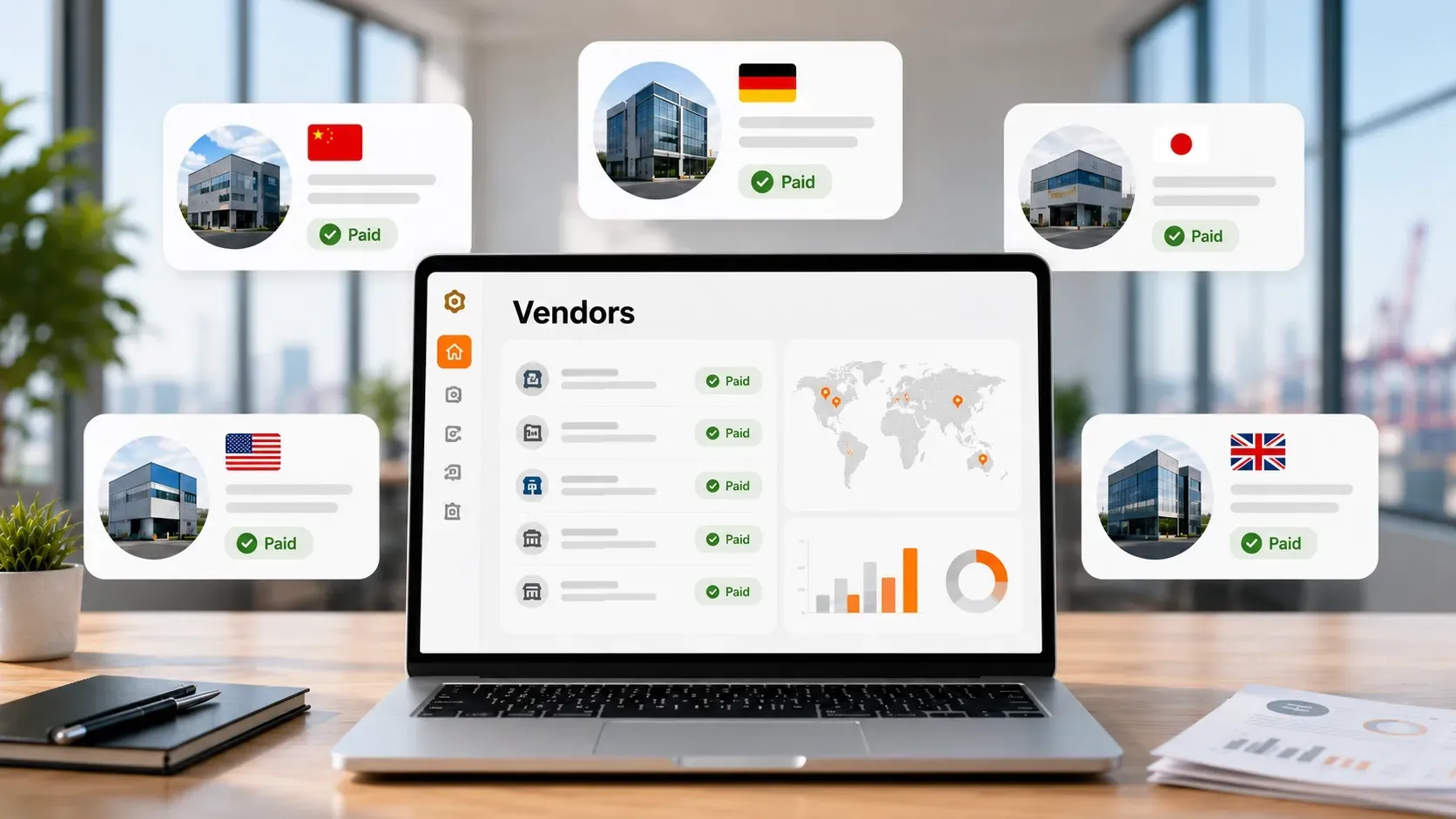
Paying vendors in local currency can help Canadian businesses negotiate better supplier pricing, reduce payment uncertainty, and improve international vendor relationships. When overseas suppliers receive funds in the currency they use for wages, materials, taxes, and operating costs, they may face fewer conversion costs and may be more open to improved payment terms.
For companies that import goods, pay overseas invoices, or manage recurring supplier payments, currency choice should be part of the commercial discussion. A well-structured global payments process can reduce vendor friction and support more productive supplier negotiations.
MTFX helps Canadian businesses manage international business payments in multiple currencies with competitive exchange rates, secure transfers, and business-focused FX support. With over 30 years of foreign exchange experience, MTFX provides the expertise businesses need to manage international supplier payments more efficiently.
Can paying vendors in local currency help you negotiate better payment terms?
Yes. Paying vendors in local currency can help businesses negotiate better payment terms because it reduces currency uncertainty for the supplier and gives the buyer a more practical negotiation point.
Many overseas vendors build a margin buffer into foreign-currency invoices to protect against exchange-rate movement, conversion charges, and settlement uncertainty. When a Canadian business offers to pay in the supplier’s preferred currency, that buffer may become negotiable.
For finance and procurement teams, payment planning affects cash flow, invoice timing, and supplier commitments. Businesses managing recurring payables across multiple markets often need stronger accounts payable automation to keep vendor payments organized and cost-efficient.
Canada’s cross-border trade activity also makes supplier payment structure more important. Statistics Canada’s international trade data shows how closely Canadian businesses are connected to global markets, which makes currency planning a practical part of supplier cost management.
How local-currency payments support supplier negotiations
This approach gives procurement and finance teams a more strategic way to discuss pricing. Instead of requesting a discount without context, the business can ask whether local-currency settlement would allow the supplier to offer improved pricing, reduced fees, or better invoice terms.
| Field | Value |
|---|---|
Amount Payable (USD) 20,000 | |
Bank Exchange Rate 1.4474 / 0.6909 | |
Total cost 28,948.21CAD |
| Field | Value |
|---|---|
Amount Payable (USD) 20,000 | |
MTFX Exchange Rate 1.4226 / 0.7029 | |
Total cost 28,451.55CAD |
You Save
CAD 496.66
with MTFX
29 September 2026
We use mid-market rates. This is for informational purposes only. Log in to view send rates.
Why do overseas vendors prefer local-currency payments?
Overseas vendors often prefer local-currency payments because their cost base is usually in that currency.
A European supplier may manage payroll and tax obligations in euros. A UK vendor may operate primarily in pounds. A manufacturer in China may manage production costs, labour, and local expenses in yuan.
When those vendors receive payment in another currency, they may need to convert the funds before using them. That creates additional cost, timing risk, and administrative work.
For Canadian buyers, exchange-rate visibility becomes important before invoice terms are finalized. Supplier pricing can look different when a business compares the cost of paying in CAD, USD, or the vendor’s home currency through the CAD to EUR exchange rate, CAD to GBP exchange rate, or CAD to CNY exchange rate.
The Bank of Canada’s exchange rate data can also help businesses understand how currencies move over time. For overseas supplier invoices, rate visibility helps separate actual supplier pricing from changes caused by currency movement.
Business can also keep an eye on currency market trends so that they can make an informed decision.
Send international vendor payments at competitive FX rates and improve payment flexibility.
Common supplier concerns with foreign-currency payments
Suppliers may increase pricing or add extra charges when they need to manage:
- Exchange-rate movement between invoice date and payment date
- Bank conversion costs
- Intermediary bank deductions
- Delayed settlement
- Uncertainty over the final amount received
- Additional reconciliation work for foreign-currency receipts
For the supplier, the issue is not only the invoice value. The issue is whether the payment arrives on time, in the expected currency, and without unexpected deductions.
A Canadian business that reduces these concerns can become a more reliable buyer. Over time, that reliability can support stronger vendor relationships, smoother repeat orders, and better commercial discussions.
Businesses that regularly pay overseas suppliers can make local-currency settlement part of a more structured vendor payment process.
How does local-currency payment strengthen your negotiating position?
Local-currency payment strengthens your negotiating position because it addresses a supplier’s operational concern while giving your business a reason to request better commercial terms.
Many supplier negotiations focus only on reducing price. That can create resistance because the supplier may already be managing production costs, shipping costs, labour expenses, and margin pressure.
Currency choice creates another area for discussion. It directly affects how much the vendor receives and how easily they can use the funds.
Before agreeing to a new invoice currency, businesses can assess recent rate behaviour through currency charts and historical rate movement. This helps finance teams separate true supplier savings from pricing changes caused by short-term FX movement.
For businesses sourcing from new markets, payment terms should also be considered alongside market-entry and vendor due diligence. The Canadian Trade Commissioner Service provides Government of Canada trade services that can help companies better understand overseas business environments before finalizing supplier relationships.
How to reposition the supplier conversation
This framing positions your business as a commercially aware buyer. It shows that you understand the supplier’s settlement process and are prepared to reduce unnecessary friction in the payment cycle.
For suppliers with multiple international customers, that can be a meaningful advantage. Buyers who pay accurately, predictably, and in the preferred currency may be easier to support over the long term.
What payment terms can businesses negotiate by paying in local currency?
Businesses can use local-currency vendor payments to negotiate several types of supplier terms. The strongest opportunity usually exists where the supplier relationship is recurring, the invoice value is meaningful, or the vendor is already exposed to foreign-currency risk.
When supplier payments are frequent or high volume, payment structure can affect more than one invoice. Companies that manage several overseas vendors may benefit from bulk international payments when recurring supplier invoices need to be settled across multiple currencies.
1. Better unit pricing
Some suppliers add an exchange-rate buffer when invoicing in CAD or USD. If your business offers to pay in the supplier’s home currency, the vendor may be able to quote more accurately.
This can be valuable for:
- Importers purchasing recurring inventory
- Businesses ordering from the same manufacturer every month
- Companies managing high-volume overseas supplier invoices
- Buyers negotiating quarterly or annual supply contracts
For importers, currency should also be reviewed alongside customs classification, duty exposure, and documentation requirements. The Canada Border Services Agency outlines key importing considerations through its commercial goods import resources, which can help businesses keep supplier payments aligned with broader import planning.
A small unit-price improvement can create meaningful savings when applied across repeated orders or larger purchase volumes.
2. Longer payment terms
A supplier may be more open to extended payment terms if the payment currency is predictable.
For example, moving from upfront payment to 30-day terms may become easier if the vendor knows the payment will be settled in the exact invoice currency.
For Canadian businesses, this can support better working-capital management without necessarily increasing the supplier’s risk.
3. Early-payment discounts
Some vendors may offer a discount when payment is made earlier in their local currency. This can be useful when the supplier values faster cash flow and the buyer has enough liquidity to pay ahead of the due date.
Possible negotiation options include:
- A small discount for payment within 10 days
- Reduced pricing for upfront local-currency settlement
- Better pricing on repeat orders
- Priority production or shipment on confirmed payment
4. Lower handling or banking fees
Foreign-currency payments can create extra processing steps for suppliers. If local-currency payment removes the need for conversion or special handling, the vendor may be willing to reduce administrative fees.
Before agreeing to any change, your business should compare the full payment cost. This includes the exchange rate, transfer fee, receiving-bank deductions, and the final amount the supplier receives.
The difference between bank pricing and specialist FX pricing can materially affect the final supplier amount, especially when businesses compare exchange rates before booking a payment.
When should you offer to pay vendors in their local currency?
You should offer to pay vendors in their local currency when the arrangement gives your business a realistic opportunity to improve pricing, reduce payment friction, or strengthen the supplier relationship.
This strategy is usually most effective when your business has repeat purchase activity, meaningful invoice values, or a long-term supplier relationship.
Best situations for local-currency vendor payments
Local-currency payment is not limited to large corporations. Small and mid-sized Canadian businesses can also use this strategy when paying overseas manufacturers, distributors, wholesalers, logistics partners, or service providers.
The best time to raise the topic is before the invoice is finalized. Once pricing, currency, and payment terms have already been issued, the supplier may have less flexibility to adjust the agreement.
What should you ask your supplier before switching payment currency?
Before switching to local-currency payments, businesses should confirm whether the change creates measurable value. The goal is to avoid changing the payment currency without improving pricing, fees, settlement reliability, or payment terms.
Supplier questions to ask
Use these questions during vendor negotiations:
- Would you prefer future invoices to be paid in your local currency?
- Would local-currency payment change your pricing?
- Are current invoice prices adjusted for exchange-rate risk?
- Do you add any fees for foreign-currency payments?
- Would local-currency settlement support longer payment terms?
- Can you offer an early-payment discount for faster settlement?
- Which bank account should be used for local-currency payments?
- What payment reference is required for invoice matching?
- Are there any receiving-bank charges we should account for?
- Can future invoices be issued directly in your local currency?
These questions help move the discussion from a general price request to a structured payment negotiation. They also help your business confirm whether the supplier is willing to exchange local-currency settlement for better commercial terms.
Clear documentation is important. The invoice currency, agreed pricing, payment deadline, beneficiary details, and discount terms should all be confirmed before funds are sent.
For businesses managing multiple overseas invoices, a structured business invoice payment process can reduce payment errors and improve reconciliation.
What are the risks of paying vendors in local currency?
The main risk is that the buyer takes on more foreign exchange exposure. If your business earns revenue in CAD but pays invoices in EUR, GBP, USD, CNY, INR, JPY, or another currency, the final CAD cost can change before the payment is made.
For example, if a Canadian business receives a EUR invoice due in 30 days, the CAD cost may increase if the euro strengthens against the Canadian dollar before settlement.
Key risks to manage
Local-currency payment should not simply transfer risk from the supplier to the buyer. The goal is to manage FX exposure more effectively while using payment flexibility to negotiate better supplier terms.
Businesses with recurring foreign-currency invoices often need a more formal FX risk management approach so payment costs remain easier to forecast.
How can Canadian businesses manage FX risk when paying vendors locally?
Canadian businesses can manage FX risk by planning supplier payments early, comparing exchange rates, and using tools that improve cost visibility before payment deadlines.
For finance teams, one of the largest risks is waiting until the invoice due date to review the exchange rate. By that point, the business may have fewer options and less time to manage cost changes.
Practical ways to manage supplier FX risk
Use this approach before sending large or recurring vendor payments:
- Forecast upcoming invoices: Track supplier payments by currency, amount, and due date.
- Compare the total CAD cost: Review the exchange rate, transfer fee, and any receiving-bank deductions.
- Use rate alerts: Monitor target exchange rates before supplier payment deadlines.
- Consider forward contracts: Lock in a rate for future vendor payments when cost certainty is important.
- Match currency inflows and outflows: If your business receives revenue in one currency, consider whether it can be used for supplier payments in the same currency.
- Centralize overseas supplier payments: Managing payments through one provider can improve visibility, reduce errors, and simplify reconciliation.
Market timing can also affect supplier payment costs. Businesses with upcoming CAD, USD, EUR, GBP, or JPY invoices can use live exchange rates and the daily FX outlook to monitor near-term market movement before settling vendor payments.
For longer planning cycles, the monthly FX forecast can support budgeting discussions when supplier invoices are due several weeks or months ahead.
How can local-currency payments improve vendor relationships?
Local-currency payments can improve vendor relationships by reducing payment friction and making settlement more predictable for the supplier.
Suppliers value buyers who pay accurately, on time, and in a currency that supports their operating needs. When payment arrives short because of deductions or conversion differences, it can create invoice disputes and delay future orders.
Payment reliability also depends on the payment network and settlement method used. Payments Canada explains Canada’s payment system infrastructure through its payment systems resources, which shows why settlement reliability and payment processing remain important parts of business payment planning.
Why vendors value payment reliability
Reliable local-currency payments can help your business:
- Build stronger trust with overseas suppliers
- Reduce invoice disputes
- Improve payment reconciliation
- Support smoother repeat orders
- Strengthen long-term contract discussions
- Become a more reliable buyer in the supplier’s customer base
This is especially important in markets where suppliers operate on tight margins or fast production cycles. A buyer that simplifies payment can be easier to prioritize, especially when supply conditions are competitive.
For Canadian businesses, supplier relationships are not only about price. They also affect supply continuity, delivery timelines, product availability, and long-term contract stability.
Businesses that negotiate supplier pricing with currency in mind can often create a stronger connection between payment structure and vendor value.
How MTFX helps businesses pay vendors in local currency
MTFX helps Canadian businesses pay overseas vendors in local currency while managing exchange rates, payment timing, and international transfer costs. Businesses can send supplier payments in multiple currencies, access competitive FX rates, and reduce the friction often associated with traditional bank wires.
This is especially useful for companies that manage recurring supplier invoices, import goods, or pay vendors across several countries.
MTFX helps finance teams improve payment visibility, reduce unnecessary conversion costs, and gain more control over when and how supplier payments are sent.
Why businesses use MTFX for supplier payments
MTFX supports business vendor payments with:
- Competitive exchange rates
- Secure international money transfers
- Multi-currency payment capability
- Support for recurring overseas supplier payments
- FX tools for planning future payments
- Business-focused payment support
With over 30 years of FX experience, MTFX gives Canadian businesses a more efficient way to manage overseas vendor payments and reduce unnecessary payment costs.
For businesses that pay suppliers in several currencies, a multi-currency business account can also help reduce unnecessary conversions and simplify currency management across international operations.


Turn supplier payments into a stronger negotiation advantage
Paying vendors in local currency can help Canadian businesses reduce payment uncertainty, improve supplier trust, and create more room to negotiate pricing, payment terms, and handling fees. The best results come when currency is discussed before the invoice is finalized and supported by proper FX planning.
MTFX helps businesses send secure overseas vendor payments, access competitive exchange rates, and manage international payment costs with greater confidence.
Create your MTFX business account today to start paying overseas vendors in local currency and manage supplier payments more efficiently.
FAQs
1. Is it better to pay overseas vendors in local currency?
It can be better to pay overseas vendors in local currency when the supplier prefers it and your business can manage the exchange-rate exposure. Local-currency payments may reduce supplier costs, improve payment reliability, and create room for better pricing or payment terms.
2. Can paying suppliers in local currency reduce costs?
Yes, paying suppliers in local currency can reduce costs if the vendor removes FX buffers, lowers handling fees, or offers better invoice pricing. Businesses should still compare the full CAD cost before making the payment.
3. What is the main risk of local-currency vendor payments?
The main risk is exchange-rate movement. If a Canadian business agrees to pay a foreign-currency invoice, the CAD cost can change before payment is made. Rate alerts, forward contracts, and early planning can help manage this risk.
4. Which currencies can Canadian businesses use to pay vendors?
Canadian businesses commonly pay overseas vendors in USD, EUR, GBP, CNY, INR, JPY, and other major currencies. The best currency depends on the supplier’s location, invoice terms, operating costs, and payment preference.
5. Should businesses pay suppliers in USD or local currency?
Businesses should compare both options before agreeing to invoice terms. USD may be convenient for some international suppliers, but local-currency payment may reduce the vendor’s conversion burden and create room for better pricing or payment terms.
6. When should a business lock in an exchange rate for supplier payments?
A business should consider locking in an exchange rate when the invoice value is large, the payment date is in the future, or budget certainty is important. Forward contracts can help reduce uncertainty when exchange-rate movement could materially affect the final CAD cost.
7. How can MTFX help with overseas vendor payments?
MTFX helps Canadian businesses send international supplier payments in multiple currencies, access competitive exchange rates, and manage FX risk. This can make overseas vendor payments more predictable and support stronger supplier relationships.