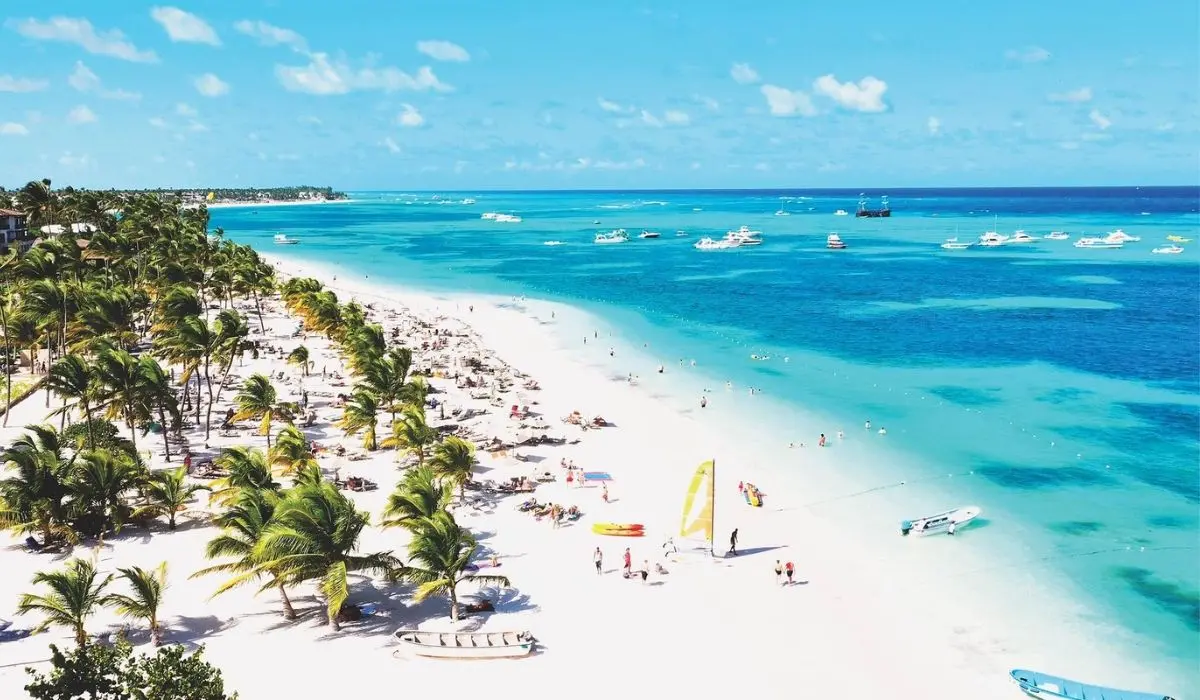
Guide for Canadians Buying Property in the Dominican Republic
Dreaming of a home in the Dominican Republic? Whether you’re picturing a beachfront villa near Punta Cana or a stylish condo in Santo Domingo, our guide for Canadian buyers explores everything you need to know to buy real estate in the Dominican Republic with confidence. From eligibility rules and legal steps, to proof of funds and the impact of the CAD to USD currency exchange for property purchases, we cover key checkpoints that matter when Canadians buying property abroad. You’ll also learn how to manage international transfers, avoid hidden fees, and find the best places to buy property in the Dominican Republic.
Looking to buy property in the Dominican Republic as a Canadian? Learn more about the process, including where to start, how to pay for it, and how to get the best value on your overseas money transfer.
If you want to buy property abroad, the Dominican Republic might pique your interest as the second largest and most geographically diverse West Indies country. According to one study, the Dominican Republic is the most popular Caribbean nation, with its stunning tourist attractions, friendly people, and colourful environment.
Hearing all the good things might prompt you to buy property in the Dominican Republic. This article explains the buying process for Canadians, including the importance of a deed of sale, and how to get better value from your hard-earned money when paying for your property. It will also help you find the best place to buy property in the Dominican Republic. This guide will help you understand how to transfer money safely and efficiently to buy property, ensuring you get the best exchange rates and avoid unnecessary fees.
Why buy property in the Dominican Republic as a Canadian?
The Dominican Republic occupies the more significant portion of the Caribbean Island of Hispaniola, which it shares with Haiti. There are many incentives for Canadians buying property in the Dominican Republic, including:
- Flexible real estate market: You can find something to suit your budget, whether you’re looking to spend $70,000, $10 million, or somewhere in between. Options include single-family homes, condos, villas, and gated communities with low property taxes.
- High-income potential: The Dominican Republic is the star attraction in the Caribbean, and owning rental property could mean a higher occupancy rate and ROI.
- Beautiful environment: The Dominican Republic is a dynamic place with high mountains, green valleys, breathtaking beaches, world-class resorts, and diverse parks.
- Outdoor activities: If you’re planning to join the Canadian expat community, you can enjoy various outdoor activities such as golfing, hiking, caving, mountain biking, river rafting, surfing, excellent whale watching, wind sports, diving, and snorkelling.
- Easy accessibility: The government is foreign investment friendly, and there are no restrictions on buying property in the Dominican Republic. In addition, the international airports are close with convenient connecting flights to Canada.
There are plenty of other reasons to tap into the real estate market in the Dominican Republic. You can enjoy the inclusive culture, the tropical climate, and one of the fastest-growing economies, whether you’re a small-time investor or interested in a multi-million-dollar project. For Canadians looking to buy overseas property, the Dominican Republic offers an excellent combination of affordability, investment potential, and vibrant lifestyle.

Choosing the Perfect Location in the Dominican Republic
If you’re interested in buying a rental property or a vacation home in the Dominican Republic, it’s essential to understand the importance of a deed of sale, and here are some of the best places to buy Dominican Republic real estate for Canadians. This beautiful and diverse country could be a suitable investment, whether hosting long-term rentals or enjoying your getaway. And as a Canadian buyer, it’s crucial to consider how you’ll convert CAD to USD efficiently, since most property transactions in the Dominican Republic are conducted in US dollars.
Punta Cana
Punta Cana is one of the most famous destinations in the Dominican Republic, known for its pristine beaches, luxury resorts, and vibrant tourism industry. The area offers many property options, from beachfront condos to upscale villas. It is an ideal location for those seeking a tropical lifestyle or investment property with high rental potential.
Cabarete
Cabarete is a paradise for water sports enthusiasts, renowned for its excellent windsurfing and kitesurfing conditions. This laid-back beach town offers affordable, luxury real estate, including beachfront condos and villas. It’s perfect for investing in a vibrant, active community with a strong expat presence.
Santiago
Santiago, the second-largest city in the Dominican Republic, is the cultural and economic hub of the Cibao Valley. The city offers a mix of modern amenities and a rich history, with real estate options ranging from urban apartments to suburban homes. It’s an excellent choice for those seeking city living with a more local feel, away from the tourist-heavy coastal areas.
Santo Domingo
The capital and largest city, Santo Domingo, is the country's political, cultural, and economic center. It offers diverse real estate options, from colonial homes in the historic Zona Colonial to modern condos and luxury apartments. Santo Domingo is ideal for those who want to be at the heart of Dominican life, with easy access to everything from nightlife to business opportunities.
Puerto Plata
Located on the northern coast, Puerto Plata is known for its beautiful beaches and historic sites, including the famous Amber Museum. The area offers a range of properties, from beachfront homes to mountain-view estates, at more affordable prices than other coastal areas. It’s an excellent location for those looking to blend beach life and cultural experiences.
La Romana
La Romana is home to some of the most luxurious resorts and residential communities in the Dominican Republic, including the famous Casa de Campo. The area offers high-end villas, golf course properties, and beachfront estates. It’s an ideal spot for those seeking a luxury lifestyle with access to world-class amenities like golf courses, marinas, and fine dining.
Navigating the Purchasing Process: Step-by-Step
Step 1 - Start researching
The ultimate goal is to make an informed decision because the stakes are high when purchasing property overseas, especially when finalizing your transaction with a deed of sale. Do your homework meticulously and investigate the Dominican Republic with a fine-tooth comb so you can confidently pay for your property when the time comes. Be sure to factor in how you’ll send money from Canada and keep an eye on fluctuations in exchange rates, as these can significantly impact your total purchase cost.
Step 2 - Explore your options
Take your research skills up a notch with a field trip to the Dominican Republic and familiarize yourself extensively with the place before buying. Explore other locations and options until you bag a big-ticket investment.
Step 3 - Find financing
The simplest way to purchase Dominican Republic property would be to pay cash for it, but if your savings don’t add up, you can explore options like:
- Financing from a bank in the Dominican Republic, preferably a multinational one that offers cross-border mortgages to Canadian citizens (Scotiabank comes to mind)
- HELOC or cash refinance your mortgage
- Private financing from the seller
Step 4 - Enlist the services of a broker and lawyer
The best way to buy real estate in the Dominican Republic is by working with a trusted and experienced broker. Depending on your taste and budget, they can discover the best opportunities and have the best-updated portfolios and insights.
Using a lawyer with your best interests at heart is also a good idea. Your lawyer will conduct due diligence, such as obtaining essential documents from the seller, including a promise of sale, contract of sale, or purchase agreement.
Step 5 - Begin your property ownership journey
Buying a property in the Dominican Republic is a long-term commitment, and once the property is in your name, you have to work out other issues, such as rental management. You also have the option to set up an existing home or build a new one. Keep in mind that ongoing expenses, like property maintenance or renovations, may require additional funds to be sent from Canada, so monitoring fluctuations in exchange rates will remain important even after your initial purchase.
Why does the USD/CAD exchange rate matter?
The official currency of the Dominican Republic is the peso. However, the US dollar is the most convenient currency for purchasing property in the country. You get more out of your transfer when you find a better exchange rate.
Otherwise, a lower exchange rate means losing a significant chunk of your money and paying more for your property than you have to. An inferior exchange rate also leads to continuous losses should you transfer smaller, regular payments to cover maintenance costs, utilities, and other long-term costs.
Finding the most cost-effective way to send money from Canada to the Dominican Republic is crucial, which is why the USD/CAD exchange rate matters. Use the MTFX live FX forecast and rate alert tool to check the exchange rate trends before transferring money. Also, check the currency converter below to understand how much it will cost you to transfer money to the Dominican Republic.
Where to find the best exchange rates?
Banks and other traditional financial institutions can facilitate overseas transfers, but they’re not the best option because they offer less-than-competitive exchange rates and high transfer fees. They’re also not a good option if you want to send money to the Dominican Republic quickly since turnaround times can be longer than five days.
The most optimal method is to use a currency specialist like MTFX, which offers competitive exchange rates (3%-5% lower than banks) and low transfer fees. Dominican real estate prices typically range from $400,000 to $600,000, meaning you can save as much as $20,000 to $30,000 when you send money via a specialist.
Paying online without going to the bank
Another benefit of using a currency specialist for overseas property payments is the convenience of transacting online. When you open your MTFX account, you can skip the bank and initiate a transfer from anywhere, 24/7. MTFX’s secure online platform has automated technologies that allow you to set up regular payments without stepping into a bank branch or waiting for banking hours.
Invest more in property with MTFX exchange rates
With a specialist foreign exchange service, you can access competitive exchange rates, low transfer fees, and convenient online payment solutions. You can also customize your international payments experience using a wide range of FX tools and personalized guidance from experts.
Register your account with MTFX today to make the most of your property purchase in the Dominican Republic.
FAQs
1. Can Canadians buy property in the Dominican Republic?
Yes. Canadians can legally buy property in the Dominican Republic with no special permissions required. The market is open to foreign buyers, making buying property in the Dominican Republic straightforward and accessible. Canadians regularly purchase homes for retirement, seasonal living, or investment. The process typically involves a local lawyer, due diligence, a deed of sale, and a purchase agreement, with finalisation handled through a Dominican notary. Many buyers also hire bilingual agents to navigate documents and negotiations more effectively.
2. Are there any restrictions for foreigners buying real estate in the Dominican Republic?
There are no major restrictions on foreigners purchasing Dominican Republic real estate for sale, and ownership rights are fully protected. Non-residents follow the same legal process as locals, which includes due diligence, property title checks, and registration. The government encourages foreign investment and offers a transparent registration system. Buyers should still work with reputable agents and legal professionals to ensure all paperwork is in order and that the property has a clean, marketable title.
3. How much is the property transfer tax in the Dominican Republic?
The property transfer tax is generally 3 percent of the government-assessed value. This cost applies to transactions involving houses for sale in the Dominican Republic or any other residential property. Some exemptions apply for first-time local buyers, but foreign purchasers must typically pay the full amount during registration. Buyers should also budget for minor administrative fees, legal costs, and document certification. Understanding tax calculations early helps minimise surprises when planning your real estate budget.
4. Do I need a Dominican bank account to buy property there?
You don't need a Dominican bank account to purchase condos for sale in the Dominican Republic, but having one can simplify payments, utility setup, and long-term management. Many foreign buyers choose to open an account for easier fund transfers and lower transaction fees. Your lawyer or agent can assist with required documentation. Without a local account, you can still complete the transaction by wiring funds directly to the notary’s escrow account from Canada.
5. How can I complete a property purchase remotely from Canada?
Remote purchases are common, especially for buyers exploring villas for sale in the Dominican Republic. You can complete the process from Canada by granting power of attorney to your lawyer, allowing them to sign documents on your behalf. Virtual tours, digital contracts, scans, and courier services make the transaction smooth. Funds are usually transferred via secure international payment platforms, and your legal representative ensures due diligence, inspections, and title checks are completed before closing.
6. Are there tax incentives for foreign property buyers in the Dominican Republic?
Yes, there are incentives under different program, especially for investors purchasing apartments for sale in the Dominican Republic or tourist-designated developments. Benefits may include exemptions on property taxes, transfer taxes, or capital gains taxes for qualifying properties. These incentives aim to attract foreign investment and encourage new construction. Buyers should confirm eligibility with their lawyer or developer, as benefits vary by project and location, and documentation must be filed before closing.
7. Does owning property in the Dominican Republic provide residency or citizenship?
Owning property alone does not grant residency or citizenship. However, investors in areas known as some of the best places to buy property in the Dominican Republic can apply for residency through investor programs. These require minimum investment levels and supporting documents. Residency offers long-term benefits, including easier banking access and extended stays. Citizenship requires additional steps, including residency duration and background checks, and is not automatically tied to real estate purchases.
8. What regions are most popular for Canadian buyers?
Canadian buyers often search for property for sale in Punta Cana in Dominican Republic due to beaches, tourism growth, and strong rental demand. Punta Cana, Las Terrenas, Sosúa, and Cabarete remain top lifestyle choices, while Santo Domingo appeals to business-focused investors. Each region offers different pricing, investment potential, and community amenities. Working with a local agent can help identify neighbourhoods that match your lifestyle or income goals, especially if you plan to rent your property seasonally.
9. How does currency affect the purchase process for Canadians?
The CAD to USD currency exchange for property purchases directly affects your budget since most Dominican real estate is priced in USD. A favourable exchange rate can significantly reduce the total cost. Many buyers use specialist FX services to manage timing and reduce conversion fees. Tools like rate alerts, scheduled conversions, or forward contracts help minimise risk and protect your budget from sudden rate swings during the property-buying timeline.
10. Is the Dominican Republic good for real estate investors?
Yes. Tourism growth continues to boost demand for investment property in the Dominican Republic, especially in coastal destinations. High occupancy rates, affordable entry prices, and strong appreciation potential attract Canadian investors seeking rental income or long-term value growth. The country also offers favourable tax conditions, a stable property registration system, and ongoing infrastructure development. With proper due diligence, the Dominican Republic can offer strong returns relative to other Caribbean markets.
11. Are condos popular with international buyers?
Yes, many buyers search for condos in the Dominican Republic because they are affordable, low maintenance, and ideal for rental income. Condos often come with amenities such as pools, security, and on-site management, making them appealing for seasonal living or investment. Popular markets include Punta Cana, Cap Cana, Bávaro, and Las Terrenas. Condos are also easier to manage remotely compared with standalone homes, which is a major advantage for Canadians living abroad.
12. Is Santo Domingo real estate a good option?
Santo Domingo real estate appeals to buyers seeking urban living, business opportunities, or long-term rentals. The capital offers modern infrastructure, new developments, universities, and commercial hubs. Property values remain competitive compared with major North American cities, and rental demand is steady year-round. Investors looking for appreciation, professional tenants, or mixed-use developments often prefer Santo Domingo over pure vacation areas. It's an ideal location for buyers seeking strong fundamentals rather than beachfront living.
13. How does the buying process work for non-residents?
The DR property purchase process for non-residents is straightforward. Buyers sign a deed of sale, place a deposit, complete due diligence, and finalise the transaction before a notary. Title registration is done at the local land registry. Foreigners have the same ownership rights as locals. Working with a reputable lawyer ensures the property has a clean title, no liens, and correct boundaries. Most steps can also be completed remotely if you're abroad.
14. Can I secure my currency rate during the purchase?
Yes. Many Canadians prefer locking in the currency rate for property payments to avoid fluctuations while waiting for closing. Tools such as forward contracts, scheduled transfers, and rate alerts help protect your budget. Since property transactions often span weeks or months, securing your rate early prevents surprises and keeps your final purchase cost predictable. Using an FX specialist instead of a bank often provides better pricing and support for large transfers.
15. What is a Promise of Sale in the Dominican Republic?
A promise of sale is a preliminary contract that outlines all the terms of your property purchase before the final deed is signed. For Canadian buyers, it’s essential because it protects your deposit, locks in the purchase price, and ensures the seller cannot back out. The promise of sale also specifies payment schedules, deposit terms, and deadlines, making it easier to plan your international transfers and secure favourable rates.
16. What are the legal requirements for buyers?
Canadian buyers must conduct thorough due diligence, verifying a clean property title and compliance with zoning laws. Engaging a local legal expert is essential to review contracts, address taxes, and secure permits. Legal guidance is crucial for understanding residency or investor benefits and ensuring a secure, compliant transaction.
17. Is it recommended to use a local real estate agent?
Local agents offer vital market insight, uncover hidden opportunities, and streamline the buying process. Their expertise ensures your investment aligns with your goals and navigates cultural and legal nuances effectively.
18. How to navigate property ownership laws?
Understand Dominican property laws, secure a clean title, and comply with regulations. A local lawyer is essential for contract review, tax guidance, and clarifying residency or investment benefits, ensuring a smooth, secure property purchase.
Register your account with MTFX today to make the most of your property purchase in the Dominican Republic.