Guide for Canadians Buying Property in Italy
Canadians can buy property in Italy, but the process is different from buying in Canada. This guide explains the legal steps, Italy-specific documents, regional property choices, taxes, due diligence, currency planning, and how to transfer money from Canada to Italy securely.
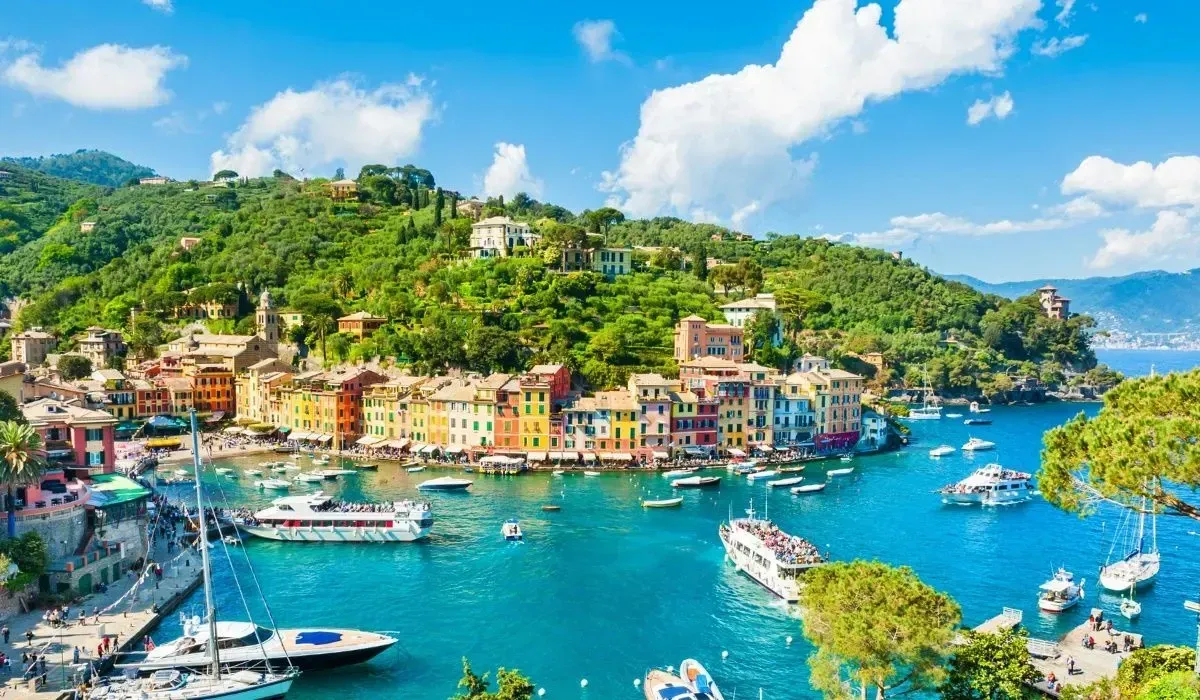
Canadians can buy property in Italy, but the process requires careful planning around Italian legal steps, property checks, taxes, and CAD to EUR payments. Whether you are buying a vacation home, retirement property, rental investment, or long-term family base, the purchase usually involves local contracts, a notary, technical documents, and payment deadlines in euros.
The buying process can feel exciting, but it should not be rushed. A beautiful home in Tuscany, Rome, Puglia, Sicily, or Lake Como may come with different rules, costs, maintenance needs, and due diligence requirements. For Canadian buyers, one of the biggest financial details is the exchange rate, because your final cost can change between the offer, deposit, preliminary contract, and final deed.
Before you get serious about a property, checking the CAD to EUR exchange rate can help you understand what the euro price means in Canadian dollars. MTFX helps Canadians make secure international money transfers for overseas property purchases. With competitive exchange rates, large transfer support, currency tools, rate alerts, and specialist guidance, MTFX can help you plan your CAD to EUR transfer before your Italian property payment is due.
If your purchase involves a large deposit or final balance, it also helps to understand how overseas property transfers work before the notary deadline arrives.
Can Canadians buy property in Italy?
Yes, Canadians can buy property in Italy. Italy generally allows foreign buyers, including Canadians, to purchase homes, vacation properties, and investment real estate.
You do not usually need to live in Italy to buy a home there. However, residency can affect tax treatment, first-home benefits, long stays, healthcare access, and future rental or inheritance planning. Italy applies reciprocity rules to certain rights for foreign nationals, so Canadian buyers should confirm their eligibility with an Italian notary or lawyer before signing a purchase agreement.
For Canadians, the main question is not just whether buying is allowed. It is whether the property, paperwork, taxes, and euro payments are planned properly before signing. If your payment will be sent from Canada to an Italian recipient, it is worth reviewing how to send money to Italy from Canada before you reach the deposit stage.
What makes buying in Italy different?
For official tax and identity requirements, Canadian buyers should review the Italian Revenue Agency’s guidance on tax identification numbers for foreign citizens and speak with qualified local professionals before signing.
| Field | Value |
|---|---|
165,000 | |
Bank Exchange Rate 1.6131 / 0.6199 | |
Total cost 266,168.13CAD |
| Field | Value |
|---|---|
165,000 | |
MTFX Exchange Rate 1.5815 / 0.6323 | |
Total cost 260,949.15CAD |
You Save
CAD 5,218.98
with MTFX
19 October 2026
We use mid-market rates. This is for informational purposes only. Log in to view send rates.
How does buying property in Italy work for Canadians?
Buying property in Italy works through a series of legal, technical, and payment steps. For Canadians, the process is easier when the property search, due diligence, deposit, final deed, and money transfer are planned together.
Step 1: Set your budget in both CAD and EUR
Start with the property price, then add taxes, notary fees, agency fees, legal support, translation, inspections, and currency transfer costs. A home listed at €300,000 will cost more once purchase costs and exchange rates are included.
Canadian buyers should set a budget in euros first, then calculate what that means in Canadian dollars. Before you view properties, compare the CAD to EUR exchange rate against the amount you expect to send, then use a CAD to EUR rate calculator to estimate the Canadian dollar cost.



We use mid-market rates. This is for informational purposes only. Log in to view send rates.
Transfer funds to Italy safely for your new property.
Step 2: Choose the right Italian region and property type
Italy’s property market changes a lot by region. A Milan apartment, Tuscan farmhouse, Puglia trullo, Sicilian coastal home, and Lake Como villa all come with different costs, rules, and maintenance needs.
Think about how often you will visit, whether you plan to rent the property, and how easy it will be to manage from Canada. A lock-and-leave apartment may be easier to maintain than a rural home that needs local trades, garden care, or renovation work. To understand local price references, buyers can also review the Italian Revenue Agency’s Osservatorio del Mercato Immobiliare, which publishes real estate market data and property value information.
Step 3: Get your codice fiscale
A codice fiscale is an Italian tax code. Canadians usually need it for contracts, tax records, utilities, banking, and property paperwork.
It is better to arrange this early instead of waiting until you are ready to sign. Your lawyer, notary, agent, or Italian consular contact may be able to explain the process based on your situation. The Italian Revenue Agency’s page for foreign citizens requesting a tax identification number is a useful official starting point.
Step 4: Make an offer on the property
Once you find a property, you may submit a proposta d’acquisto, or purchase proposal. This can be more serious than a casual offer, so do not sign unless you understand the terms.
Make sure the offer includes clear conditions, timelines, deposit details, and any checks you need before becoming fully committed. Canadians should have legal advice before signing documents in Italian.
Step 5: Complete legal and technical checks
Before moving forward, the property should be checked carefully. This includes ownership, title, cadastral records, building permits, condominium debts, planning rules, and whether the floor plan matches the real layout.
A geometra can be especially useful in Italy because technical paperwork matters. A property can look perfect in person but still have cadastral or planning issues that affect the sale, renovation, mortgage, or resale.
Step 6: Sign the preliminary contract
The preliminary contract is often called the compromesso or contratto preliminare. It usually confirms the price, deposit, completion date, buyer obligations, and seller obligations.
This stage can involve a caparra confirmatoria, a deposit that may have financial consequences if the buyer or seller backs out. Canadians should be clear on what happens to the deposit before signing.
Step 7: Transfer money to Italy for the deposit or final payment
Once payment dates are confirmed, you will need to send funds from Canada to Italy in euros. This may include the deposit, notary-related payments, final balance, taxes, or renovation costs.
Before sending a large amount, compare your exchange rate, confirm recipient banking details, and leave time for compliance checks.
Step 8: Sign the final deed before the notary
The final deed is called the rogito. It is signed before the notary and completes the legal transfer of ownership.
At this stage, the notary confirms the transaction, collects or verifies required payments, and registers the sale. The Italian notarial system has a formal role in property conveyancing, so buyers may also want to review information from the Consiglio Nazionale del Notariato when learning about notaries in Italy.
Step 9: Set up ongoing payments and local support
After completion, you may need to pay utilities, waste tax, local property taxes, condominium fees, insurance, maintenance, or property management invoices.
If you live in Canada most of the year, think about how you will handle smaller recurring euro payments as well as larger one-off transfers. A general overview of personal international payment solutions can help you plan ongoing payments after the purchase is complete.
What Italy-specific documents should Canadians understand?
Canadians should understand more than the purchase contract. In Italy, technical and cadastral paperwork can affect whether the property is legally clean, mortgageable, rentable, or easy to resell.
A beautiful apartment or countryside home can still create problems if the floor plan, permits, or ownership history do not match official records.
Key Italian property documents
The Italian Revenue Agency provides official information on cadastral and land registry services, which can help buyers understand why property records matter before completion.
Why this matters for Canadians
If you live in Canada, fixing paperwork after the purchase can be difficult, slow, and expensive. Ask your lawyer, notary, or geometra to confirm that the property’s legal records, physical layout, and seller documents are consistent before you commit.
This is especially important for older homes, rural properties, inherited homes, renovated apartments, and land purchases. Before you move from offer to payment, a practical offer-to-closing checklist for buying property abroad can help you organize the documents, deadlines, and transfer steps.
Where are the best places in Italy for Canadians to buy property?
The best place to buy property in Italy depends on your lifestyle, budget, and reason for buying. A Canadian looking for a retirement home may prefer a quiet region with lower costs, while a buyer focused on rental demand may look at larger cities or well-known tourist areas.
Italy is not one single property market. Tuscany, Milan, Rome, Lake Como, Puglia, Sicily, Abruzzo, and Umbria each offer a different mix of price, access, lifestyle, maintenance needs, and long-term appeal.
Best for classic Italian lifestyle: Tuscany
Tuscany is a strong choice for Canadians who want countryside views, historic towns, wine regions, and a slower pace of life. Areas around Florence, Siena, Lucca, Pisa, and Chianti are especially popular with international buyers who want a recognizable Italian lifestyle.
This region works well for vacation homes, retirement plans, and long-stay living, but it is not usually the cheapest option. Rural farmhouses can also need extra technical checks, renovation permits, and local maintenance support when you are managing the property from Canada.
Best for business and modern city living: Milan
Milan is best for Canadians who want a modern city with business access, strong transport links, international schools, restaurants, shopping, and urban convenience. It suits buyers who prefer an apartment over a countryside property.
This can be a practical option for work, long stays, student use, or rental demand, but affordability can be a challenge. Milan is one of Italy’s more expensive markets, so buyers should compare the purchase price with ongoing building fees, taxes, and the CAD to EUR cost of the investment.
Best for history and long-term appeal: Rome
Rome is a good fit for Canadians who want culture, history, tourism appeal, and access to a major international city. Its neighbourhoods offer a mix of historic apartments, local communities, restaurants, museums, universities, and transport connections.
The main advantage is long-term appeal, but the buying process can be more detailed in older buildings. Buyers should check condominium rules, heritage restrictions, renovation limits, and maintenance costs before choosing a property in Rome.
Best for luxury and scenery: Lake Como
Lake Como is best for higher-budget Canadian buyers who want lake views, privacy, scenery, and a premium second home. It is known for villas, elegant towns, mountain landscapes, and international buyer interest.
This area is more suited to lifestyle and luxury buyers than bargain hunters. Homes near the lake can be expensive, and villas may require ongoing care for gardens, pools, heating systems, and seasonal maintenance.
Best for coastal value and relaxed living: Puglia
Puglia is a strong option for Canadians who want sunshine, coastline, traditional towns, food culture, and better value than many northern or central regions. Places such as Ostuni, Lecce, Monopoli, Polignano a Mare, and the Itria Valley are popular with lifestyle buyers.
This region can work well for vacation homes, retirement planning, and slower living. Buyers should be careful with trulli, masserie, and older countryside homes because these properties may need specialist restoration, planning checks, and reliable local management.
Best for affordability and character: Sicily
Sicily can appeal to Canadians who want affordability, coastal towns, history, island life, and larger properties at lower prices than many mainland areas. Palermo, Catania, Taormina, Siracusa, Cefalù, and smaller towns all offer different lifestyles.
Sicily is a good fit for buyers who want value and character, but due diligence is very important. Older homes, renovation projects, permits, local contractors, and property management should be checked carefully before you commit from Canada.
Best for quiet living and nature: Abruzzo
Abruzzo is a good choice for Canadians who want lower prices, mountain towns, national parks, quiet villages, and access to the Adriatic coast. It can suit retirement buyers, remote workers, and people looking for more space.
The trade-off is convenience. Some areas may have fewer international connections, limited services, or seasonal conditions to consider, so buyers should check healthcare access, transport, winter weather, and local support before purchasing.
Best for countryside without Tuscany prices: Umbria
Umbria is ideal for Canadians who like Tuscany’s countryside appeal but want a quieter and often less crowded setting. It offers medieval towns, green landscapes, local food, wine, and a slower rhythm of life.
Places such as Perugia, Assisi, Spoleto, Orvieto, and smaller hill towns can work well for retirement, extended stays, or a peaceful second home. Buyers should check airport access, rental demand, and maintenance needs, especially in smaller villages.
What Italian property types should Canadians compare?
Italy has many property types that Canadians may not see in the same way at home. The property type affects maintenance, taxes, renovation risk, resale demand, and lifestyle.
Common Italian property types
For Canadian buyers, the most important question is not just “Is it beautiful?” It is “Can I maintain it from Canada?”
A lock-and-leave apartment in Rome or Milan may be easier to manage than a countryside farmhouse. A villa in Tuscany may offer more privacy, but it may also need gardeners, pool care, heating checks, and local support. A trullo in Puglia may look charming, but restoration can require specialist knowledge.
How do CAD to EUR exchange rates affect an Italian property purchase?
CAD to EUR exchange rates can change the final Canadian dollar cost of your Italian property. This matters because most Canadian buyers hold funds in Canadian dollars, while Italian sellers, notaries, agents, and contractors usually need euros.
Even a small rate change can affect your budget. Before committing to payment dates, compare the CAD to EUR exchange rate against the amount you need to send and check the current Canadian dollar to euro conversion rate as you move closer to deposit or completion.
CAD to EUR example
That difference is C$9,000 before taxes, fees, notary costs, or renovations.
When to plan your transfer
- Before viewing properties: Set a realistic Canadian dollar budget before you fall in love with a property. This helps you understand what different euro price points mean in CAD.
- Before making an offer: Estimate the full euro cost, including taxes, agency fees, notary costs, and professional support. This gives you a clearer idea of how much you may need to convert from CAD to EUR.
- Before signing the compromesso: Prepare your deposit funds early. If the preliminary contract includes a payment deadline, you do not want your transfer delayed by missing documents or last-minute compliance checks.
- Before the rogito: Confirm the exact final euro balance, recipient details, and payment timing with your notary or lawyer. This is usually the largest transfer, so exchange-rate planning matters most at this stage.
- After completion: Plan how you will pay ongoing euro expenses such as utilities, IMU, TARI, condominium fees, insurance, maintenance, and property management from Canada.
If your completion date is still ahead, CAD to EUR rate alerts can help you monitor movement before you transfer. For quick estimates, the CAD to EUR rate calculator can show how much Canadian dollar funding you may need for a euro payment.
What is the best way to transfer money from Canada to Italy for property?
The best way to transfer money from Canada to Italy for a property purchase is to use a secure international payment provider that supports large CAD to EUR transfers, competitive exchange rates, and clear payment tracking.
Banks may be convenient, but exchange-rate markups can be expensive on large property payments. For an Italian home purchase, the rate often matters more than the visible wire fee, especially when the payment covers a deposit, notary balance, or completion amount.
Italy property payments you may need to send
If the payment is going to an Italian recipient, review the steps for sending money to Italy from Canada before the transfer deadline. For larger property payments, it is also worth understanding how overseas property transfers are handled differently from smaller personal payments.
If you are making a high-value payment, the large money transfers guide can help you prepare the documents, timing, and payment details usually needed for a major international transfer.
What risks should Canadians check before buying property in Italy?
The biggest risks include unclear title, cadastral mismatches, unapproved renovations, condominium debts, local planning restrictions, and exchange-rate movement.
Italy-specific technical checks are especially important because a property may look fine physically but still have paperwork issues.
Italy-specific due diligence checklist
How can MTFX help with an Italian property purchase?
MTFX helps Canadians send money to Italy securely when paying deposits, final balances, notary costs, renovation invoices, or ongoing property expenses.
For property buyers, the main benefit is planning. MTFX gives you access to competitive CAD to EUR exchange rates, international payment support, currency tools, and guidance for large transfers.
Why Canadian property buyers use MTFX:


Plan your Italian property purchase with confidence
Buying property in Italy is easier when you understand the local process before signing. Canadians should review the legal documents, confirm the property records, understand taxes, choose the right region, and plan CAD to EUR transfers before payment deadlines arrive.
The right currency strategy can make a meaningful difference. When you are paying a deposit, final balance, notary cost, renovation invoice, or ongoing property expense, exchange rates and transfer timing can affect your total Canadian dollar cost.
Ready to send money for your Italian property purchase? Create an account with MTFX to access competitive CAD to EUR exchange rates, secure international transfers, rate tools, and support for large property payments from Canada to Italy.
Note: This article is for general information only and should not be treated as legal, tax, immigration, or financial advice. Canadian buyers should consult qualified Italian legal, tax, and real estate professionals before purchasing property in Italy.
FAQs
1. Can a Canadian citizen buy a house in Italy?
Yes. Canadians can generally buy a house in Italy, but they must follow the Italian legal process and complete the required notary and registration steps. The key is to arrange the right documents, check the property carefully, and plan euro payments before deadlines.
2. What is a codice fiscale, and do Canadians need one?
A codice fiscale is an Italian tax code used for official transactions. Canadians usually need it for property contracts, tax registration, utilities, and other paperwork connected to buying or owning property in Italy.
3. What is the compromesso in an Italian property purchase?
The compromesso is the preliminary sale agreement. It usually confirms the price, deposit, completion date, and buyer and seller obligations, so Canadians should review it carefully before signing.
4. What is the rogito?
The rogito is the final deed signed before the Italian notary. This is the stage where ownership is officially transferred, the sale is registered, and the final payment is usually completed.
5. Do Canadians need an Italian bank account to buy property?
Not always. Some Canadians send funds directly from Canada to the required Italian recipient, while others open an Italian bank account for utilities, local taxes, and ongoing property expenses after purchase.
6. What is the best way to send money from Canada to Italy for a property purchase?
The best way is to use a secure international payment provider that supports large CAD to EUR transfers, competitive exchange rates, and clear payment tracking. For large property payments, the exchange rate can have a bigger impact than the transfer fee.
7. When should I transfer money for an Italian property purchase?
You should start planning before signing the preliminary contract, not just before the final deed. Deposit deadlines, notary timelines, compliance checks, and exchange-rate movement can all affect how smoothly the payment arrives.
8. Can exchange rates change the cost of buying property in Italy?
Yes. If you are paying for an Italian property from Canadian dollars, the CAD to EUR exchange rate can change the final cost significantly. A small movement in the rate can add thousands of Canadian dollars to a large property payment.
9. How can I avoid overpaying on CAD to EUR exchange rates?
Compare the exchange rate before sending, avoid relying only on your bank’s posted wire rate, and monitor the market if your payment date is still ahead. Tools such as a CAD to EUR rate calculator and CAD to EUR rate alerts can help you plan better.
10. Can I send money to Italy for renovation or ongoing property costs?
Yes. Canadians may need to send money to Italy after the purchase for renovations, utilities, property management, condominium fees, local taxes, or maintenance. Planning these recurring euro payments can make ownership easier when you live in Canada.