Buying Property in Germany as a Canadian: A Complete Guide
Canadians can legally buy property in Germany without residency, but taxes, legal fees and CAD to EUR exchange rates can significantly affect total costs. MTFX can help you get better rates than your bank and send money to Germany for property payments.
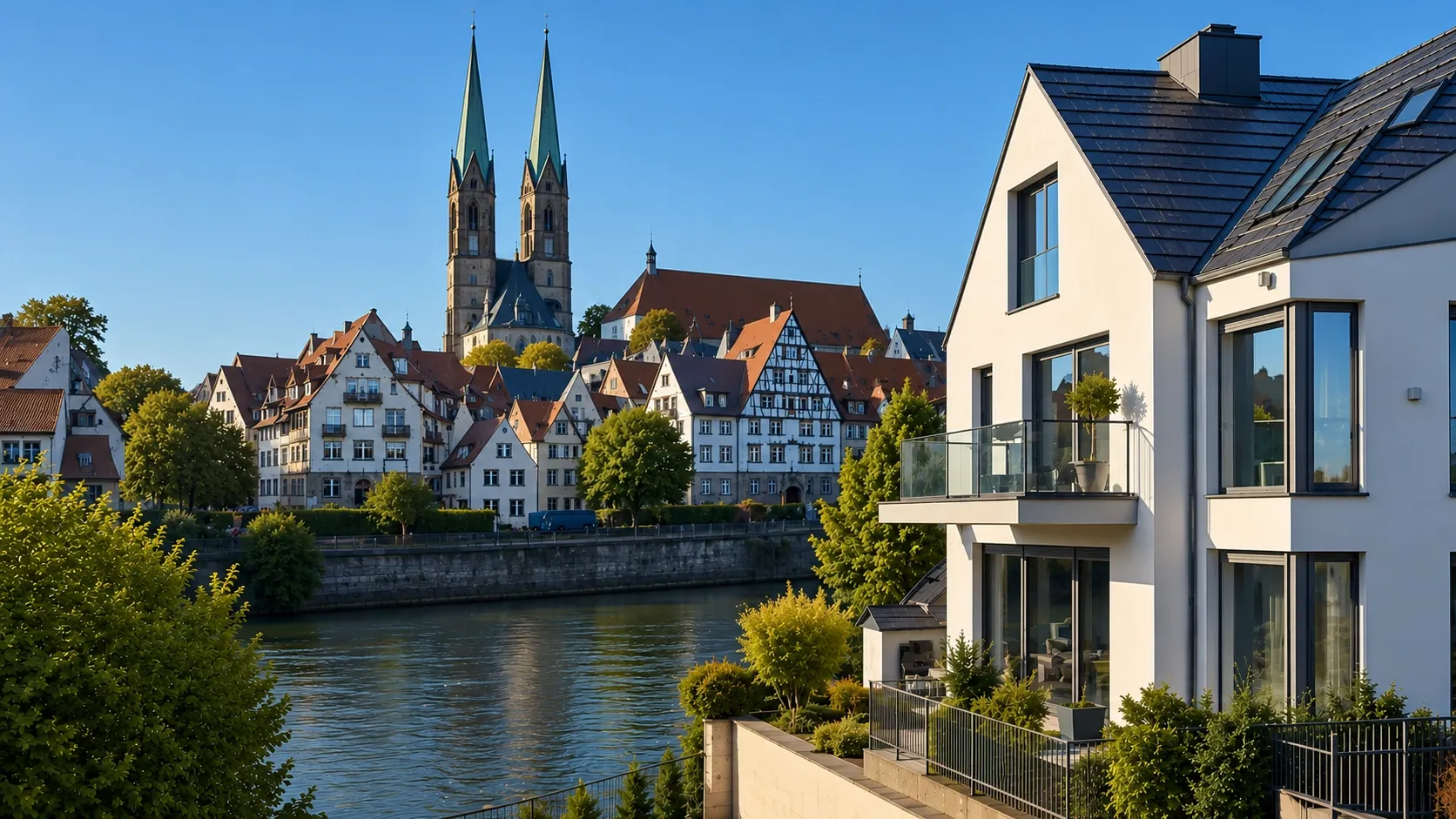
Canadians can legally buy property in Germany without residency or citizenship requirements. Whether you want to buy an apartment in Berlin, invest in German real estate in Munich, or buy a house in Hamburg or Frankfurt, Germany offers a transparent and regulated property market for foreign buyers.
The CAD to EUR exchange rate can significantly impact the final cost of a property purchase. Even small exchange rate fluctuations may increase the total amount Canadians pay when sending large transfers to Germany for deposits, closing costs, or taxes. Buyers can monitor live exchange rates through the Bank of Canada.
With 30 years of experience in global payments and foreign exchange, MTFX helps Canadians send money to Germany securely while accessing competitive CAD to EUR exchange rates and lower transfer costs.
Can Canadians buy property in Germany?
Yes. Canadians can legally buy property in Germany without residency or citizenship requirements. Foreign buyers can purchase apartments, homes, land, and investment properties in cities like Berlin, Munich, Frankfurt, and Hamburg.
However, buyers must still follow German property ownership laws, tax regulations, and financing requirements. The German Federal Foreign Office also outlines the legal framework for foreign property ownership in Germany.
Buying property in Germany as a Canadian is relatively straightforward compared to some other European countries. Foreign buyers can:
- Buy a house in Germany
- Buy an apartment in Germany
- Buy land in Germany
- Invest in German real estate for rental income or long-term growth
Most Canadians purchasing property in Germany will also need to consider:
- Property taxes in Germany
- Mortgage rates in Germany
- Legal and notary fees
- CAD to EUR exchange rate fluctuations
- International transfer costs when sending money to Germany
Germany’s regulated housing market and transparent legal framework continue to make owning property in Germany attractive for Canadians looking for stable cross-border property investment opportunities in Europe.
| Field | Value |
|---|---|
Average Purchase Price (EUR) 250,000 | |
Bank Exchange Rate 1.6254 | |
Total cost 406,342.5CAD |
| Field | Value |
|---|---|
Average Purchase Price (EUR) 250,000 | |
MTFX Exchange Rate 1.5975 | |
Total cost 399,370.94CAD |
You Save
CAD 6,971.56
with MTFX
12 October 2026
The savings estimate is based on MTFX internal comparisons of quoted CAD to EUR rates against selected Canadian bank wire-transfer rates. Actual savings vary by transfer amount, currency pair, and any sending, receiving, or intermediary bank fees.
How to buy property in Germany: Step-by-step
Buying property in Germany as a Canadian is a structured and legally regulated process. From planning your budget to transferring funds and registering ownership, understanding each step can help reduce delays, unexpected costs, and FX risk during your property purchase.
Step 1 – Set your budget and currency strategy
Before you buy a house in Germany or invest in German real estate, calculate your total budget in both Canadian dollars and euros. This should include the property price, taxes, notary fees, legal costs, and closing expenses.
The CAD to EUR exchange rate can significantly affect the final property cost. Even small currency fluctuations may increase the amount Canadians pay when transferring large sums to Germany for deposits or closing payments. Important costs to plan for:
- Property transfer taxes
- Notary and registration fees
- Legal expenses
- Currency conversion costs
- International transfer fees
Monitoring the best exchange rate of the Canadian dollar to the euro can also help reduce FX risk in real estate investment exposure during large cross-border transfers.
Step 2 – Search for properties in Germany
Canadians can buy apartments, homes, and land across Germany through local real estate agents, developers, and online property portals. Popular locations include Berlin, Munich, Frankfurt, and Hamburg. When reviewing properties to buy in Germany, always verify:
- Ownership records
- Existing mortgages or debts
- Building permits
- Rental restrictions
- Property condition reports
Many Canadians looking to buy an apartment in Germany focus on urban areas with strong rental demand, while others prefer smaller cities where they can buy a house in Germany for less compared to major European capitals.
Step 3 – Hire a German notary and legal advisor
Germany legally requires a notary to complete all property transactions. The notary prepares the purchase agreement, verifies identities, and registers ownership through the German land registry. A legal advisor can also help Canadians understand:
- Property ownership laws in Germany
- Tax obligations
- Due diligence requirements
- Contract terms and liabilities
Title verification is especially important when owning property in Germany as a foreign buyer, since it confirms the seller has the legal right to transfer ownership.
Step 4 – Open a German bank account and arrange financing
Many Canadian buyers open a German bank account to simplify mortgage payments, utility bills, taxes, and property-related expenses. Some banks in Germany also offer financing options for non-residents. Foreign buyer lending requirements may include:
- Proof of income
- Credit history
- Tax returns
- Larger down payments
- Proof of international assets
Mortgage rates in Germany can vary depending on the lender, loan term, and buyer profile. Canadians should also compare financing costs and review the latest requirements to buy property in Germany before applying.
Step 5 – Sign the purchase agreement
Once financing and legal checks are complete, both parties sign the official purchase agreement before a German notary. The contract becomes legally binding after notarization. At this stage, buyers usually:
- Pay the property deposit
- Confirm financing arrangements
- Review registration documents
- Finalize closing timelines
The notary then begins the registration process through Germany’s official land registry system.
Step 6 – Transfer funds and complete registration
The final step involves sending money to Germany, paying taxes and fees, and officially registering ownership. International payment timing is important because exchange rate movements can affect the total purchase cost before closing day. Before transferring funds, Canadians should review:
- CAD to EUR exchange rate trends
- FX conversion fees
- Transfer limits and timelines
- Proof-of-funds requirements
Using a specialist for large international transfers may help reduce costs compared to traditional bank wires during cross-border property investment transactions in Europe. You can use a EUR to CAD currency converter to find out the mid-market rate and ensure you are not overpaying.
Why are Canadians investing in German real estate?
Germany continues to attract Canadians looking for stable long-term property investments in Europe. Many buyers view German real estate as a lower-volatility option for rental income, portfolio diversification, and cross-border property investment in Europe.
Stable economy and housing demand
- Germany has one of Europe’s largest and most stable economies
- Major cities continue to experience strong housing demand
- Berlin, Munich, Frankfurt, and Hamburg attract international workers and students
- Limited housing supply supports long-term property values
- Rental demand remains strong in urban centres
Strong tenant protections and regulated markets
- Germany has transparent and regulated property ownership laws
- All real estate transactions require notary involvement
- Buyers benefit from structured legal protections
- Regulated rental markets help reduce speculative volatility
- Clear registration systems improve ownership security
Requirements to buy property in Germany
Canadians do not need citizenship or permanent residency to buy property in Germany. However, buyers must still meet legal, financial, and identification requirements during the buying a house/property in Germany process.
Do Canadians need residency?
- Canadians can legally buy property in Germany as non-residents
- Foreign buyers can purchase apartments, homes, and land
- Residency is not required for ownership
- Buyers must still comply with German tax and property laws
- Some banks may apply stricter mortgage requirements for non-residents
Germany’s property ownership framework for foreigners is outlined through official government guidance.
Documents required
Most Canadians buying property in Germany will need the following documents during the purchase process:
- Passport
- Proof of address
- Tax documents
- Bank statements
- Purchase agreement
Additional documents may also be requested depending on the lender, property type, or source of funds.
Income and proof-of-funds checks
German banks, notaries, and financial institutions usually require proof that buyers can legally fund the transaction. This may include:
- Employment verification
- Income statements
- Canadian tax returns
- Savings or investment records
- Source-of-funds documentation for large transfers
Proof-of-funds checks are especially important when sending large international payments from Canada to Germany for a property purchase.
Can foreigners get a mortgage in Germany?
Yes. Foreigners can get a mortgage in Germany, although lending conditions may differ for non-residents. Canadian buyers may need:
- A larger down payment
- Strong credit history
- Stable income
- Additional financial documentation
- A German bank account, in some cases
Mortgage rates in Germany can vary depending on the lender, loan term, and buyer profile. Buyers should compare financing options carefully before purchasing property in Germany.
Best places to buy property in Germany
The best places to buy property in Germany depend on your budget, investment goals, and lifestyle preferences. Some cities offer stronger rental demand and long-term growth, while others provide more affordable entry prices and lower competition.
Buy property in Berlin
Berlin remains one of the most popular cities for Canadians looking to buy property in Germany. The city’s startup ecosystem, international workforce, and large student population continue to support strong rental demand.
Many buyers choose to buy an apartment in Berlin because condos are more common in central districts than detached homes. However, Berlin property prices have increased significantly over the past decade, and competition for quality properties remains high.
Buy property in Munich
Munich is known for its strong economy, high salaries, and premium real estate market. Canadians looking to buy a house in Munich, Germany, often target the city for long-term capital appreciation and luxury housing demand.
The downside is affordability. Munich remains one of Germany’s most expensive property markets, making it less accessible for buyers looking for cheaper investment opportunities.
Buy property in Frankfurt
Frankfurt is Germany’s financial hub and continues to attract international businesses, bankers, and expats. Canadians looking to buy property in Frankfurt often focus on investment condos and centrally located apartments.
The city offers strong rental demand, but inventory can be limited in prime areas. Property prices are generally lower than in Munich but higher than in many secondary German cities.
Buy property in Hamburg
Hamburg combines waterfront living with one of Germany’s strongest logistics and trade economies. Canadians looking to buy a house in Hamburg often prefer the city for its lifestyle, stable economy, and long-term growth potential.
Property prices are still relatively high, especially near the harbour and central districts. However, Hamburg is generally viewed as a more stable and less speculative market than some other European cities.
Buy property in Düsseldorf
Düsseldorf attracts professionals working in finance, fashion, and international business. The city is popular with expats and offers a balanced mix of apartments, commercial property, and family housing.
Compared to Munich or Frankfurt, Düsseldorf can provide slightly more affordable pricing while still maintaining strong rental demand and economic stability.
Buy property in Leipzig
Leipzig has become increasingly attractive for buyers looking to buy a house in Germany, compared to larger cities. The city has experienced strong population growth and rising investment interest in recent years.
Property prices remain more affordable than Berlin or Munich, but buyers should still carefully assess neighbourhood quality and long-term growth potential before investing.
Where can Canadians buy property in Germany cheaply?
Canadians looking to buy a house in Germany cheap often explore smaller cities and eastern Germany, where property prices are lower than in Berlin, Munich, or Frankfurt. These markets can offer better affordability and higher rental yield potential.
Affordable cities in Germany
- Leipzig
- Dresden
- Chemnitz
- Magdeburg
- Halle
- Erfurt
These cities generally have lower entry prices and growing local housing demand.
Eastern Germany opportunities
Eastern Germany remains attractive because of:
- Lower property prices
- Higher rental yield potential
- More available inventory
- Lower investor competition
However, long-term growth can vary by region.
Rural investment markets
Rural areas may offer some of the cheapest properties to buy in Germany, including homes, land, and renovation projects. Potential risks include:
- Slower property appreciation
- Lower rental demand
- Limited infrastructure
- Higher renovation costs
Cost of buying a property in Germany from Canada
The cost of buying property in Germany from Canada includes more than just the purchase price. Canadians should also budget for property transfer taxes, notary fees, land registration costs, agent commissions, and CAD to EUR exchange rate fluctuations.
In most cases, total closing costs in Germany range from roughly 8% to 15% of the property price, depending on the city, federal state, and whether an agent is involved.
Property transfer tax in Germany
Property transfer tax rates vary by German federal state. Bavaria remains one of the lowest at 3.5%, while states such as Brandenburg, Saarland, and North Rhine-Westphalia can charge up to 6.5%.
Notary and registration fees
Germany legally requires a notary for all real estate transactions. Notary and land registry fees usually total around 1.5% to 2% of the property price.
Real estate agent fees
Since Germany’s commission reforms, buyers often pay up to half of the total agent commission for residential properties. In many regions, the buyer portion is commonly around 2.98% to 3.57% including VAT.
Mortgage and financing costs
Foreign buyers applying for mortgages in Germany may also pay:
- Bank processing fees
- Property valuation fees
- Mortgage registration costs
- Larger down payment requirements
Mortgage rates in Germany vary depending on the lender, loan term, residency status, and buyer profile.
Currency exchange and transfer costs
The CAD to EUR exchange rate can significantly affect the total cost of buying a property in Germany from Canada. Even a small exchange rate movement can increase the final purchase amount when transferring large sums overseas. Canadians should also account for:
- FX conversion markups
- International wire fees
- Transfer timing delays
- Currency volatility before closing day
Using a specialist for large transfers may help reduce the overall cost of sending money to Germany for a property purchase.
How to send money to Germany for a property purchase
Sending large amounts to Germany for a property purchase requires more planning than a standard international transfer. Canadians should compare exchange rates, transfer fees, and timing carefully because even small CAD to EUR exchange rate movements can significantly affect the final property cost.
Why exchange rates matter in large property transfers
The CAD to EUR exchange rate directly affects how many euros your Canadian dollars convert into when buying property in Germany. For example:
- A small exchange rate difference on a large transfer can add thousands of dollars in extra costs
- Currency volatility may impact deposits, closing payments, and tax obligations
- Poor transfer timing can increase the total purchase price unexpectedly
Example: If a German property deposit is €50,000 and the CAD/EUR exchange rate is 1.61, the approximate Canadian-dollar cost before fees is CAD 80,500. If the rate moves to 1.65 before closing, the same €50,000 payment would cost CAD 82,500 before fees. That 0.04 rate movement adds about CAD 2,000 to the purchase cost.
Canadians sending money to Germany for real estate should monitor live exchange rates before locking in a transfer.
Bank wire fees vs FX specialist
Traditional bank wires often include exchange rate markups and transfer fees that increase the overall cost of international property payments.
Using a provider focused on international payments may help Canadians access the best exchange rate for the Canadian dollar to the euro during large property transfers.
How Canadians can reduce CAD to EUR transfer costs
Canadians buying property in Germany can reduce transfer costs by:
- Monitoring the CAD to EUR exchange rate regularly
- Avoiding last-minute transfers during market volatility
- Comparing total transfer costs instead of just wire fees
- Planning transfers in stages for large property purchases
- Reviewing FX margins before sending funds
It is also important to account for:
- Property tax deadlines
- Notary payment schedules
- Deposit due dates
- International transfer processing times
Timing your transfer during CAD to EUR volatility
Currency markets can move quickly during interest rate decisions, inflation releases, and major global economic events. These fluctuations can affect the total cost of buying a property in Germany from Canada. Many buyers monitor:
- Bank of Canada announcements
- European Central Bank policy decisions
- Inflation data
- EUR exchange rate today trends
MTFX provides tools that help Canadians track market movements and manage international property payments more efficiently:
- Live exchange rates
- Currency charts
- Rate alerts
- Send money to Europe
- International payments solution.
Setting up a EUR/CAD rate alert can help you time your transactions for greater savings.
Can Canadians get a mortgage in Germany?
Yes. Canadians can get a mortgage in Germany as foreign buyers, although approval requirements are usually stricter for non-residents. German banks often require proof of income, strong credit history, stable employment, and larger down payments compared to local buyers.
Fixed-rate mortgages are more common in Germany, while variable-rate loans are generally less popular due to Germany’s conservative lending culture. Mortgage rates in Germany vary depending on the lender, loan term, property type, and residency status.
Foreign buyers may need deposits of 20% to 40%, and financing is often easier for Canadians with German residency, local income, or an existing German bank account. Understanding these requirements to buy property in Germany can help Canadians prepare for the mortgage approval process more effectively.
Risks Canadians should know before buying German property
Buying property in Germany can offer long-term opportunities, but Canadians should still understand the financial, legal, and market risks involved with cross-border property investment in Europe transactions.
Currency exchange volatility
- CAD to EUR exchange rate fluctuations can increase total property costs
- FX volatility may affect deposits, closing payments, and mortgage repayments
- Large transfers during market swings can create unexpected expenses
- FX risk real estate investment exposure is higher on large international purchases
Local tenant laws
- Germany has strong tenant protection laws
- Evictions and rent increases can be more regulated than in Canada
- Some cities have rental caps or restrictions
- Investors should understand local leasing rules before buying rental property
Renovation and maintenance rules
- Older German properties may require expensive upgrades or renovations
- Energy-efficiency regulations can increase renovation costs
- Heritage or protected buildings may have stricter approval requirements
- Maintenance costs can vary significantly by property age and location
Tax residency considerations
- Canadians may still have Canadian tax reporting obligations on foreign property
- Rental income from Germany may be taxable
- Capital gains taxes and double-taxation rules may apply
- Buyers should seek professional tax advice before investing
Market liquidity differences
- Some German property markets move slower than major Canadian cities
- Rural or smaller-city properties may take longer to sell
- Demand can vary significantly between regions
- Long-term investment horizons are usually more suitable for German real estate purchases
Why choose MTFX for property payments to Germany?
Buying property in Germany often involves large international transfers, strict payment timelines, and exposure to CAD to EUR exchange rate fluctuations. MTFX helps Canadians send money to Germany securely while reducing unnecessary transfer costs during overseas property purchases.
- Competitive CAD to EUR exchange rates
- Lower transfer costs compared to many bank wires
- Secure international payments to Germany
- Support for large property-related transfers
- Fast transfers for deposits and closing payments
- Tools to monitor EUR exchange rate movements
- Dedicated support backed by 30 years of FX experience



From Canadian dollars to German property ownership
Buying property in Germany as a Canadian can be a strong long-term investment opportunity when you understand the legal process, local property market, financing requirements, and ongoing ownership costs. From Berlin and Munich to Hamburg and Frankfurt, each city offers different advantages depending on your budget and investment goals.
Planning your currency transfers is just as important as choosing the right property. Monitoring the CAD to EUR exchange rate, understanding transfer fees, and reducing FX risk can help Canadians avoid unnecessary costs during large international property payments.
Sign up with MTFX to access competitive CAD to EUR exchange rates and secure international transfers for your Germany property purchase.
FAQs
1. How do you transfer money from Canada to Germany for a house purchase?
Canadians can transfer money to Germany through international bank wires or foreign exchange specialists. Many buyers compare CAD to EUR exchange rates, transfer fees, and processing times carefully because large property transfers can significantly affect the final property cost.
2. How can Canadians avoid FX fees when buying property in Germany?
Canadians can reduce FX costs by monitoring exchange rates, comparing transfer providers, and avoiding poor bank markups. Planning transfers ahead of closing dates may also help reduce exposure to CAD to EUR exchange rate volatility.
3. What is the cheapest way to fund a German property purchase from Canada?
Using a provider focused on international payments may help reduce overall transfer costs compared to traditional bank wires. Canadians should compare exchange rate margins, wire fees, and intermediary charges before sending large property payments overseas.
4. Why is timing CAD to EUR conversion important for property buyers?
The CAD to EUR exchange rate can change daily because of inflation data, interest rate decisions, and global market events. Even a small exchange rate movement may increase the final cost of buying property in Germany from Canada.
5. What currency risks should Canadians know when buying overseas property?
Currency risk when buying overseas property from Canada mainly involves exchange rate fluctuations before deposits or closing payments are completed. Buyers who delay transfers during volatile markets may face higher overall purchase costs.
6. What taxes and fees apply when buying property in Germany?
Canadians buying property in Germany usually pay property transfer tax, notary fees, land registration costs, and possible agent commissions. Total closing costs often range from roughly 8% to 15% of the property value depending on the city and property type.
7. Can foreigners get a mortgage in Germany? Requirements explained
Yes. Canadians can get mortgages in Germany, although non-residents may face stricter approval requirements. German lenders typically review income, credit history, down payment size, and proof of funds before approving financing.
8. What mistakes do Canadians make when buying German property?
Many Canadians underestimate currency exchange costs, taxes, and legal requirements when purchasing German property. Others fail to research local tenant laws, financing conditions, or transfer timing before completing the purchase process.
9. Is Germany a good place to invest in real estate?
Yes. Germany is considered one of Europe’s more stable real estate markets because of its strong economy, transparent legal system, and consistent housing demand in major cities like Berlin, Munich, Frankfurt, and Hamburg. Many Canadians invest in German real estate for long-term property appreciation, euro-based rental income, and cross-border portfolio diversification.
Disclaimer: This article is for general information only and does not constitute legal, tax, mortgage, investment, or financial advice. Canadians buying property in Germany should consult qualified legal, tax, and mortgage professionals before making decisions.
Avoid unnecessary fees and keep more of your money with MTFX.