Best Places to Buy a Vacation Home Abroad in 2026
Buying a vacation home abroad is about more than choosing a beautiful destination. This guide compares top overseas vacation-home locations for Canadians and explains what to consider before buying, from travel access and upkeep to currency exchange and international payments.
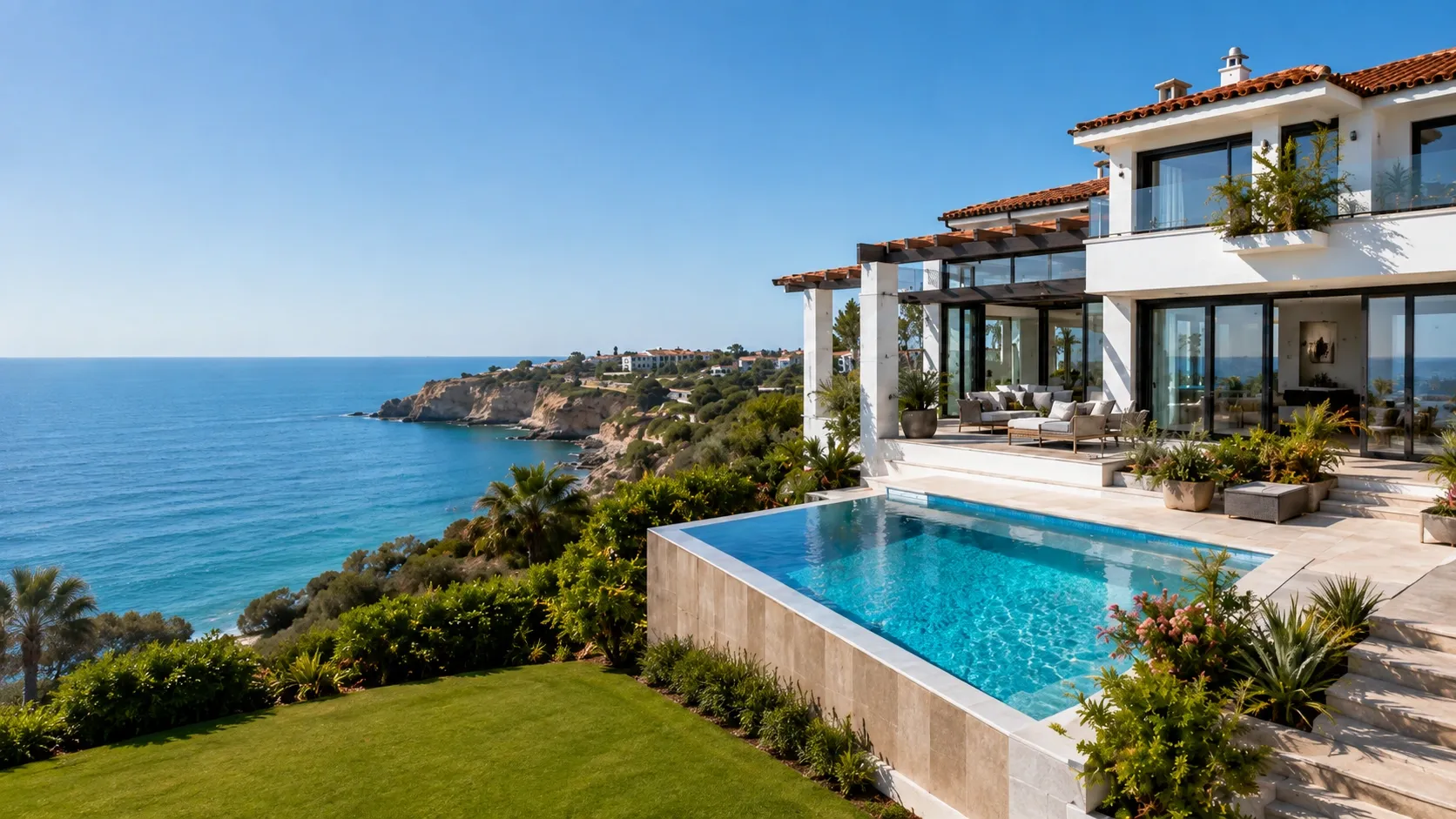
The best places to buy a vacation home abroad in 2026 are destinations that Canadians can actually enjoy often, not just admire from a distance. A good vacation home should be easy enough to visit, comfortable across seasons, practical to maintain from Canada, and affordable once the exchange rate is factored in.
For many Canadians, that means looking beyond the property price. Flights, weather, healthcare access, upkeep, legal support, insurance, local fees, and foreign currency payments can all affect whether a destination works as a true vacation home.
Quick overview: The best places to buy a vacation home abroad in 2026 include Portugal, Spain, Florida, Mexico, Greece, Barbados, and Panama. For Canadians, the right destination should balance lifestyle appeal, ease of travel, ownership costs, local support, and the true CAD cost after exchange rates.
This guide compares some of the best places for Canadians to buy a vacation home abroad in 2026, including Portugal, Spain, Florida, Mexico, Greece, Barbados, and Panama. It also explains how exchange rates and international payments can affect the final cost in Canadian dollars.
Quick answer: What are the best places to buy a vacation home abroad in 2026?
The best places to buy a vacation home abroad in 2026 include the Algarve in Portugal, Costa del Sol in Spain, Florida in the US, Riviera Maya or Puerto Vallarta in Mexico, Crete in Greece, Barbados, and Panama’s coastal communities. Each destination offers a different mix of sunshine, lifestyle, travel access, property options, and currency considerations for Canadian buyers.
Before choosing a destination, Canadians should also check official travel advice, entry requirements, local laws, and safety updates through the Government of Canada travel advice and advisories. Government travel pages for destinations such as Portugal, Spain, the US, Mexico, Greece, Barbados, and Panama provide updated guidance for Canadian travellers.
What makes a destination good for a vacation home?
A good vacation-home destination should be easy to visit, enjoyable beyond one short holiday, and realistic to manage while you live in Canada. The best place is not always the cheapest or most famous market. It is the one that fits your lifestyle, budget, travel habits, and long-term comfort.
Think of it this way: a beach town might look perfect during a one-week trip, but owning there is different. You need to know what it feels like in the off-season, how easy it is to maintain the property, how far it is from the airport, and what the true cost looks like in CAD.
A smart approach is to compare the destination as a place you would return to again and again, not just as a place you enjoyed once.
Best places to buy a vacation home abroad in 2026
Algarve, Portugal
Best for: Mild winters, beaches, golf, and relaxed coastal living.
The Algarve is one of Europe’s most appealing vacation-home regions for Canadians who want sunshine, coastal scenery, and a slower pace of life. Its beaches, golf courses, seafood, historic towns, and mild winter weather make it especially attractive for extended stays.
It works well as a vacation-home destination because it is not only a summer beach region. Many Canadians looking for a European base want somewhere they can enjoy during the shoulder seasons or winter months, and the Algarve offers a more relaxed alternative to larger cities.
Canadians should look carefully at the specific town or area. Lagos, Tavira, Faro, Albufeira, and Vilamoura can all offer a different feel. Some areas are quieter and more residential, while others are more tourism-focused.
Portugal uses the euro, so buyers should plan their CAD to EUR exposure early. A deposit, legal fees, final closing payment, and future property costs may all need to be paid in euros.
Simple example: If a Canadian agrees to buy a vacation home for €350,000, the final CAD cost depends on the exchange rate at the time the funds are converted. If the Canadian dollar weakens before closing, the same euro price can cost more in CAD, even if the property price does not change.
| Field | Value |
|---|---|
Amount Payable (USD) 500,000 | |
Bank Exchange Rate 1.4542 / 0.6877 | |
Total cost 727,091.7CAD |
| Field | Value |
|---|---|
Amount Payable (USD) 500,000 | |
MTFX Exchange Rate 1.4292 / 0.6997 | |
Total cost 714,617.09CAD |
You Save
CAD 12,474.61
with MTFX
10 October 2026
We use mid-market rates. This is for informational purposes only. Log in to view send rates.
Costa del Sol, Spain
Best for: Sunshine, beaches, dining, culture, golf, and extended winter stays.
Costa del Sol is a strong option for Canadians who want a well-established European vacation-home market with warm weather, good services, and plenty to do. Towns around Málaga, Marbella, Estepona, and Mijas offer a mix of beach living, restaurants, golf, shopping, and cultural day trips.
What makes Costa del Sol attractive is its balance. It has the feel of a vacation destination, but it also has the infrastructure many overseas buyers want: airports, healthcare access, professional services, roads, shops, and communities used to international owners.
For Canadians, Spain can work well for longer seasonal stays. It may appeal to buyers who want a warm European base without choosing a place that feels too remote or difficult to manage.
Spain also uses the euro, so buyers should compare current exchange rates before making large payments. MTFX’s live exchange rates can help Canadians monitor CAD/EUR movements before sending money.
Canadians should also check entry rules and stay limits before planning long visits. The Government of Canada’s Spain travel advice includes entry, safety, and local law information for Canadian travellers.
Florida, US
Best for: Easy access from Canada, winter escapes, family trips, and familiar travel.
Florida remains one of the most practical vacation-home options for Canadians. Flights are relatively easy, the time zones are manageable, and many Canadians already know areas such as Orlando, Fort Lauderdale, Tampa, Naples, Sarasota, and Miami.
For families, Florida can be especially convenient. It offers beaches, theme parks, golf, shopping, warm winter weather, and a travel experience that feels familiar compared with many overseas markets.
The main challenge is cost. Florida property prices, insurance, HOA fees, property taxes, and maintenance can be significant. The US dollar also matters. If the Canadian dollar is weaker against the US dollar, the same Florida property can feel much more expensive.
A Canadian buying in Florida should regularly check the CAD to USD exchange rate and review the broader FX forecast before making a large payment.
Simple example: A Florida vacation home priced at US$450,000 may look straightforward because the market is familiar. But if the buyer is paying from Canada, the real cost depends on USD/CAD. Even a small change in the exchange rate can add thousands of dollars to the CAD amount needed for the purchase.
Canadians should also review the Government of Canada’s US travel advice before travelling, especially for entry requirements, border rules, and local safety considerations.
Riviera Maya or Puerto Vallarta, Mexico
Best for: Beach lifestyle, warm weather, shorter flights, and familiar vacation settings.
Mexico is a natural vacation-home consideration for Canadians because it combines warm weather, strong tourism appeal, and relatively easy travel from many Canadian cities. Riviera Maya and Puerto Vallarta are two of the most recognizable options.
Riviera Maya offers Caribbean beaches, resort communities, and access to places such as Playa del Carmen, Tulum, and surrounding coastal areas. Puerto Vallarta has a Pacific coast feel, with beaches, mountains, restaurants, art, and a more traditional city atmosphere.
Mexico can work well for Canadians who want a warm-weather property without the same cost profile as parts of Florida or prime European coastal markets. However, buyers should take extra care with legal review, ownership structure, property location, maintenance arrangements, and payment currency.
Some transactions may involve Mexican pesos, while others may be marketed or negotiated in US dollars. That means Canadians may need to think about CAD/MXN or CAD/USD exposure depending on how the purchase is structured.
Using a currency converter before making an offer can help buyers estimate the approximate CAD cost and avoid surprises later.
Canadians should also check the Government of Canada’s Mexico travel advice, which includes regional safety information and entry requirements.
Crete, Greece
Best for: Mediterranean scenery, beaches, food, history, and slower-paced stays.
Crete is a strong vacation-home option for Canadians who want a Mediterranean lifestyle without choosing the most crowded or obvious markets. It offers beaches, mountain villages, historic towns, local food, hiking, and a relaxed island pace.
It is especially appealing for buyers who want their vacation home to feel like a place to slow down. Rather than focusing only on beach access, Crete offers a deeper lifestyle mix: coastal drives, old towns, traditional villages, local markets, and cultural sites.
The trade-off is travel time. Crete may require more planning than Florida or Mexico, especially outside the main tourist season. Buyers should also think about how the property will be maintained when they are in Canada.
Greece uses the euro, so Canadians should plan CAD/EUR conversion for the deposit, closing, legal costs, and future property expenses. Checking historical exchange rates can help buyers understand how much exchange rates have moved over time before they commit to a large payment.
The Government of Canada’s Greece travel advice also notes information on entry, safety, transport, and local conditions for Canadian travellers.
Barbados
Best for: Premium tropical escapes, winter sun, beaches, and English-speaking convenience.
Barbados is a premium choice for Canadians who want a tropical vacation home with strong winter appeal. It offers beaches, warm weather, dining, golf, sailing, and an English-speaking environment, which can make ownership feel more comfortable for some buyers.
A vacation home in Barbados is usually more of a lifestyle purchase than an affordability play. Property prices, insurance, maintenance, and island living costs can be higher than in some other destinations. But for buyers who want a polished Caribbean base, Barbados can be very appealing.
The destination works especially well for Canadians who want a warm-weather escape during the Canadian winter and prefer an island with established tourism infrastructure.
The Barbados dollar is pegged to the US dollar, so Canadians should think about USD-linked currency exposure. If the Canadian dollar weakens against the US dollar, Barbados-related costs can rise in CAD terms.
Before travelling or buying, Canadians should check the Government of Canada’s Barbados travel advice for entry, safety, and local information.
Panama coastal communities
Best for: Warm weather, coastal living, city access, and practical services.
Panama can be a practical vacation-home destination for Canadians who want warm weather, coastal options, and access to city infrastructure. Instead of focusing only on Panama City, vacation-home buyers may want to compare coastal communities that offer beach access while still keeping services within reach.
Panama has a different feel from island destinations. It can offer a mix of city convenience, beach towns, mountain areas, and established expat communities. That makes it attractive for Canadians who want a flexible warm-weather base.
For vacation-home use, the key is choosing the right area. Some communities may feel more residential and practical, while others may be better suited to short holiday stays. Buyers should compare healthcare access, road quality, airport distance, local services, internet, and property management options.
Panama uses the balboa alongside the US dollar, and the US dollar is widely used. For Canadians, that means USD/CAD exchange rates can have a major effect on the purchase and ongoing costs.
Canadians can follow MTFX’s monthly FX outlook to stay informed about broader currency trends before planning large international property payments.
The Government of Canada’s Panama travel advice provides entry, safety, and local information for Canadian travellers.
How do the best vacation-home destinations compare?
Each vacation-home destination has a different strength. Florida is practical and familiar. Portugal and Spain offer European lifestyle appeal. Mexico gives Canadians warm-weather convenience. Greece brings a slower Mediterranean feel. Barbados is a premium island choice. Panama can be a practical Central American option with USD-linked costs.
The right choice depends on how you plan to use the property. A couple looking for long winter stays may choose differently from a family wanting school-break trips or a buyer looking for a quiet place to return to every year.
What costs should Canadians plan for before buying a vacation home abroad?
Canadians buying a vacation home abroad should budget beyond the purchase price. Legal fees, closing costs, insurance, property taxes, utilities, maintenance, travel, and currency conversion can all affect the total cost.
A vacation home can feel affordable when you only look at the listing price. The more useful question is: “What will this cost me every year in Canadian dollars?”
Simple example: A Canadian buyer may budget for a €300,000 property in Spain but forget to account for legal costs, taxes, furnishing, annual condo fees, and the exchange rate. By the time the purchase is complete, the total CAD cost can be noticeably higher than the original estimate.
You can keep an eye on the currency trends using MTFX currency charts.
Compare FX rates and save on international property payments.
How do exchange rates affect the real cost of a vacation home abroad?
Exchange rates affect the real cost because Canadians usually earn, save, or invest in CAD but pay for overseas property in another currency. The property may be priced in euros, US dollars, Mexican pesos, Barbados dollars, or another currency.
This matters most when payments happen in stages. A buyer may pay a deposit first, then legal fees, then the closing balance weeks or months later. If the exchange rate moves during that time, the CAD amount needed can change.
This is why it helps to follow the daily FX market and compare rates before sending a large property payment. You do not need to become a currency expert, but you should know whether a rate movement could affect your budget.
Simple example: Suppose your final property payment is €250,000. If the CAD cost of buying euros changes by just 2%, that can shift your cost by thousands of dollars. On a large property purchase, even a small exchange-rate change can feel big.
What mistakes should Canadians avoid when buying a vacation home abroad?
The most common mistake is buying with a holiday mindset instead of an ownership mindset. A place can be beautiful for one week and still be difficult, expensive, or inconvenient to own from Canada.
- Buying after one great trip: Visit at different times of year if possible.
- Ignoring off-season conditions: Some destinations change completely outside peak season.
- Forgetting maintenance: Empty homes still need repairs, cleaning, security, and inspections.
- Underestimating insurance: Coastal and island properties may carry higher insurance costs.
- Not checking local rules: Ownership, taxes, entry rules, and property processes vary by country.
- Choosing poor access: A home far from airports or services may become frustrating over time.
- Budgeting only in local currency: Canadians should always estimate the total in CAD.
- Waiting too long to arrange payment: Last-minute transfers can create stress before closing.
- Overlooking recurring costs: Utilities, condo fees, property tax, and maintenance continue every year.
- Assuming it will be easy to manage remotely: Local support matters when you are thousands of kilometres away.
A vacation home should make travel easier and more enjoyable, not create constant administration from Canada.
How should Canadians pay for a vacation home abroad?
Canadians usually pay for a vacation home abroad through an international bank transfer or a specialist money transfer provider. The right option depends on the payment size, currency, exchange rate, deadline, and level of support needed.
For a small travel expense, the difference between providers may not feel huge. For a property purchase, the exchange rate can have a much bigger impact. A slightly better rate on a large transfer can make a meaningful difference.
If you are sending a deposit, paying a lawyer, or moving funds for closing, MTFX’s large money transfers can help Canadians plan the payment before the deadline arrives.
How can MTFX help with overseas vacation-home payments?
Buying a vacation home abroad often involves large payments in a foreign currency. You may need to send a deposit, pay legal fees, transfer the closing balance, or cover ongoing property expenses from Canada.
MTFX helps Canadians exchange CAD, send international property payments, and plan transfers more efficiently than relying only on standard bank options. MTFX is Canadian-based, established since 1996, and FINTRAC regulated.
- Convert CAD to USD, EUR, MXN, and other major currencies.
- Send large overseas property payments.
- Pay lawyers, sellers, developers, or personal overseas accounts.
- Compare exchange rates before transferring.
- Plan staged payments around property deadlines.
- Reduce unnecessary FX costs on large transfers.
Buying overseas property is a major decision, so it helps to plan the payment side early. A property may be negotiated in another currency, but the real question for Canadian buyers is always: “How much will this cost me in CAD?”


Is buying a vacation home abroad worth it for Canadians?
Buying a vacation home abroad can be worth it for Canadians who plan to use the property regularly, understand the ongoing costs, and have a clear plan for managing foreign-currency payments. It may not make sense if the property is hard to reach, expensive to maintain, or bought without enough local guidance.
A vacation home is part lifestyle decision and part financial commitment. The best destinations are the ones that still make sense after the holiday feeling wears off.
Choose a home that feels like a getaway, not a guessing game
The best place to buy a vacation home abroad is not the same for every Canadian. Portugal may suit someone looking for a calm European base. Florida may work better for frequent family trips. Mexico may appeal to beach lovers who want shorter flights. Greece, Barbados, and Panama each offer a different kind of escape.
The smartest approach is to compare lifestyle, travel access, upkeep, local support, and the full cost in CAD. When the payment is in another currency, exchange-rate planning should be part of the buying process from the beginning. Set up your personal MTFX account and send international property payments, compare exchange rates, and move funds abroad with more confidence.
FAQs
1. What is the best place to buy a vacation home abroad in 2026?
The best place to buy a vacation home abroad in 2026 depends on your budget, travel preferences, and how often you plan to visit. Portugal, Spain, Florida, Mexico, Greece, Barbados, and Panama are strong options for Canadians because they offer different mixes of weather, lifestyle, access, and ownership practicality.
2. What should Canadians consider before buying a vacation home abroad?
Canadians should consider travel access, climate, local costs, legal requirements, property maintenance, insurance, taxes, exchange rates, and how they will send money for the purchase. A destination should be enjoyable to visit and practical to own from Canada.
3. Is Florida still a good place for Canadians to buy a vacation home?
Florida can still be a practical vacation-home destination for Canadians because it is easy to reach and familiar. Buyers should account for USD/CAD exchange rates, insurance, property taxes, HOA fees, and rising ownership costs.
4. Is Europe a good place to buy a vacation home?
Europe can be a good place to buy a vacation home if you want culture, beaches, food, and longer seasonal stays. Portugal, Spain, and Greece are popular options, but Canadians should plan for CAD/EUR exchange-rate exposure and check local rules before buying.
5. Is Mexico a good place for Canadians to buy a vacation home?
Mexico can be appealing for Canadians because of warm weather, beach destinations, and shorter flights from many Canadian cities. Buyers should still review local ownership rules, legal processes, maintenance arrangements, and whether payments are expected in pesos or US dollars.
6. What are the hidden costs of owning a vacation home abroad?
Hidden costs can include legal fees, closing costs, property taxes, insurance, utilities, condo or HOA fees, repairs, maintenance, security, property check-ins, travel, and foreign exchange costs. These costs vary by country, property type, and location.
7. How do exchange rates affect buying a vacation home abroad?
Exchange rates affect the CAD cost of deposits, closing payments, legal fees, and ongoing property expenses. If the Canadian dollar weakens before you make a payment, the same foreign-currency amount can cost more in CAD.
8. How can Canadians send money to buy a vacation home abroad?
Canadians can send money through a bank wire or a specialist international money transfer provider. For large overseas property payments, an FX specialist such as MTFX can help with exchange rates, transfer planning, and payments to lawyers, sellers, developers, or overseas accounts.
Disclaimer: This article is for general informational purposes only and does not provide legal, tax, real estate, financial, or investment advice. Property rules, ownership requirements, taxes, fees, exchange rates, and travel conditions can vary by country and personal situation. Canadians considering an overseas vacation-home purchase should seek guidance from qualified legal, tax, real estate, and financial professionals before making a decision.