Best Universities in Japan for Canadian Students
Japan offers Canadian students a strong mix of globally respected universities, research opportunities, and English-taught programs. This guide compares top universities in Japan, explains estimated study costs, shows why the CAD to JPY exchange rate matters, and outlines how Canadian students can safely send tuition fees and education-related payments to Japan with MTFX.
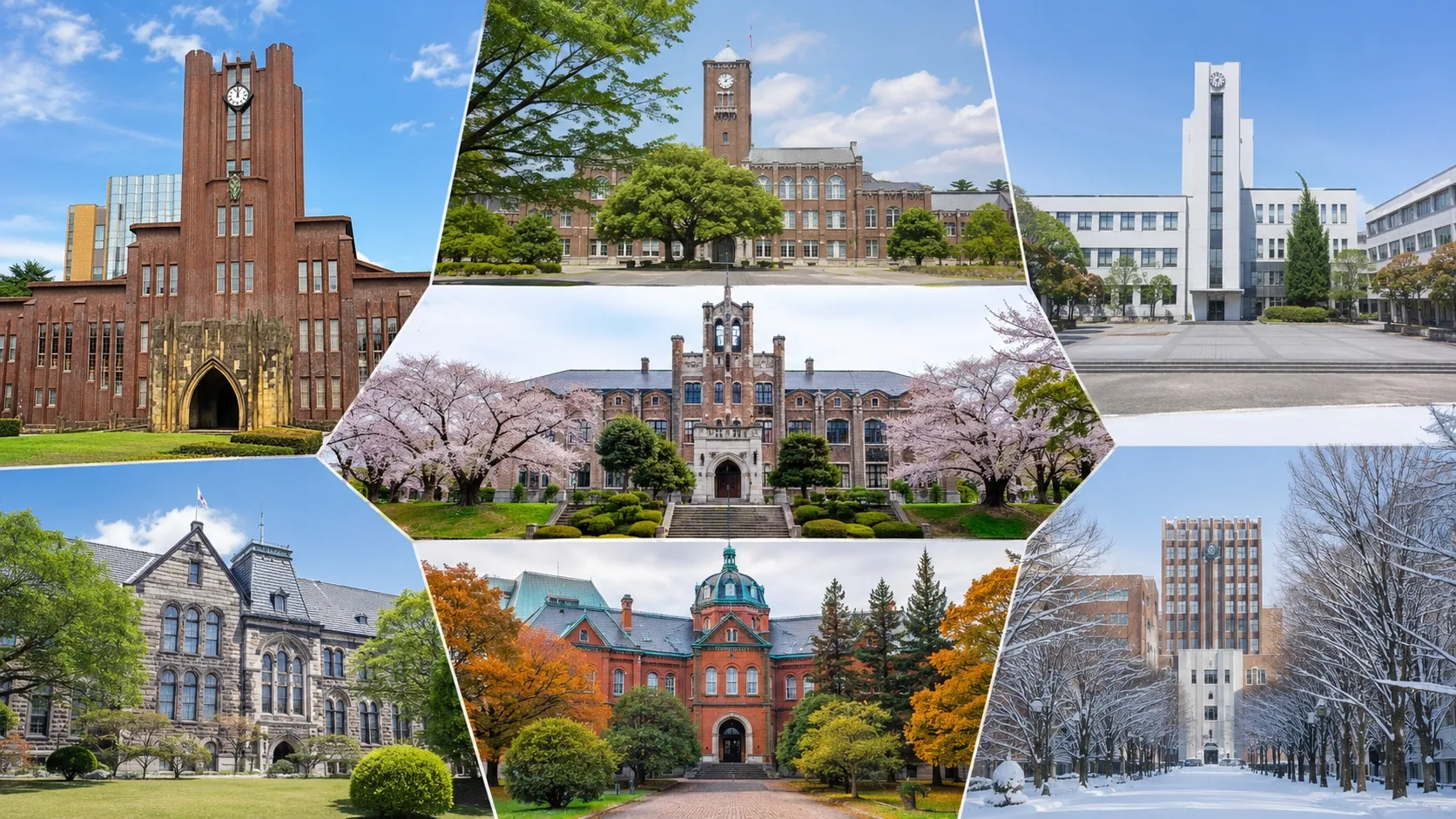
Japan is an increasingly attractive destination for Canadian students who want a globally respected education, a rich cultural experience, and access to one of Asia’s most advanced economies.
The best universities in Japan for Canadian students include leading national universities such as the University of Tokyo, Kyoto University, Osaka University, Hokkaido University, and Tohoku University, along with well-known private universities such as Waseda University and Keio University.
This guide compares top universities in Japan for international students, including what each school is known for, which cities may suit different student lifestyles, how much it may cost to study in Japan, and how Canadian students can plan tuition payments in Japanese yen.
It also explains why the CAD to JPY exchange rate matters when sending money to Japan for education.
Quick Overview: The best universities in Japan for Canadian students include the University of Tokyo, Kyoto University, Osaka University, Waseda University, Keio University, Hokkaido University, and Tohoku University. Students should compare each school by program fit, language of instruction, tuition, scholarships, city costs, and payment requirements before applying.
Is Japan a good place for Canadian students to study?
Yes, Japan can be a strong study destination for Canadian students seeking high-quality academics, international exposure, and a student experience beyond the usual US, UK, or Australian study-abroad experience. Japan is known for research, technology, engineering, business, public policy, design, economics, language study, and international relations.
For Canadian students in Japan, the right university depends on more than rankings. Program availability, English-taught courses, tuition fees payments, scholarships, city costs, student support, and payment deadlines all matter. Tokyo may be ideal for students who want business, technology, and networking opportunities, while Kyoto, Osaka, Sapporo, and Sendai may appeal to students looking for different costs, lifestyles, or academic environments.
Students should use official planning resources, such as the Study in Japan website and JASSO, when comparing programs, fees, scholarships, and student life.
Best universities in Japan for Canadian students
The best universities in Japan for Canadian students usually include a mix of highly ranked national universities, private universities with strong international programs, and institutions in student-friendly cities.
Students should confirm current programs, admissions and immigration/visa requirements, and tuition fees directly on each university’s official website before applying.
1. University of Tokyo

The University of Tokyo is one of Japan’s most recognized universities and a strong choice for Canadian students interested in research, science, engineering, law, public policy, economics, medicine, and graduate study.
Located in Tokyo, the university gives students access to Japan’s largest academic, business, and cultural environment. For Canadian students who want a competitive academic setting and a strong research reputation, the University of Tokyo is often one of the first schools to compare.
Why Canadian students may choose the University of Tokyo
Canadian students may choose the University of Tokyo because of its academic reputation, research environment, and access to one of the world’s largest urban economies. The university can be especially relevant for students who want to study science, engineering, economics, public policy, law, international relations, or graduate research.
Tokyo also gives students access to internships, professional networks, cultural institutions, and international communities. However, students should also consider the cost of living, housing availability, and the pace of life in Japan’s capital.
Estimated tuition and costs
For cost planning, students should review the university’s official admission fee and tuition page. Canadian students should also remember that tuition listed in Japanese yen will need to be converted into Canadian dollars using the current CAD to JPY exchange rate.
| Field | Value |
|---|---|
Tuition Fees (JPY) 1,000,000 | |
Bank Exchange Rate 0.0089 / 111.89 | |
Total cost 8,937.25CAD |
| Field | Value |
|---|---|
Tuition Fees (JPY) 1,000,000 | |
MTFX Exchange Rate 0.0088 / 113.84 | |
Total cost 8,783.92CAD |
You Save
CAD 153.34
with MTFX
31 July 2026
The savings estimate is based on MTFX internal comparisons of quoted CAD/JPY rates against selected Canadian bank wire-transfer rates. Actual savings vary by transfer amount, currency pair, and any sending, receiving, or intermediary bank fees.
Best fit
The University of Tokyo may be a good fit for students who want:
- A highly research-driven environment
- Access to Tokyo’s professional and internship opportunities
- Strong programs in science, technology, public policy, law, and economics
- Graduate study or research pathways
- A globally recognized Japanese university name
2. Kyoto University

Kyoto University is another leading Japanese national university and a strong option for Canadian students who want research depth, academic tradition, and a city known for culture, history, and student life.
Kyoto can be especially appealing to students interested in humanities, science, engineering, Japanese culture, environmental studies, and research-based education. The city offers a different lifestyle from Tokyo, with a historic atmosphere, a large student population, and access to the broader Kansai region.
Why Canadian students may choose Kyoto University
Canadian students may choose Kyoto University because it combines academic strength with one of Japan’s most culturally significant cities. Kyoto is known for temples, traditional architecture, museums, universities, and a slower pace than Tokyo.
For students who want to study in Japan while experiencing the country’s history and culture, Kyoto can be a strong alternative to the capital. Kyoto University may also appeal to students interested in research, science, engineering, humanities, and graduate study.
Estimated tuition and costs
Students can review Kyoto University’s official tuition and fees information when budgeting. Since fees and payment instructions can vary by student category and program, applicants should always confirm the latest details with the university.
Best fit
Kyoto University may suit Canadian students who want:
- A research-focused academic environment
- A historic and culturally rich city
- Strong science, engineering, humanities, and graduate programs
- A less overwhelming alternative to Tokyo
- Access to Kyoto, Osaka, and nearby Kansai opportunities
3. Osaka University
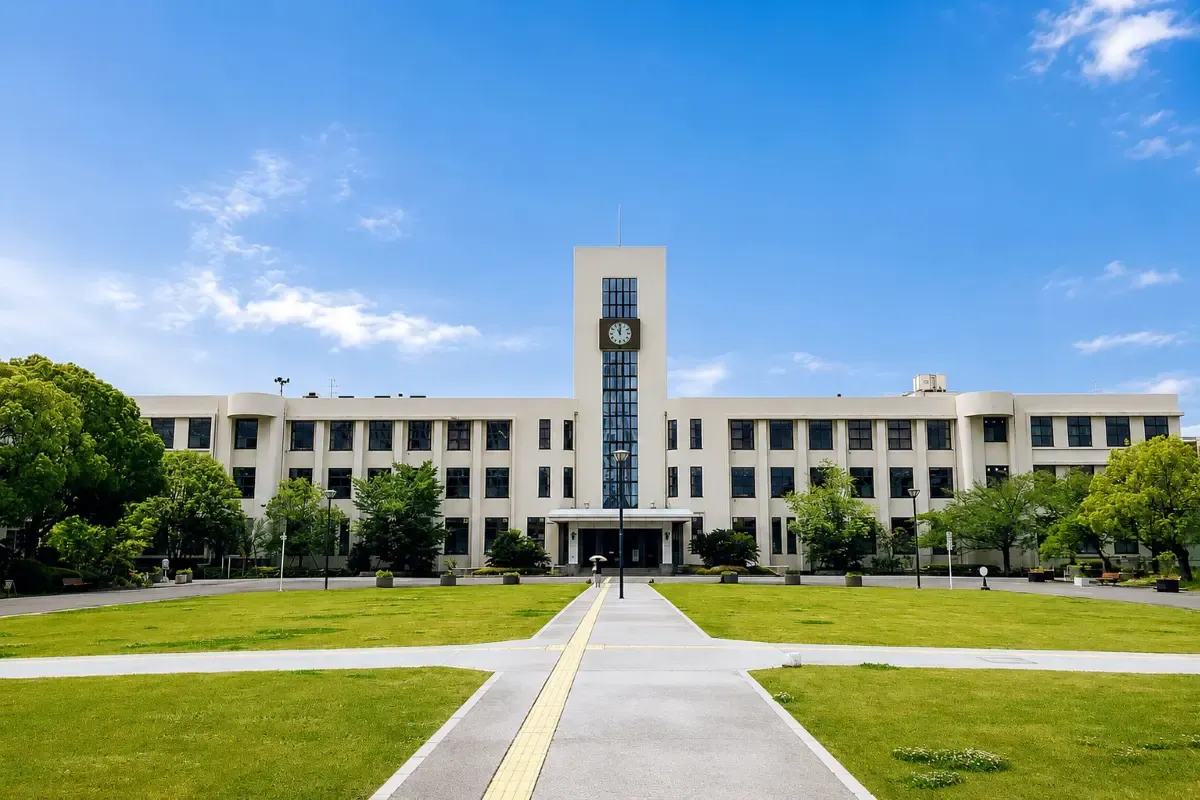
Osaka University is a major national university located in one of Japan’s largest urban and commercial regions. It can be a practical choice for Canadian students who want strong academics while living outside Tokyo.
Osaka is known for business, food, culture, transport access, and a more relaxed urban character compared with Tokyo. For students interested in science, engineering, medicine, global studies, and research, Osaka University is a strong institution to compare.
Why Canadian students may choose Osaka University
Canadian students may choose Osaka University because it offers a major national university experience in one of Japan’s most important urban regions. Osaka is part of the Kansai region, giving students access to nearby cities such as Kyoto, Kobe, and Nara.
The university may appeal to students who want strong academics, city life, and access to business and research opportunities outside Tokyo.
Estimated tuition and costs
Students should check Osaka University’s official international admissions information and tuition fee page. Payment timing and methods may matter, especially if tuition must be paid from a Japanese bank account or by a specific deadline.
Best fit
Osaka University may be a good fit for students who want:
- A major national university in the Kansai region
- Access to Osaka, Kyoto, Kobe, and surrounding cities
- Strong STEM, medicine, and research options
- A large urban experience outside Tokyo
- A practical location for both study and lifestyle
4. Waseda University
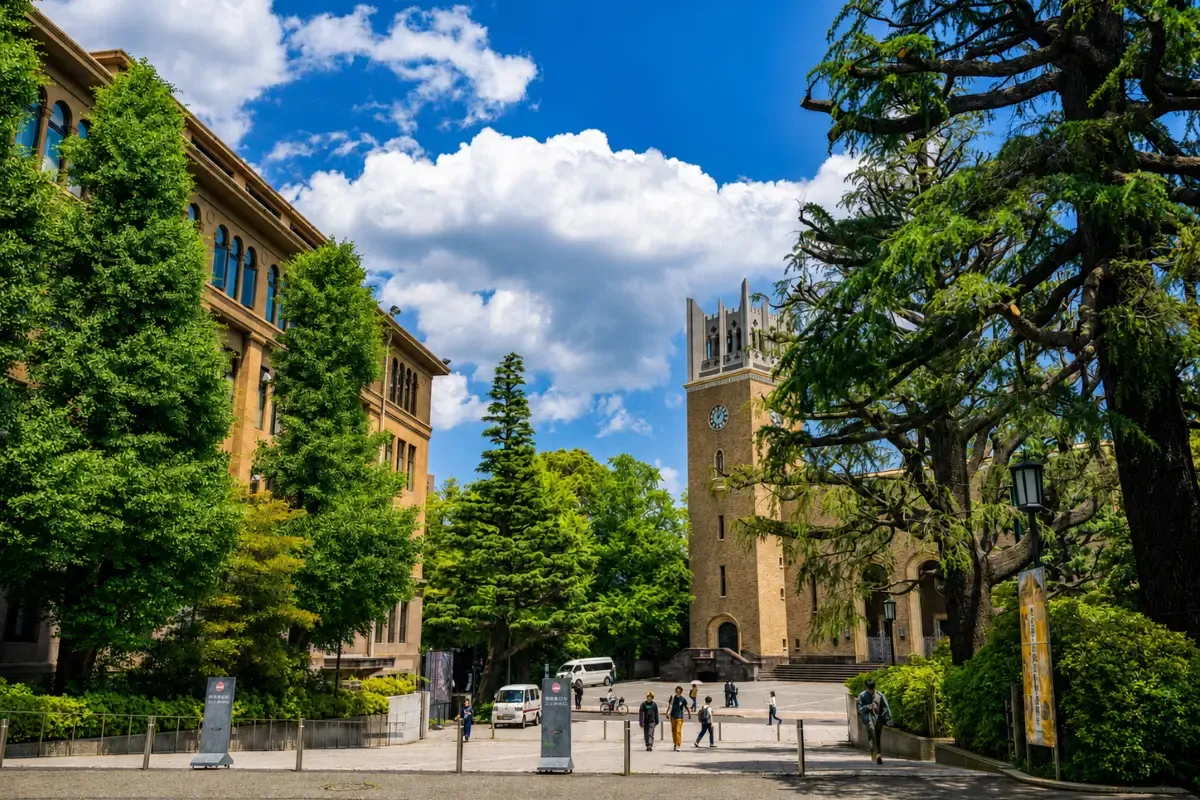
Waseda University is one of Japan’s best-known private universities. It is a strong option for Canadian students interested in business, political science, international studies, liberal arts, culture, communications, and English-based degree options.
Located in Tokyo, Waseda is often attractive to students who want a globally visible private university with a large student community and international profile. It may be especially relevant for students who want to build networks in business, government, media, international relations, or global careers.
Why Canadian students may choose Waseda University
Canadian students may choose Waseda University because of its international profile, Tokyo location, and strong reputation in business, politics, liberal arts, and international studies. Students who want a private university with a large student body and an international community may find Waseda appealing.
Waseda may also be a strong option for students looking for English-based programs, depending on the faculty and degree level.
Estimated tuition and costs
Waseda publishes university information for prospective and current international students on its official website. Students should use the official site to confirm program-specific tuition, admission requirements, and payment deadlines.
Best fit
Waseda University may suit Canadian students who want:
- A private university experience in Tokyo
- Business, politics, international relations, or liberal arts
- English-based degree options, depending on the program
- A large international student community
- Career and networking opportunities in Tokyo
5. Keio University

Keio University is a leading private university with campuses in Tokyo and Kanagawa. It is often associated with business, economics, law, medicine, technology, and strong alumni networks.
For Canadian students interested in business, economics, management, law, or professional pathways, Keio is one of the top private universities in Japan to compare. Its location also gives students access to Tokyo’s business and employment environment.
Why Canadian students may choose Keio University
Canadian students may choose Keio University because of its professional reputation, business and economics strengths, and strong private university network. It may be especially relevant for students who want to study in or near Tokyo while building a career-oriented academic profile.
Keio can be a good option for students considering business, economics, law, technology, medicine, or management programs.
Estimated tuition and costs
Students should review Keio’s official undergraduate academic fees page and program-specific admissions pages before making financial plans. Private university costs can vary by faculty and program, so students should not assume one flat tuition amount across all degrees.
Best fit
- Keio University may be a good fit for students who want:
- A private university with strong employer recognition
- Business, economics, law, medicine, or technology programs
- Urban access to Tokyo and Kanagawa
- A professional and career-oriented academic environment
- Strong alumni and industry networks
6. Hokkaido University

Hokkaido University is a major national university located in Sapporo. It may appeal to Canadian students looking for a large campus, strong research programs, and a lifestyle that feels very different from Tokyo.
Hokkaido University is known for fields such as agriculture, environmental science, engineering, veterinary science, natural sciences, and research. Sapporo’s climate, open spaces, and northern location may also feel more familiar to some Canadian students than other parts of Japan.
Why Canadian students may choose Hokkaido University
Canadian students may choose Hokkaido University because it offers a spacious campus, strong research programs, and access to life in northern Japan. Sapporo may appeal to students who want a large city with a different pace and climate from Tokyo, Osaka, or Kyoto.
Students interested in agriculture, environmental science, engineering, natural sciences, and research may find Hokkaido University especially relevant.
Estimated tuition and costs
Students should check Hokkaido University’s official student fees page when comparing tuition, entrance fees, and other costs. While Sapporo may be less expensive than central Tokyo in some categories, actual costs depend on housing, lifestyle, and exchange rates.
Best fit
Hokkaido University may suit Canadian students who want:
- A spacious campus environment
- Science, agriculture, environment, or engineering programs
- A city with a different cost and lifestyle profile than Tokyo
- Access to nature, winter activities, and northern Japan
- A national university outside Japan’s busiest urban centres
7. Tohoku University

Tohoku University is a respected national university located in Sendai. It is often a strong option for students interested in engineering, science, research, medicine, and technology.
Sendai is known as a student-friendly regional city. It can offer a more manageable lifestyle than Tokyo while still providing strong academic resources and urban convenience. For Canadian students who want a research university outside the largest metropolitan areas, Tohoku University is worth comparing.
Why Canadian students may choose Tohoku University
Canadian students may choose Tohoku University because of its research reputation, STEM strengths, and student-friendly location in Sendai. It may suit students who want a high-quality national university experience without living in Tokyo.
Sendai can offer a practical balance of urban life, student culture, and access to nature. For students focused on engineering, science, research, or technology, Tohoku University is a strong option to review.
Estimated tuition and costs
Students should review Tohoku University’s official fees and expenses page and program-specific admissions information before applying.
Best fit
Tohoku University may be a good fit for students who want:
- Strong engineering, science, and research programs
- A regional city with a large student presence
- A less crowded alternative to Tokyo
- A national university with international research visibility
- A practical balance of academics and lifestyle
Other Japanese universities Canadian students may consider
The seven universities above are strong starting points, but they are not the only options. Depending on the student’s goals, Canadian applicants may also want to compare:
- Tokyo Institute of Science or related science and technology programs
- Nagoya University
- Kyushu University
- University of Tsukuba
- Sophia University
- Ritsumeikan Asia Pacific University
- Hitotsubashi University for business and economics
- International Christian University for liberal arts
The best university in Japan for international students is not always the highest-ranked university overall. A student interested in business may prioritize Keio, Waseda, or Hitotsubashi. A student interested in research may prioritize Tokyo, Kyoto, Osaka, Tohoku, or Hokkaido. A student who wants English-taught liberal arts may compare Sophia, ICU, Waseda, or other internationally focused programs.
How much does it cost to study in Japan?
The cost to study in Japan depends on the university, program, city, housing, lifestyle, and CAD to JPY exchange rate. Canadian students should budget for more than tuition alone.
Typical cost categories include:
The Study in Japan academic fees page is a useful starting point for understanding the types of fees international students may need to pay. However, students should always confirm exact tuition and payment deadlines on the university’s official website.
Example: converting Japanese tuition into Canadian dollars
If a Japanese university charges ¥535,800 in annual tuition and the CAD to JPY exchange rate is 110, the approximate tuition cost is:
¥535,800 ÷ 110 = CAD $4,871 before transfer fees or exchange-rate markup.
If the exchange rate changes to 105, the same tuition would cost:
¥535,800 ÷ 105 = CAD $5,103 before fees.
This is why Canadian students and families should check the CAD to JPY exchange rate before sending tuition payments.
Public vs private universities in Japan: which is better?
Public and national universities in Japan may offer more standardized tuition structures, while private universities may offer strong international programs, business networks, and English-taught degrees, depending on the school.
Canadian students should not choose only by university type. A national university may be better for research, while a private university may be better for a specific business, politics, or international relations program.
Best cities in Japan for Canadian students
The best city for a Canadian student in Japan depends on budget, language ability, lifestyle, program choice, and career goals.
Tokyo is often the first city students think of, but it is not the only strong option. Kyoto, Osaka, Sapporo, and Sendai can offer excellent education with different lifestyles and cost considerations.
How MTFX helps Canadian students send tuition fees to Japan
Canadian students usually need to pay Japanese tuition, housing deposits, or education-related expenses in Japanese yen. MTFX helps students and families in Canada send money to Japan while checking the CAD to JPY exchange rate, reviewing transfer costs, and arranging international tuition payments before university deadlines.
Before sending funds, students should always confirm the university’s official payment instructions, recipient details, payment deadline, and accepted transfer method. Once the details are confirmed, MTFX can help with education-related transfers from Canada to Japan.
Students and families can use MTFX to:
- Check the CAD to JPY exchange rate before making a payment.
- Send money to Japan for tuition, housing deposits, or living expenses.
- Arrange international tuition payments from Canada.
- Make international money transfers in Japanese yen and other currencies.
- Compare the exchange rate and transfer cost before confirming a payment.
A typical tuition payment process may look like this:
- Confirm the university’s official tuition invoice or payment instructions.
- Check whether the payment must be sent in Japanese yen.
- Compare the current Canadian dollar to Japanese yen exchange rate.
- Review transfer fees and the expected amount the university will receive.
- Confirm the recipient name and bank details directly with the university.
- Send funds before the deadline.
- Keep the receipt or payment confirmation.
- Notify the university if proof of payment is required.
The safest approach is to verify payment details directly with the university before transferring funds. Students should avoid sending tuition to personal accounts, be cautious if bank details change unexpectedly, and keep copies of all payment confirmations.
Do Canadian students need a Japanese bank account?
Some Canadian students in Japan may need a Japanese bank account for rent, part-time work, mobile phone plans, scholarship deposits, or everyday spending. However, tuition payments may need to be arranged before the student arrives in Japan, depending on the university and program.
A Japanese bank account may be useful after arrival for:
- Receiving part-time work wages
- Paying rent or utilities
- Receiving scholarship payments
- Setting up a mobile phone plan
- Managing daily living expenses
For tuition, students should always follow the university’s payment instructions. Some universities may require specific payment methods, while others may allow international transfers or designated payment platforms.
Join Canadians using MTFX for secure transfers, and fast online payments.


CAD to JPY exchange rate: why it matters for tuition payments
The CAD to JPY exchange rate affects how much Canadian students and families pay in Canadian dollars for Japanese tuition, housing deposits, and living expenses.
For example, if tuition is ¥800,000, the approximate Canadian dollar cost changes depending on the exchange rate:
A stronger Canadian dollar can reduce the CAD cost of tuition. A weaker Canadian dollar can increase the cost. This is why students should compare the total Japanese yen amount received, not only the transfer fee.
Before making a payment, students can use the MTFX CAD to JPY currency converter or review broader foreign exchange services for international payments.
Scholarships and financial aid for Canadian students in Japan
Canadian students may be able to reduce the cost of studying in Japan through scholarships, tuition reductions, university funding, exchange agreements, or Japanese government scholarship programs.
Useful scholarship sources include:
- JASSO scholarships for study in Japan
- Study in Japan scholarship information
- University-specific scholarship pages
- Canadian university exchange agreements
- Faculty-level scholarships and tuition reductions
- MEXT scholarship information through official Japanese government channels
Scholarship deadlines may be earlier than admission deadlines, so students should check funding options before applying, not after acceptance.
How to choose the best university in Japan for your goals
The best university in Japan for a Canadian student depends on program fit, language of instruction, tuition cost, city, scholarships, career goals, and payment requirements.
Use this checklist when comparing universities:
- Does the university offer your exact program?
- Is the program taught in English, Japanese, or both?
- What language test scores are required?
- What are the tuition, admission, and application fees?
- Are scholarships available for international students?
- What city is the university in?
- What are typical housing and living costs?
- Is there international student support?
- What are the tuition payment deadlines?
- Can you pay from Canada before arrival?
- How will CAD to JPY exchange rates affect the total cost?
Best choice by student's goal
Common mistakes Canadian students should avoid
Canadian students studying in Japan should avoid choosing a university based only on rankings. Rankings can be helpful for Canadians planning to study abroad, but they do not always show program fit, language availability, scholarship access, housing costs, or student support.
Common mistakes include:
- Choosing a university only because it appears in a ranking.
- Not checking whether the degree is taught in English or Japanese.
- Forgetting admission fees, examination fees, and housing deposits.
- Underestimating living costs in Tokyo.
- Ignoring CAD to JPY exchange-rate changes.
- Waiting until the tuition deadline to send money.
- Sending tuition without verifying official payment details.
- Missing scholarship deadlines.
- Assuming every university has the same international student support.
- Not planning for arrival costs, insurance, and daily banking.
A better approach is to compare academics, affordability, student support, city lifestyle, and payment logistics together.
Start your Japan study journey with confidence
Studying in Japan can be a rewarding choice for Canadian students, especially when you compare universities, programs, tuition fees, scholarships, city costs, and payment requirements before applying. Planning ahead also helps you manage CAD to JPY exchange rates and avoid last-minute tuition payment issues.
Ready to send tuition fees to Japan? Sign up with MTFX to make your international education payments with confidence.
FAQs
1. What are the best universities in Japan for Canadian students?
Some of the best universities in Japan for Canadian students include the University of Tokyo, Kyoto University, Osaka University, Waseda University, Keio University, Hokkaido University, and Tohoku University. The best choice depends on the student’s program, budget, language ability, and preferred city.
2. How much does it cost to study in Japan?
The cost to study in Japan depends on the university, program, city, housing, and exchange rate. Students should budget for tuition, admission fees, housing, food, transport, insurance, flights, and currency conversion costs.
3. Are there English-taught universities in Japan?
Yes, some Japanese universities offer English-taught undergraduate or graduate programs. Availability depends on the university, faculty, and degree level, so students should check the official program page before applying.
4. Is Japan affordable for Canadian students?
Japan can be affordable compared with some other study destinations, but costs vary widely by city and university. Tokyo may be more expensive, while cities such as Sapporo or Sendai may offer different cost profiles depending on housing and lifestyle.
5. How do Canadian students send tuition fees to Japan?
Canadian students should follow the university’s official payment instructions, check whether the payment must be sent in Japanese yen, compare the CAD to JPY exchange rate, review transfer fees, and keep proof of payment.
6. What is the safest way to send tuition fees to Japan?
The safest way is to verify the university’s official payment details, avoid sending money to personal accounts, confirm the recipient's name, compare the total transfer cost, and keep payment receipts.
7. Do Canadian students need a Japanese bank account?
Some students may need a Japanese bank account after arriving for rent, wages, mobile phone plans, or daily expenses. Tuition payments, however, may need to be sent from Canada before arrival, depending on the university’s instructions.
8. Which Japanese university is best for business?
Waseda University, Keio University, Hitotsubashi University, and the University of Tokyo are commonly considered strong options for business, economics, management, or related fields. Students should compare specific programs rather than relying only on university reputation.
9. Which Japanese city is best for international students?
Tokyo is best for business, technology, and internships. Kyoto is strong for culture and research. Osaka offers a major urban experience outside Tokyo. Sapporo and Sendai may suit students who want a more regional or lower-density student lifestyle.
10. Can Canadian students work while studying in Japan?
Canadian students should check the official visa and immigration guidance before working in Japan. Work permission can depend on residence status, visa conditions, and current Japanese immigration rules.
11. What documents are required to study in Japan?
Common documents for studying in Japan may include a valid passport, academic transcripts, graduation certificates, proof of language ability, letters of recommendation, a statement of purpose, proof of funds, application forms, passport-style photos, and admission documents from the university.
12. What are the requirements for a Japanese student visa?
Japanese student visa requirements usually include admission to a recognized Japanese institution, a valid passport, a Certificate of Eligibility, visa application forms, photos, proof of financial support, and other documents requested by the Japanese embassy or consulate.
13. Do Canadian students need to learn Japanese to study in Japan?
Canadian students do not always need fluent Japanese to study in Japan because some universities offer English-taught undergraduate and graduate programs. However, learning basic Japanese is strongly recommended for daily life, housing, part-time work, local services, and building a better student experience.
14. What are the best steps to start applying for a master’s program in Japan?
The best first step is to choose a field of study, then compare Japanese universities that offer relevant master’s programs in English or Japanese. Students should review admission requirements, identify potential supervisors if applying for a research-based degree, prepare transcripts and references, check scholarship deadlines, and confirm tuition costs before submitting applications.
Disclaimer: Exchange rates, fees, delivery times, and provider availability vary by transfer amount, currency pair, market conditions, receiving institution, and intermediary banks. This article is for general information only and does not constitute financial advice.
Avoid unnecessary fees and keep more of your money with MTFX.