Guide for Canadians Buying Property in Costa Rica
Canadians can own property in Costa Rica without restrictions, but currency conversion plays a major role in total cost. This guide covers the essentials and how MTFX helps lower FX expenses.
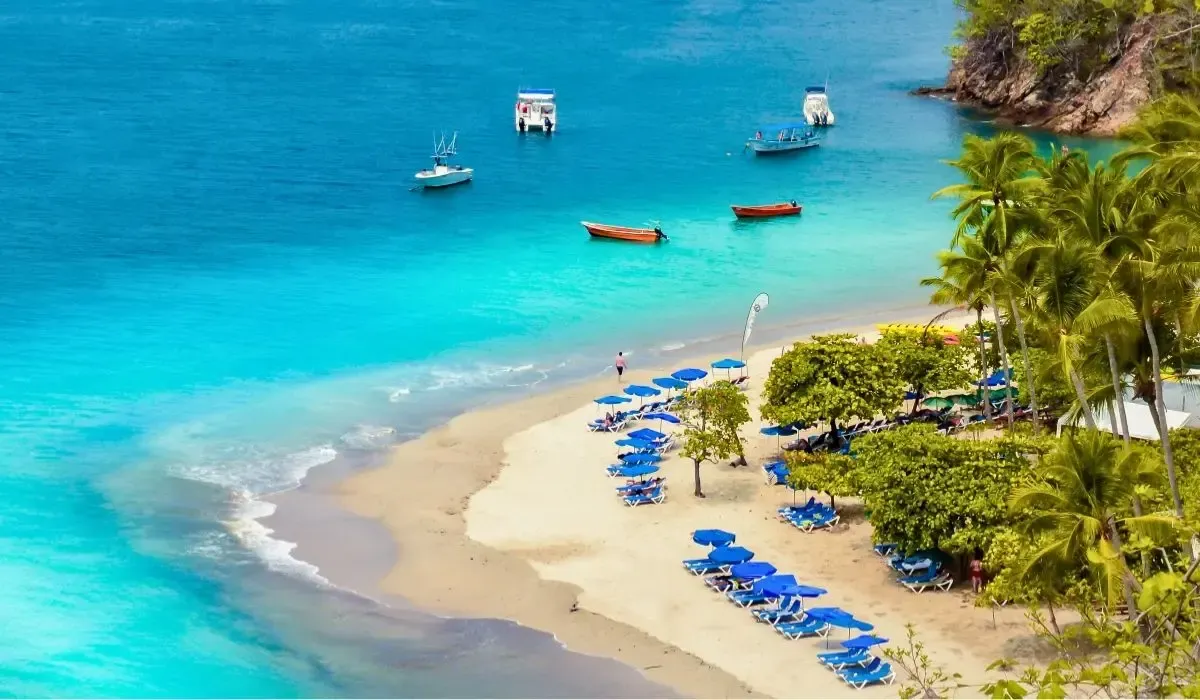
Canadians can buy property in Costa Rica, and foreign buyers get the same legal ownership rights as citizens. Most transactions are priced in US dollars, so the exchange rate when you convert CAD to USD directly affects your total purchase cost from deposit through to closing.
Costa Rica is one of the most accessible real estate markets in Latin America for foreign buyers. There are no restrictions on foreign ownership, the land registry is transparent, and the legal process is well established.
What catches many Canadians off guard is how much currency conversion costs can add to a property purchase when funds are moved through a bank rather than a specialist FX provider.
With nearly 30 years of experience, MTFX has helped Canadians buy property in Costa Rica while saving thousands through better CAD to USD exchange rates and transparent pricing. Our dedicated FX specialists support every stage of the transfer process, from deposit to closing.
Can Canadians buy property in Costa Rica?
Yes. Costa Rica's property laws for foreign buyers are among the most open in Central America. There is no requirement to be a resident, citizen, or to hold a visa to purchase real estate. Read further to learn the legal rights of Canadians buying property.
What ownership rights do Canadians get?
Foreign buyers receive the same ownership rights as Costa Rican nationals. This includes the right to purchase land, houses, condos, and commercial properties in your own name and to sell, rent, or develop the property freely.
All property ownership is recorded in the Registro Nacional, a public land registry that anyone can access to verify title and check for liens or encumbrances before purchasing.
One important exception: the maritime zone
In Costa Rica, properties within 200 metres of the high-tide line are governed by the Maritime Zone Law. The first 50 metres from the shoreline cannot be owned privately by anyone. The next 150 metres can be leased under a government-issued concession, but not owned outright.
If you are buying beachfront property in Costa Rica, confirming whether a property sits within the maritime zone is a critical due diligence step. Your lawyer must review this before any deposit is paid.
Key legal point for beachfront buyers
A property marketed as 'beachfront' in Costa Rica may be held under a concession lease rather than a freehold title. Concession properties cannot be purchased outright and require government approval for transfer.
Always confirm title status and zone classification with a qualified Costa Rican lawyer before signing anything.
| Field | Value |
|---|---|
294,000 | |
Banks Exchange Rate 1.4342 / 0.6972 | |
Total cost 421,664.27CAD |
| Field | Value |
|---|---|
294,000 | |
MTFX Exchange Rate 1.4096 / 0.7094 | |
Total cost 414,429.83CAD |
You Save
CAD 7,234.44
with MTFX
21 October 2026
We use mid-market rates. This is for informational purposes only. Log in to view send rates.
Why do Canadians buy property in Costa Rica?
Costa Rica consistently ranks among the top destinations for Canadian property buyers. Several practical and lifestyle factors drive this ongoing demand.
- Foreign ownership rights with no extra taxes: Canadians pay no additional property transfer taxes or foreign buyer surcharges compared to local buyers.
- Stable political and legal environment: Costa Rica is one of the most politically stable countries in Latin America, with a functioning democracy and independent courts.
- Strong tourism economy: Costa Rica received over three million international visitors in 2024, supporting short-term rental demand in popular areas.
- Low property taxes: Annual property taxes sit at approximately 0.25% of the registered value, significantly lower than most Canadian provinces.
- Year-round warm climate: Particularly appealing to Canadians during the winter months, with easy direct flights from Toronto, Vancouver, and Montreal.
- Residency pathways: Property ownership does not grant residency, but Costa Rica offers the Pensionado program for retirees with a minimum monthly pension of USD $1,000.
- Diverse property types: From beachfront villas and mountain retreats to condos in gated communities, the market has options across a wide range of budgets.
Best places to buy property in Costa Rica for Canadians
The right location in Costa Rica depends on your goal: vacation use, rental income, retirement, or long-term investment. Here is a breakdown of the most popular areas for Canadian buyers.
Tamarindo, Guanacaste
Tamarindo is one of the most established expat and tourist towns on Costa Rica’s Pacific coast, known for its strong rental market, modern infrastructure, and large Canadian and North American community.
Property types: Beachfront homes, surf villas, condos, and gated communities. Condo prices typically start around USD $150,000, while beachfront homes range from USD $400,000 to over USD $1 million.
Manuel Antonio, Central Pacific
Manuel Antonio is a highly sought-after coastal destination known for its national park, scenic ocean views, and strong tourism-driven real estate demand.
Property types: Hillside villas, luxury homes, and boutique hotel-style properties, generally priced higher than many other regions due to limited space and high demand.
Nosara, Nicoya Peninsula
Nosara is a wellness-focused community attracting buyers interested in yoga, surfing, and eco-conscious living, with strong long-term property appreciation.
Property types: Eco-friendly homes, boutique villas, and low-density developments, with prices steadily increasing due to high demand.
Atenas, Central Valley
Atenas is a quiet town in the Central Valley known for its mild climate and popularity among retirees seeking a slower pace of life close to the capital.
Property types: Affordable homes, small villas, and gated communities, typically priced lower than coastal areas.
Santa Teresa, Nicoya Peninsula
Santa Teresa is a fast-growing surf town with a relaxed, bohemian atmosphere, attracting remote workers and lifestyle buyers.
Property types: Jungle villas, boutique homes, and small developments, with prices rising but still competitive compared to more established coastal markets.
Uvita and the Southern Zone
Uvita is a quieter coastal region known for its natural surroundings, including whale watching and protected parks, offering a more peaceful alternative to tourist-heavy areas.
Property types: Eco-homes, jungle properties, and larger land parcels, often more affordable than northern Pacific locations.
You’ll find everything from ready-to-move-in homes to development opportunities. Popular options include homes to buy in Costa Rica, such as beachfront villas, condos, townhouses, and countryside retreats, each suited for personal use, rental income, or retirement living.
For those looking at long-term investment or custom builds, buying land in Costa Rica is also common. Buyers can purchase titled land outright and develop it later, although it’s important to verify whether the land is fully titled or falls under concession rules in coastal areas.
How to buy property in Costa Rica as a Canadian
The buying process in Costa Rica is straightforward but involves specific steps. Skipping any of them, particularly legal due diligence, is the most common source of problems for foreign buyers.
Step 1: Define your goal and budget
Decide upfront whether you are buying a condo in Costa Rica for personal use, rental income, retirement, or investment. This shapes which region, property type, and legal structure make sense. Also factor in currency conversion costs early. Since properties are priced in USD, the CAD to USD rate affects your actual cost at every stage. You can check out the mid-market rate using the CAD to USD converter.



We use mid-market rates. This is for informational purposes only. Log in to view send rates.
Get competitive exchange rates and lower fees with MTFX.
Step 2: Visit the area before committing
Spend time in shortlisted areas before committing to a purchase. Rent in different neighbourhoods, talk to other Canadian and expat residents, and get a direct sense of infrastructure, services, and community. Costa Rica looks very different depending on the season and location, making it essential to understand the diversity when considering homes to buy in Costa Rica.
Step 3: Work with a licensed local real estate agent
Costa Rica does not have a mandatory licensing system for real estate agents, so due diligence on your agent matters. Look for agents with track records in international sales, professional memberships (the Costa Rican Chamber of Real Estate is a useful reference), and strong reviews from foreign buyers.
Step 4: Hire a qualified bilingual lawyer
This is the most important step. Your lawyer conducts a title search through the Registro Nacional, confirms there are no liens or debts attached to the Costa Rica investment property, advises on maritime zone classification, and handles all legal documentation. Legal fees are typically 1% to 1.5% of the purchase price.
Do not share a lawyer with the seller. Use your own independent legal representation.
Step 5: Negotiate and sign the offer to purchase
Once you agree on a price, an offer to purchase is signed and a deposit of typically 10% is paid. This document outlines the terms, conditions, timeline, and contingencies. Your lawyer should review it before you sign.
Step 6: Complete due diligence
During the due diligence period, your lawyer verifies the title, checks for utility debts, confirms the property boundaries match the registry description, and investigates any HOA obligations if applicable. A property inspection is also recommended for older homes.
Step 7: Close and register ownership
At closing, the remaining balance is paid, and both parties sign the deed before a Costa Rican notary public. The notary files the deed with the Registro Nacional. Registration can take several weeks, but you are considered the legal owner from the date of signing.
Cost of buying property in Costa Rica for Canadians
The purchase price is only part of what you will spend. Understanding all costs upfront, including knowing the best CAD to USD rates for property purchases, avoids budget shortfalls at closing.
Property prices by location and type
Closing costs and one-time fees
Total closing costs for a buyer typically range from 3.5% to 5% of the purchase price. On a USD $300,000 property, budget approximately USD $10,500 to $15,000 in closing costs, on top of the purchase price.
Ongoing ownership costs
- Annual property tax: Approximately 0.25% of the registered property value per year. A property registered at USD $200,000 carries a tax bill of around USD $500 annually.
- HOA fees (condos and gated communities): Vary widely, from USD $100 to $600+ per month, depending on the development and services included.
- Property management: If renting the property when not in use, management fees typically run 20% to 30% of rental income.
- Insurance: Property insurance in Costa Rica is available and advisable. Annual premiums depend on property value and location.
Can Canadians get a mortgage in Costa Rica?
Financing is possible but limited for foreign buyers. Most Canadians interested in buying property in Costa Rica as a Canadian do so with cash or by leveraging equity from Canadian assets.
Local bank financing
Costa Rican banks and select private lenders offer mortgages to foreign buyers, but approval is more restrictive than for residents. Expect a minimum down payment of 30% to 50%, with USD-denominated interest rates typically ranging from 7% to 10%. Borrowers must provide extensive documentation, including proof of foreign income, tax returns, and credit history. Mortgage terms vary by lender within Costa Rica’s regulated banking system.
The approval process can take several months, and approval is not guaranteed. Few Canadian buyers rely on this route.
Developer financing
Some developers of new build condos and gated communities in Costa Rica offer in-house financing to buyers, sometimes with more flexible terms than local banks. These arrangements vary widely, so review the terms carefully with your lawyer.
Canadian-based financing options
- Line of credit (LOC): Using equity in a Canadian property is the most common financing approach for Canadian buyers. It leverages existing Canadian credit relationships and avoids the complexity of foreign lending.
- Canadian bank international mortgage: Some Canadian banks with Latin American operations can arrange cross-border financing, though this is not widely available or straightforward.
- Private lender: Some Canadian private lenders offer loans secured against international properties, usually at higher interest rates.
How to transfer money from Canada to Costa Rica for a property purchase
Almost all Costa Rica real estate transactions are priced in US dollars. This means Canadians need to convert CAD to USD before or during the purchase process. The exchange rate you get on that conversion directly affects your total cost.
Why the CAD to USD rate matters in a property purchase
The CAD to USD exchange rate can move significantly over the weeks or months between offer acceptance and closing. A 3% shift in the rate on a USD $300,000 purchase changes your CAD outlay by approximately CAD $13,000 to $15,000, with no change to the agreed purchase price.
Why not to use your bank for this transfer
Most Canadian banks apply a foreign exchange markup of 2.5% to 4% on international wire transfers. On a USD $300,000 property payment, a 3% markup costs approximately CAD $13,500 more than the mid-market rate.
That difference does not appear as a fee on your statement. It is embedded in the exchange rate you receive.
Banks also typically charge outgoing wire fees of $30 to $50 per transfer and take three to five business days to process large international wires.
Using a specialist FX provider like MTFX
- Rates up to 4% better than banks: On a large money transfer, this difference amounts to thousands of dollars.
- Rate lock-in: Secure today's CAD to USD rate for a transfer that executes on a future closing date, removing exchange rate risk from the gap between offer and completion.
- Fast settlement: Most large property transfers through MTFX settle within 24 to 48 hours.
- Dedicated FX specialist: For large property transactions, MTFX provides access to a currency specialist who can advise on timing, rate tools, and documentation requirements.
- Rate alerts: Set a target CAD/USD rate and receive a notification when the market reaches it, so you can act on a favourable rate without monitoring daily.
Mistakes to avoid when buying property in Costa Rica
Buying property in Costa Rica can be straightforward for Canadians and expats, but avoidable mistakes can quickly increase costs, delays, and risk. Understanding these common pitfalls helps you protect your investment and keep your purchase on track.
- Ignoring foreign ownership rules and title checks: While Costa Rica allows foreign ownership, failing to verify title status, zoning, or concession land (especially near beaches) can lead to legal complications. Always work with a qualified local lawyer.
- Underestimating total purchase costs: Beyond the property price in destinations like Costa Rica, factor in legal fees, transfer taxes, notary costs, and ongoing expenses like maintenance and property management.
- Overlooking FX risk on large transfers: Not planning your CAD to USD conversion strategy can result in thousands lost to poor timing or bank spreads. Therefore, its important to plan to avoid excessive bank rates while buying property overseas from Canada.
- Relying solely on bank transfers: Traditional banks often apply higher FX fees and less competitive rates. This can quietly add 2–4% to your total cost without clear visibility.
- Skipping due diligence on the property: Not conducting proper inspections, especially for rural or coastal properties, can lead to unexpected repair costs or infrastructure issues.
- Not planning transfer timelines: Property transactions in Costa Rica can move quickly. Delays in sending funds, especially with international wires, can risk missing deadlines or losing deposits.
- Failing to structure payments efficiently: Sending one large lump sum without considering staged transfers or FX tools may result in missed opportunities to optimize exchange rates.
Avoiding these mistakes can make your Costa Rica property purchase smoother, more predictable, and significantly more cost-effective, especially when managing large international payments.


Don’t let exchange rates inflate your property purchase price
Buying property in Costa Rica requires good planning, and the financial side of the purchase is particularly important for foreigners, including currency conversion. Every payment, from the initial deposit to the closing balance, happens in US dollars. The rate you get on your CAD to USD conversion affects the real cost of the property as much as any negotiated price reduction.
Working with a specialist FX provider rather than your bank on the currency side of the transaction is one of the most concrete ways to reduce the total cost of owning property in Costa Rica.
Opening an MTFX account takes a few minutes. For property buyers, we recommend setting it up before your first deposit is due so your account is verified and ready when you need to move quickly.
FAQs
1. What are property taxes in Costa Rica for Canadians?
Property taxes in Costa Rica are set at 0.25% of the registered property value per year. Costa Rica real estate for Canadians costs the same in terms of taxes as it does to the locals. A property registered at USD $200,000 carries an annual tax of approximately USD $500. Some high-value properties may also be subject to a luxury tax known as the Impuesto Solidario, which applies to properties registered above a certain value threshold.
2. Are there closing costs when buying property in Costa Rica?
Yes. Expect closing costs of approximately 3.5% to 5% of the purchase price. These typically include a 1.5% transfer tax, national registry fees of around 0.5%, notary and legal fees of 1% to 1.5%, and stamp duties and miscellaneous charges. On a USD $300,000 property, closing costs typically run USD $10,500 to $15,000. Ensure you are avoiding the hidden costs when buying a property abroad.
3. Can Canadians get a mortgage in Costa Rica?
It is possible but uncommon. Costa Rican banks offer mortgages to Canadians buying a house in Costa Rica, but typically require a 30% to 50% down payment, charge interest rates of 7% to 10% in USD, and have extensive documentation requirements. The process is slow, and approval is not guaranteed. Most Canadians purchasing property in Costa Rica use cash, a Canadian line of credit, or developer financing. If you do go for mortgage payments, you can save on FX conversions with MTFX.
4. What are the additional costs of buying property in Costa Rica?
Beyond closing costs and property taxes, buyers should budget for property inspection fees, due diligence costs, HOA fees for condos and gated communities, property management fees if the home will be rented, currency conversion costs on every fund transfer, and consider the benefits of investing in Costa Rica beachfront real estate. For beachfront properties, maritime zone legal reviews add cost.
5. How do I send money from Canada to Costa Rica for a property purchase?
Most Costa Rica property transactions are priced in US dollars, so the transfer from Canada involves a CAD to USD conversion followed by a wire to a lawyer's escrow account or directly to the seller, whether you are buying land in Costa Rica or a home. The best approach is to use a specialist FX provider that typically offers 2% to 4% better rate than a bank on large transfers, and can process the wire within 24 to 48 hours.
6. What is the best way to exchange CAD to USD for a Costa Rica property purchase?
Use a specialist FX provider rather than your bank. Banks embed exchange rate markups of 2.5% to 4% in their quoted rate. A rate lock-in allows you to secure today's CAD to USD rate for a future closing date, removing the risk of adverse rate movements between offer and completion. Rate alerts let you set a target rate and get notified automatically when it is reached.
7. How do you avoid high exchange fees when buying real estate abroad?
There are three practical steps. First, use a specialist FX provider rather than your bank for all property-related CAD to USD conversions. Second, use a rate lock-in to fix the exchange rate at the time of offer acceptance rather than converting at whatever the market offers on closing day. Third, consolidate transfers where possible; paying in larger batches reduces the number of wire fees incurred.
8. Can I use MTFX to transfer funds for a Costa Rica property purchase?
Yes. MTFX supports CAD to USD transfers for property purchases, including large one-time payments for deposits and closing balances. MTFX offers exchange rates that consistently beat bank rates, rate lock-in to protect your budget from exchange rate movements before closing, rate alerts to help you act when the market reaches a favourable level, and access to a dedicated FX specialist for large or complex property transfers.