Guide for Canadians Buying Property in Japan
Canadians can buy property in Japan without citizenship or permanent residency. This guide covers ownership rules, costs, taxes, top locations, older homes, akiya risks, and how CAD to JPY exchange rates affect the final purchase cost.
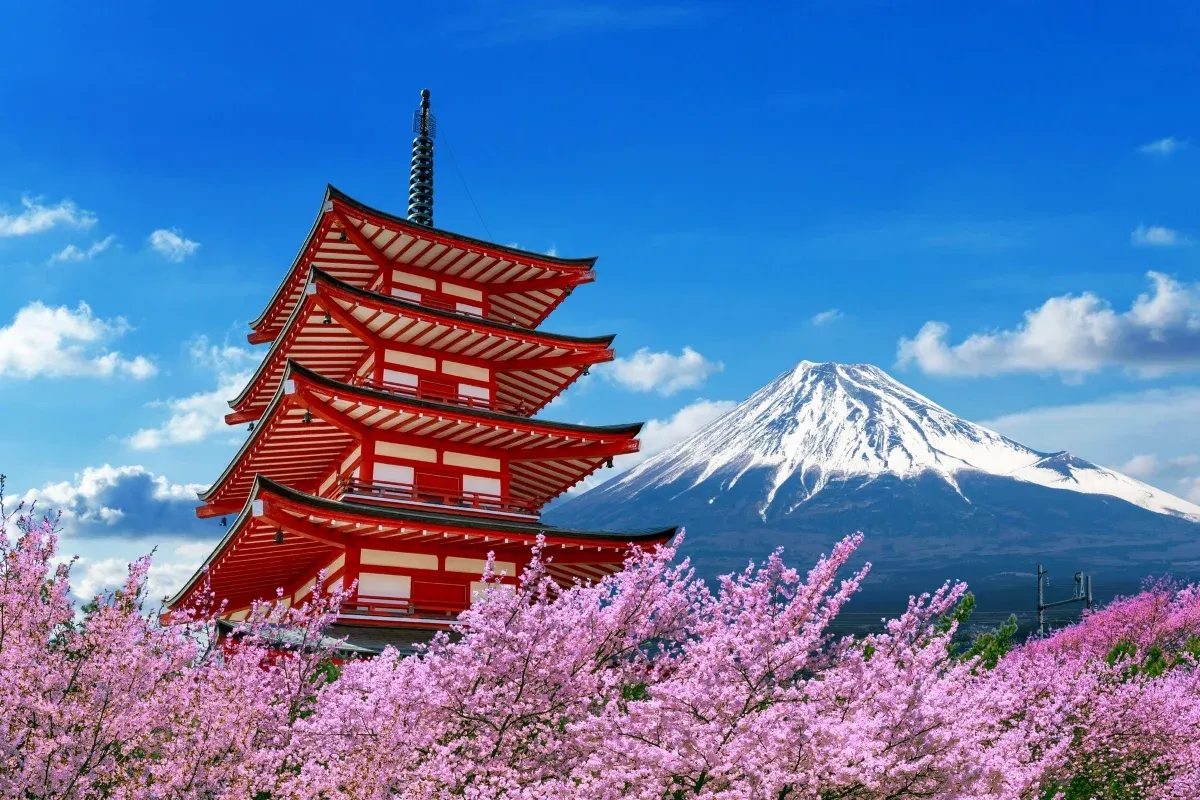
Buying property in Japan from Canada is relatively straightforward with an understanding of local rules and costs. This accessibility continues to attract Canadian buyers. From modern apartments in Tokyo to traditional homes, location and property condition play a key role in long-term value. Managing the transfer of funds is just as important to avoid unnecessary costs.
That’s where MTFX can help. Founded in 1996, MTFX offers better exchange rates than banks, transparent pricing, and expert support, helping you save money and move funds securely, on time.
Can Canadians buy property in Japan?
Yes, Canadians can legally purchase freehold property in Japan, including houses, condominiums, apartments, and land. There is generally no requirement to be a Japanese citizen or permanent resident to own real estate. This makes Japan more open to foreign buyers than many markets with ownership restrictions or extra foreign buyer taxes.
Canadians can also buy a house in Japan for personal use, investment, retirement, or as a holiday property. Japan’s land ministry reported overseas buyers accounted for 3.5% of newly built condominiums purchased in Tokyo’s 23 wards in the first half of 2025.
However, owning property in Japan does not automatically provide residency, a visa, or citizenship. Real estate ownership and immigration status are separate matters. While the buying process may involve local contracts and identity checks, Japan remains one of the more accessible countries for overseas property buyers.
Why do Canadians buy property in Japan?
Japan attracts Canadian buyers for more than one reason. Depending on their goals, they may be looking for better value, a lifestyle purchase, rental income, or long-term diversification outside Canada.
Lower entry prices in many regions
Many Canadians look at Japan because property prices in several regions can be lower than major markets like Toronto or Vancouver. While central Tokyo remains expensive, cities such as Fukuoka, Sapporo, and many regional areas can offer more space and better value. This can make it appealing to buy property in Japan as a Canadian without the same budget required in Canada’s largest cities.
| Field | Value |
|---|---|
25,730,000 | |
Banks Exchange Rate 0.0089 / 112.49 | |
Total cost 228,739.01CAD |
| Field | Value |
|---|---|
25,730,000 | |
MTFX Exchange Rate 0.0087 / 114.45 | |
Total cost 224,814.57CAD |
You Save
CAD 3,924.44
with MTFX
2 September 2026
We use mid-market rates. This is for informational purposes only. Log in to view send rates.
Lifestyle appeal and second homes
Japan offers strong lifestyle value through safety, efficient transport, quality healthcare, and clean urban environments. Buyers interested in a second home often explore ski destinations like Niseko, beach areas in Okinawa, or countryside towns with a quieter pace of life and lower ownership costs. Japan was also ranked among the world’s safest countries in the 2025 Global Peace Index.
Investment demand and diversification
Tokyo and Osaka continue to attract local and international demand, which can support rental potential in strong locations. For some buyers, japan real estate for foreign buyers is also a diversification move, giving them exposure to a different market outside Canada. This is one reason interest in properties in Japan for Canadians continues to grow.
How to buy a house in Japan as a foreigner?
The process of buying in Japan is straightforward when you understand the local steps. Most Canadian buyers benefit from using local professionals and planning their currency transfer early.
Step 1: Choose the right area and property type
Start with your goal: lifestyle, rental income, retirement, or long-term investment. You may compare urban condos in Tokyo, traditional homes in Kyoto, or resort and winter markets in Hokkaido. Many buyers begin by searching tokyo, kyoto, or sapporo property for sale based on budget and lifestyle needs.
Step 2: Understand new build vs older homes in Japan
Newer homes usually meet modern earthquake standards and may need less maintenance. Older homes can cost less, but some properties may require renovations. In Japan, land often holds value better than ageing buildings.
Step 3: Work with a licensed local real estate agent
A local agent can help with listings, negotiations, contracts, and communication. This is especially useful for Canadians buying remotely or reviewing property for sale in Japan in different regions.
Step 4: Submit an offer and letter of intent
Once you choose a property, the buyer usually submits a purchase application or letter of intent. The seller can accept, reject, or negotiate terms before moving to contract.
Step 5: Sign the contract and pay deposit
After legal disclosures, both sides sign the sale agreement. A deposit is commonly paid at this stage, often around 5% to 10% of the purchase price depending on the deal.
Step 6: Send money from Canada to Japan
Before completion, arrange your funds transfer from Canada. Many buyers use an online money transfer platform instead of a bank to convert CAD to JPY at more competitive rates and lower fees, which can reduce the total cost on large property payments. You can check out the mid-market rates with our currency calculator.

We use mid-market rates. This is for informational purposes only. Log in to view send rates.
Get competitive exchange rates and lower fees with MTFX.
Step 7: Complete settlement and title registration
On closing day, the remaining balance is paid and ownership is registered. A judicial scrivener in Japan often handles title registration and final legal paperwork.
What are the best places to buy property in Japan?
The best location depends on whether you want capital growth, rental income, lifestyle value, or a lower-cost second home. Japan offers everything from global cities to resort markets and rural bargain opportunities.
Tokyo: strong demand and global city appeal
Tokyo remains the country’s most liquid property market with strong domestic demand, major employment centres, and international appeal. Buyers looking for long-term stability often start with tokyo property for sale in well-connected wards near rail lines and business districts.
Popular areas: Shibuya, Minato, Shinjuku, Meguro, Setagaya, Koto.
Osaka: business hub with relative value
Osaka is Japan’s second major commercial centre and can offer better value than central Tokyo. It is popular with buyers seeking urban rental demand and more accessible pricing, especially when comparing osaka house for sale listings.
Popular areas: Kita, Chuo, Naniwa, Tennoji, Fukushima, Suita.
Kyoto: tourism and cultural appeal
Kyoto attracts buyers interested in heritage areas, tourism demand, and traditional neighbourhoods. Supply can be limited in prime zones, which is why kyoto property for sale is often searched by lifestyle and boutique investment buyers.
Popular areas: Nakagyo, Sakyo, Higashiyama, Shimogyo, Kita, Fushimi.
Fukuoka: growing city with lower entry costs
Fukuoka is known for a younger population, business growth, and lower prices than Tokyo or Osaka. It is often considered a smart option for buyers seeking a major city with a lower entry point.
Popular areas: Chuo, Hakata, Sawara, Jonan, Itoshima.
Sapporo: urban value in northern Japan
Sapporo combines city living with access to winter tourism and outdoor lifestyle appeal. It can attract both residents and investors, with growing interest in sapporo property for sale for year-round use or rental potential.
Popular areas: Chuo, Kita, Toyohira, Shiroishi, Atsubetsu.
Niseko/Hokkaido: ski property demand
Niseko is one of Japan’s best-known resort markets, popular with international buyers and seasonal rentals. Demand is driven by ski tourism, making Niseko houses for sale attractive for lifestyle buyers and holiday-let investors.
Popular areas: Hirafu, Hanazono, Niseko Village, Annupuri, Kutchan.
Okinawa: lifestyle and holiday home market
Okinawa offers beaches, warmer weather, and a relaxed lifestyle that differs from mainland Japan. Many overseas buyers explore Okinawa houses for sale for retirement, seasonal living, or vacation use.
Popular areas: Naha, Chatan, Onna, Yomitan, Uruma, Ginowan.
Rural Japan: low-cost akiya opportunities
Regional towns and villages can offer very low-cost homes, including akiya vacant properties. These opportunities may look attractive on price, but buyers should review renovation costs, local demand, and access to services before purchasing.
Popular areas: Nagano countryside, Gunma towns, Wakayama villages, Shikoku towns, rural Kyushu, Tohoku regions.
How much does it cost to buy property in Japan?
The total cost is more than just the listing price. Canadians should budget for taxes, legal fees, transfer costs, and possible renovations in addition to the purchase price.
What property taxes in Japan should Canadian buyers understand?
Taxes are an important part of the total ownership cost. If you plan to buy property in Japan, it is smart to understand both Japanese taxes and any Canadian reporting obligations before purchasing.
- Real estate acquisition tax: A one-time tax that may apply after purchase based on the assessed value of the property. Rates and exemptions can vary depending on the type of home and current government measures under Japan's tax rules.
- Fixed asset tax: An annual municipal tax charged to property owners based on the assessed value of land and buildings. This is one of the main recurring costs for Canadian buyers in Japan after purchase.
- City planning tax: In certain designated urban areas, an additional annual tax may apply alongside the fixed asset tax. It helps fund local infrastructure and planning services.
- Income tax on rental earnings: If you rent out the property, rental income earned in Japan may be taxable there. Allowable expenses may reduce the taxable amount, depending on the structure of ownership and use.
- Capital gains when selling: If you sell the property for a profit, capital gains tax may apply. The rate can depend on how long you owned the asset before the sale.
- Canadian tax reporting considerations: Canadians may also need to report foreign property, rental income, or gains to the Canada Revenue Agency, depending on ownership structure and value. Cross-border tax advice is often worthwhile before buying.
What should Canadians know about older homes and akiya in Japan?
Older homes in Japan can offer lower entry prices, but buyers should look beyond the headline cost. In many cases, the building may lose value faster than the land, which is why some houses are sold cheaply while the plot itself remains valuable. For Canadians, this can create opportunity, but only with careful due diligence.
Many vacant homes, known as akiya, are found in rural towns facing ageing populations and lower demand. Some municipalities encourage new buyers through grants or incentive programs, but availability and conditions vary by area.
- Depreciation works differently: In Japan, newer buildings often command higher prices, while older structures may decline in value faster than land.
- Renovation opportunities and hidden costs: A low purchase price can be attractive, but repairs for roofing, plumbing, insulation, heating, or seismic upgrades can quickly raise the real cost.
- Check zoning and utilities: Before buying, confirm road access, water supply, sewage systems, internet availability, and whether renovations or rebuilds are permitted.
- When akiya can be a smart purchase: Akiya may suit buyers looking for a lifestyle property, long-term project, or lower-cost second home in the right location with realistic renovation budgets.
How do you transfer money to purchase property in Japan from Canada?
Moving funds is one of the most overlooked parts of an overseas property purchase. For many Canadians transferring money for property purchase, the CAD to JPY exchange rate can change the final cost by thousands of dollars, especially on large deposits and closing payments.
Why CAD/JPY exchange rates matter
Even a small move in the Canadian dollar can significantly change how many yen you receive. On a CAD 500,000 transfer, a 2% weaker rate could mean about CAD 10,000 in extra cost. Therefore, you need to consider ways to avoid excessive exchange rates when buying overseas property.
Currency exchange fees to send money to Japan
Traditional banks may charge transfer fees and build a margin into the exchange rate. The listed fee is not always the full cost, so the total yen delivered matters most.
Bank vs FX specialist for large transfers
Specialist providers such as MTFX are often a stronger option for large property payments because they focus on competitive exchange rates and lower overall transfer costs. This can help buyers keep more of their budget for the property itself.
How much can buyers save with MTFX
Savings depend on the amount and market conditions, including property trends, but on six-figure transfers, improving the exchange rate by even 1% could mean thousands of dollars more in value compared with a weaker bank rate.
Timing your transfer strategy
Property purchases often involve multiple payments, such as a deposit first and the final balance later. Watching the market, planning ahead. and leverage rate alert tools can reduce the risk of converting at an unfavourable rate.
Reducing costs on deposits and final payments
Many buyers choose MTFX to send money for real estate from Canada to Japan efficiently, lock in competitive rates, and manage large transfers with specialist support throughout the purchase process.
Smarter currency transfers for your Japan property purchase
Finding the right property is only one part of the purchase. How you move your money can also affect the total cost. On large overseas transactions, even a small difference in the exchange rate can mean paying thousands more or less in Canadian dollar terms.
That is why many buyers use MTFX when purchasing property abroad. MTFX offers a more efficient way to fund your Japan property purchase from Canada with benefits such as:
- Competitive CAD to JPY rates
- Transparent pricing
- Lower overall transfer costs
- Support for large transfers
- Dedicated personal service
- Fast and secure payments
Whether you are sending a deposit or the final balance, better exchange rates can help turn more of your budget into actual buying power.
Join Canadians using MTFX for secure transfers, and fast online payments.


Your next move toward owning property in Japan
Buying property in Japan as a Canadian can be a realistic and rewarding goal when you understand the rules, costs, taxes, and risks before you commit. From major cities like Tokyo and Osaka to lifestyle markets and lower-cost regional areas, Japan offers opportunities for a wide range of buyers.
The key is to look beyond the listing price. Property taxes, building condition, resale demand, and currency exchange costs can all shape the true cost of your purchase. With the right planning and trusted local guidance, Canadians buying property in Japan can approach the process with far more confidence.
Ready to buy property in Japan? MTFX makes it easy to send large transfers to Japan with competitive exchange rates, lower fees, and expert support from start to finish.
FAQs
1. Can I buy a house in Japan as a foreigner?
Japan is one of the more open markets for overseas ownership, and foreigners can generally own houses, condos, apartments, and land without needing citizenship or permanent residency. This makes buying property in Japan accessible for overseas buyers. Many international buyers choose between major cities, resort areas, and regional markets based on their goals and budget.
2. How much does it cost to buy a house in Japan?
The cost depends on the city, size, age, location of the property, and whether it is a leasehold. Smaller-town homes may cost far less than prime city real estate, while central Tokyo can be significantly more expensive. Buyers should also budget for taxes and fees for japan property, including acquisition tax, registration costs, legal fees, agent commissions, and transfer-related charges.
3. How to finance property in Japan as a foreigner?
Financing options depend on your residency status, income source, and lender requirements. Residents in Japan often have more mortgage choices, while non-residents may face stricter lending criteria or need a larger down payment. If borrowing locally, compare options for a mortgage in Japan for foreigners before committing.
4. Is buying property in Japan a good investment?
It can be, but it depends on location and strategy. Prime areas in Tokyo and Osaka may offer stronger rental demand and resale liquidity, while lifestyle markets may suit personal-use buyers more than investors. Many overseas buyers consider japan real estate for foreign buyers as a long-term diversification opportunity.
5. How to send money to pay for your property overseas?
The smartest approach is to plan early and compare providers before funds are due. Large international payments often involve deposits first and final balances later, so exchange rates matter. Using a specialist provider can reduce the total cost when you transfer money for a property purchase overseas.
6. What is the best way to transfer large money to Japan?
For large transfers, many buyers prefer specialist FX providers that offer competitive rates, transparent pricing, and support for high-value payments. The best option is usually the one that delivers the most yen after all fees and exchange costs are included.
7. How to get the best exchange rates for property purchases in Japan?
Start monitoring CAD to JPY rates early rather than waiting until the payment deadline. Compare providers, ask for live quotes, and avoid focusing only on visible transfer fees. A stronger exchange rate can save thousands on large purchases when you buy a house in Japan.
8. Can Canadians get a mortgage in Japan?
Yes, but eligibility depends on residency, visa status, income, employment history, and the lender’s rules. Canadians living and working in Japan may have more options than non-residents buying from abroad. Some banks lend to foreign residents, while others are more restrictive.