9 Affordable Winter Destinations for Canadian Snowbirds in 2026-27
Compare nine winter destinations across the United States, Mexico, Europe, Central America and the Caribbean. This practical overview covers planning ranges, climate, stay rules, healthcare, transportation and currency exposure for Canadian snowbirds.
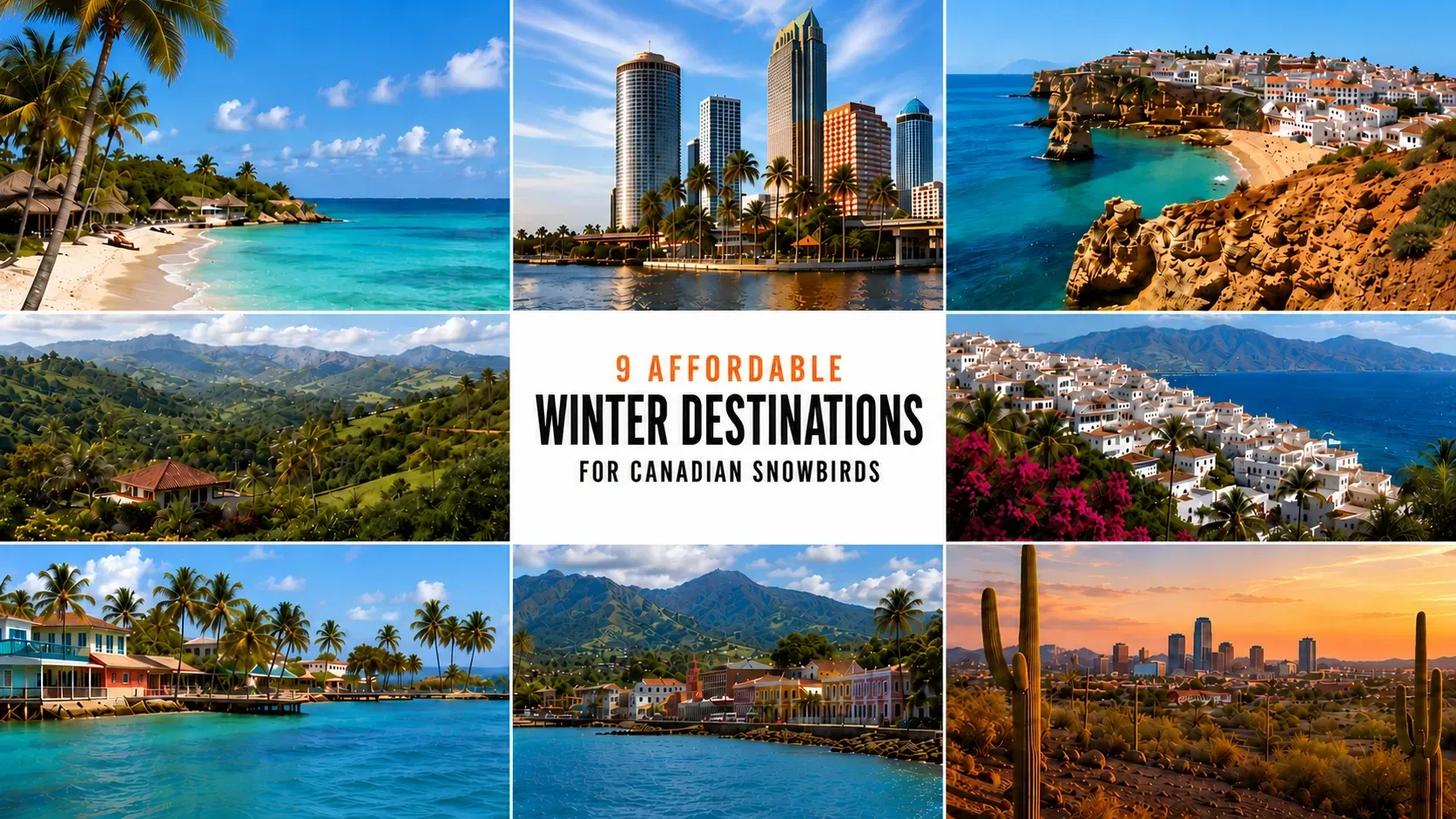
For Canadian snowbirds, the most affordable winter destination is not always the one with the lowest rent. The real value becomes clearer when you compare accommodation, groceries, local transportation, travel insurance, healthcare access, permitted stay and the effect of converting Canadian dollars into another currency.
Quick overview: Corozal, Atenas, Puerto Plata and Boquete are among the most affordable winter destinations for Canadian snowbirds in 2026-27. Playa del Carmen offers greater beachside convenience, while the Algarve and Costa del Sol suit travellers who prefer mild European winters. Tampa Bay and Phoenix cost more but provide familiar services.
This guide is for Canadians planning a winter stay of one to several months. It compares nine destinations across the United States, Mexico, Europe, Central America and the Caribbean, with practical cost ranges and the trade-offs that matter when you are living somewhere rather than simply visiting for a week.
Prices, exchange rates and entry rules can change. The figures below are planning estimates checked in August 2026, not quotes or guarantees. Confirm your accommodation, insurance and official entry requirements before booking.
What makes a snowbird destination affordable in 2026-27?
A destination is affordable when its total seasonal cost works for your household. Rent matters, but so do transportation, insurance, utilities, food, entry requirements and foreign-exchange costs.
The monthly ranges in this guide are intended for two adults renting a furnished one-bedroom or modest two-bedroom home outside the most expensive neighbourhoods. They include basic utilities, groceries, local transportation and some dining out. They do not include flights, travel medical insurance, major healthcare, visa or extension fees, car rental, luxury purchases or side trips.
Short winter leases can also cost more than twelve-month local rentals. A beachfront condo booked for January may bear little resemblance to the average rent shown on a cost-of-living website.
To keep the currency comparisons consistent, foreign amounts were rounded into Canadian dollars using indicative mid-market rates available on August 11, 2026: approximately C$1.394 per US dollar and C$1.608 per euro. Because those rates move, base any final comparison on live CAD exchange rates rather than these static assumptions.
| Field | Value |
|---|---|
Amount Payable (USD) 15,000 | |
Bank Exchange Rate 1.4138 / 0.7073 | |
Total cost 21,207.64CAD |
| Field | Value |
|---|---|
Amount Payable (USD) 15,000 | |
MTFX Exchange Rate 1.3896 / 0.7196 | |
Total cost 20,843.78CAD |
You Save
CAD 363.86
with MTFX
13 September 2026
We use mid-market rates. This is for informational purposes only. Log in to view send rates.
When comparing destinations, look at the same factors each time:
- Accommodation: Is the price for a true long-stay rental or a short holiday booking?
- Daily living: How much will groceries, utilities, dining and transportation add?
- Stay rules: Can you legally remain for the full winter without an extension or visa?
- Healthcare: What care is available nearby, and what must your insurance cover?
- Currency: Will you spend in US dollars, euros or a local currency linked to the US dollar?
- Practical fit: Can you walk to daily needs, or will you need a vehicle?
- Main drawback: What inconvenience or cost might make the destination unsuitable for you?
How do these affordable snowbird destinations compare?
The table below is a starting point, not a final budget. It makes the biggest differences visible before you spend hours comparing individual rentals.
The US entries are not the least expensive choices on this list. Their value is convenience: familiar services, direct access and large snowbird communities. Corozal, Atenas, Puerto Plata and Boquete generally offer lower local costs, but they require more planning around transportation, healthcare and entry procedures.
Which affordable winter destinations should Canadian snowbirds consider?
Each destination suits a different kind of snowbird. The right choice depends on whether you value beach weather, medical access, walkability, familiar services, a long visitor stay or the lowest possible monthly cost.
1. Playa del Carmen, Mexico: beach convenience with resort-area pricing
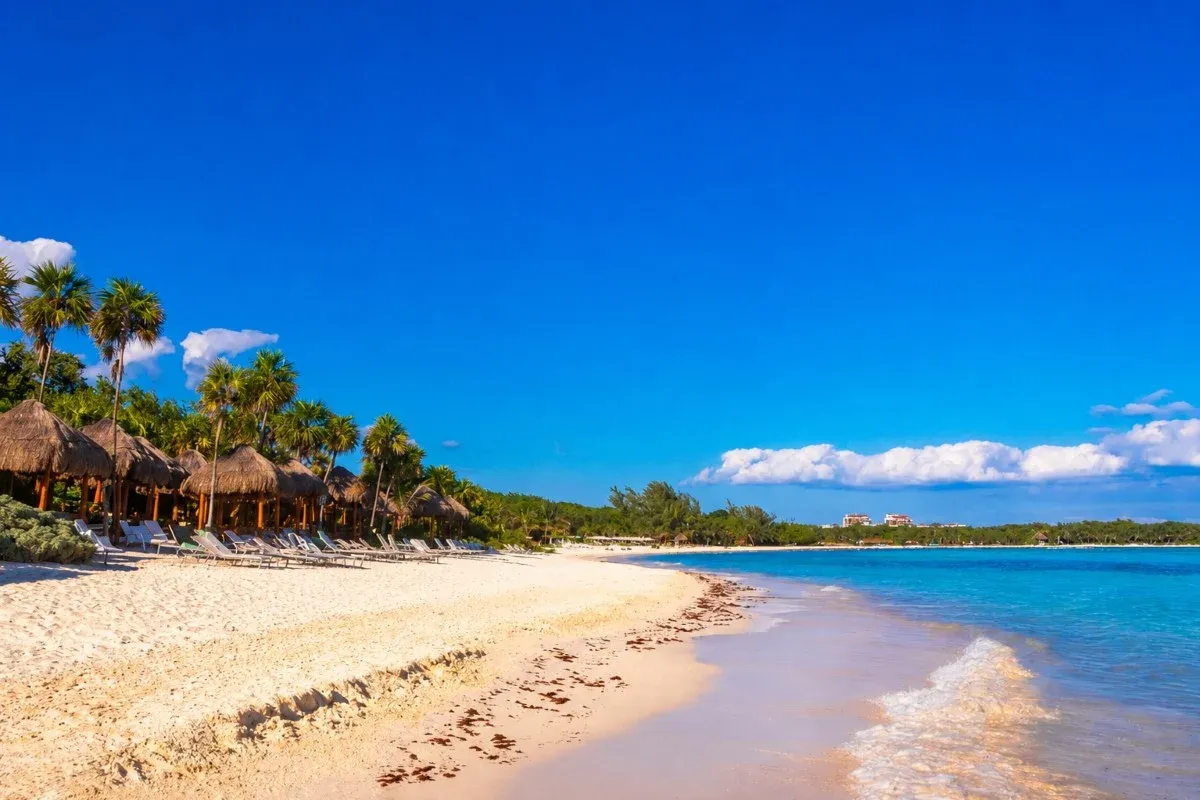
Playa del Carmen works well for snowbirds who want a warm Caribbean climate, a walkable centre and an established community of international residents. It is convenient, but it is no longer the bargain that some older travel information suggests.
Planning range
Plan on C$3,000-C$4,800 per month for two adults. A 2026 Playa del Carmen cost breakdown places comfortable monthly living in a broad US$1,400-US$2,500 range, with rent near the beach costing much more than in local neighbourhoods. A furnished winter rental, imported groceries and frequent meals along Fifth Avenue can quickly move a couple toward the upper end of the Canadian-dollar range.
Weather and day-to-day living
Winter days are typically hot enough for the beach, and the central area makes it possible to handle many errands on foot. Living farther from the tourist core may reduce rent, but it can add taxi or local transportation costs. Ask whether electricity is included because regular air-conditioning can materially change the monthly total.
Entry and stay rules
Canadians do not need a tourist visa for stays of up to 180 days, but the immigration official records the number of days actually granted. Check that period when you enter rather than assuming you automatically received the maximum.
Healthcare, safety and currency
The Mexican peso is the official currency. Tourist businesses may quote prices in US dollars, but paying in pesos can make costs easier to compare and may avoid an unfavourable merchant conversion. Confirm the price and currency before agreeing to a rental or large purchase.
Canada currently advises travellers to exercise a high degree of caution in Mexico, with stronger regional advisories in some areas. Review the current Quintana Roo information, nearby medical options and your insurance terms before travelling.
Main drawback
The most convenient beach areas carry resort prices, and safety requires more attention than in many European destinations.
2. Tampa Bay, Florida: familiar, accessible and tied to the US dollar

Why it works for snowbirds
Tampa Bay appeals to Canadians who want direct flights, familiar stores, English-language services and access to a large urban healthcare network. It is easier to settle into than many destinations, but affordability depends heavily on rent and the CAD/USD rate when sending money to the US from Canada.
Planning range
Plan on C$6,500-C$8,500 per month for two adults. Current 2026 Tampa cost data places the average monthly cost for a couple at roughly US$5,470 including rent. Winter furnishings, a car, insurance and a location near the Gulf can raise that figure. Travellers who stay inland or choose a less central neighbourhood may spend less.
Weather and day-to-day living
Winter is generally mild, although cold fronts can bring cooler days. A vehicle is useful in much of the region, so include fuel, insurance, parking and any rental-car cost. Gulf Coast communities, inland towns and south Florida also have very different rental patterns; where Canadian snowbirds stay in Florida can materially change the seasonal total.
Entry and stay rules
Canadian visitors can usually be admitted for up to six months without a visa, but the US border officer determines the authorised stay. Visitors remaining more than 30 days must also comply with US registration requirements and should verify their I-94 record. Canada's current US travel guidance explains both points.
Healthcare, safety and currency
Tampa Bay has a broad medical network, but treatment in the United States can be extremely expensive without suitable insurance. Every major expense is in US dollars, including rent, groceries, healthcare and vehicle costs, so a weaker Canadian dollar can affect almost the entire budget at once.
Main drawback
Tampa Bay offers convenience rather than rock-bottom prices. USD exposure, car dependence and medical costs require a generous buffer.
3. The Algarve, Portugal: a mild European winter rather than tropical heat
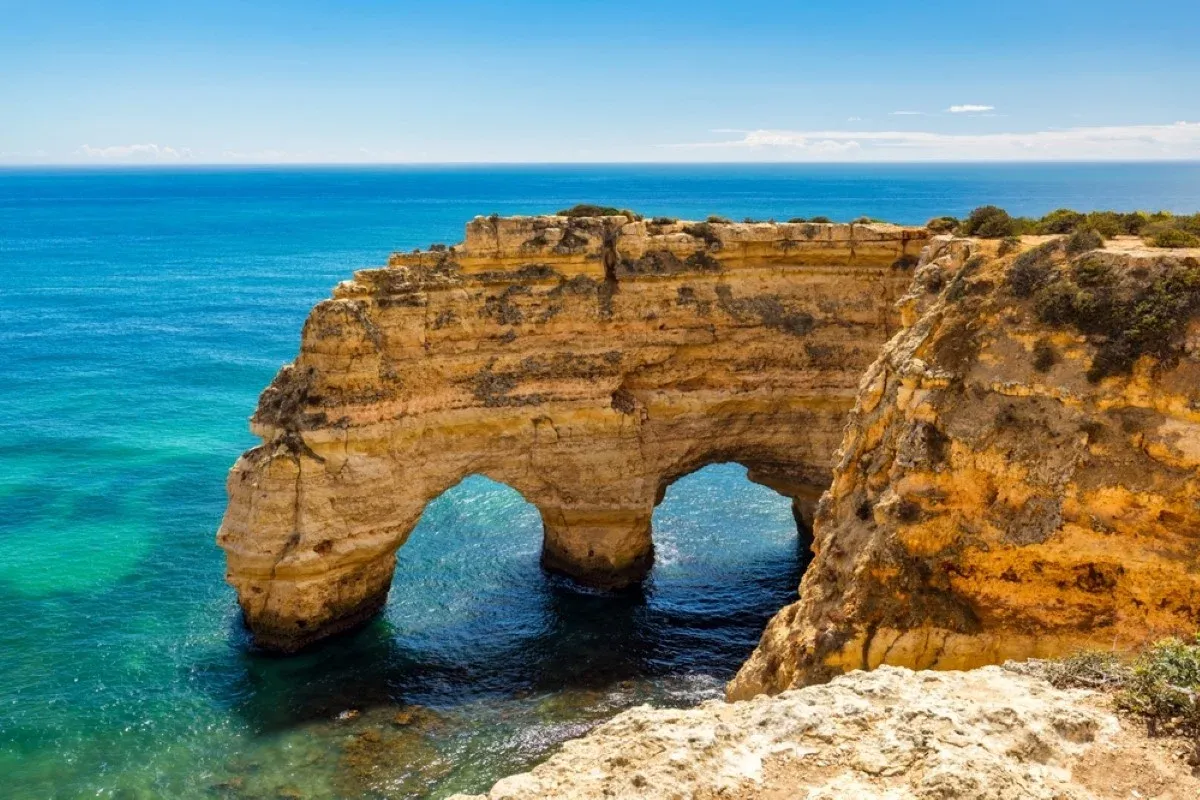
Why it works for snowbirds
The Algarve suits Canadians who prefer coastal walks, historic towns, local markets and a quieter European winter. It is mild and often sunny, but it should not be mistaken for a hot beach escape in January.
Planning range
Plan on C$3,800-C$5,200 per month for two adults. A current 2026 cost estimate for Faro places a one-bedroom rent near EUR1,060 and a single-person monthly budget around EUR1,630. A couple sharing rent may land within the range above, although furnished coastal properties, heating and a rental car can add considerably.
Weather and day-to-day living
Daytime temperatures are comfortable for walking, but evenings can be cool and rainy. Older homes may feel colder than the outdoor temperature suggests, so check insulation, heating type and utility terms before signing a lease. Larger towns such as Faro and Lagos remain more practical out of season than small resort communities.
Entry and stay rules
Portugal is part of the Schengen Area. Canadians may normally visit visa-free for no more than 90 days in any 180-day period across all Schengen countries combined. Applications for ETIAS were not yet open when Portugal's official Canadian travel guidance was updated on August 11, 2026, so use only the official European site if that changes before departure.
Healthcare, safety and currency
Portugal uses the euro, so accommodation and daily expenses create EUR/CAD exposure. Decide how you would reach a clinic from your chosen town, confirm whether a private facility expects upfront payment and make sure your insurance covers the entire stay.
Main drawback
The Algarve is pleasant rather than hot, and some resort businesses reduce their hours outside the main season.
4. Atenas, Costa Rica: spring-like weather away from resort corridors
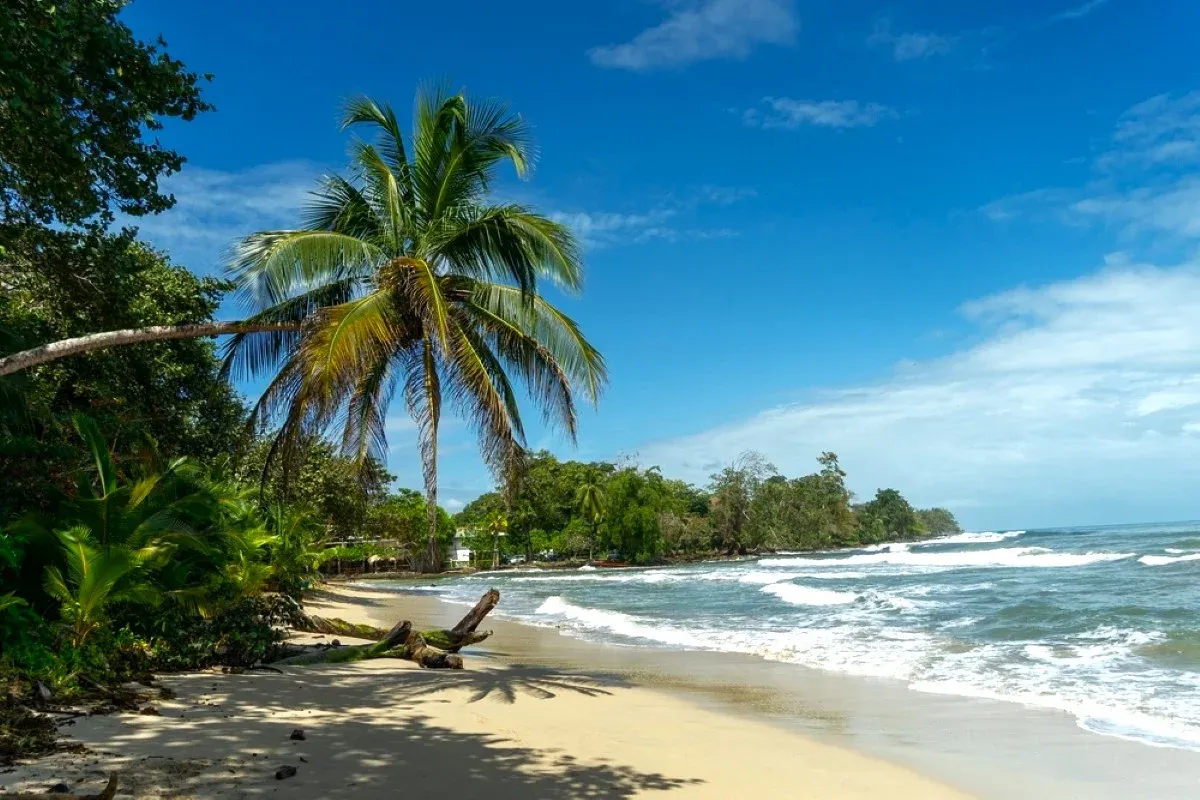
Why it works for snowbirds
Atenas is a useful alternative for snowbirds who like Costa Rica but do not want to pay peak coastal-resort prices. Its inland elevation brings warm days and cooler evenings, while San Jose and the international airport remain within reach.
Planning range
Plan on C$2,800-C$4,200 per month for two adults. A detailed 2026 Atenas cost guide places a comfortable lifestyle around US$2,000-US$3,000 monthly, with housing and vehicle use creating most of the variation. Local food keeps costs down; imported products and heavy air-conditioning use do the opposite.
Weather and day-to-day living
Atenas is not a beach town, and daily life is less walkable than many people expect. A car or regular taxis may be necessary, especially if your rental is outside the centre. If that slower, non-resort setting is part of the appeal, other less conventional winter escapes may suit you for similar reasons.
Entry and stay rules
Canadian tourists do not need a visa for stays of up to 180 days, but the immigration officer decides the permitted period on arrival. Canada's travel advice for Costa Rica notes that visitors may be asked for an onward ticket and proof of sufficient funds.
Healthcare, safety and currency
Routine services are available locally, while more complex healthcare may mean travelling toward San Jose. The Costa Rican colon is the national currency. Canadian dollars are difficult to exchange locally, while US dollars are easier to convert, so confirm the most practical payment currency for rent and other large expenses.
Main drawback
A vehicle can turn an inexpensive inland stay into a more costly one, and specialist healthcare is not always close by.
5. Costa del Sol, Spain: walkable towns with a wide rent range

Why it works for snowbirds
The Costa del Sol can work for Canadians seeking a mild winter, public transportation and a lively European community. The key is choosing the town carefully. Marbella's prime areas and a modest older apartment in Fuengirola are not part of the same price category.
Planning range
Plan on C$3,700-C$6,400 per month for two adults. A June 2026 Costa del Sol cost analysis estimates roughly EUR2,300 per month for a couple using an older, lower-cost rental and close to EUR4,000 for prime newer accommodation. Rent is the main swing factor.
Weather and day-to-day living
Fuengirola, Torremolinos and central Malaga can be practical without a car because of rail and bus connections. Estepona offers a quieter feel but may require more transportation planning. Winter days are often comfortable for walking, although evenings can be cool and wet.
Entry and stay rules
Spain follows the same Schengen limit as Portugal: Canadians may normally stay for up to 90 days in any 180-day period across the whole Schengen Area. Canada's travel guidance for Spain also explains the Entry/Exit System. Longer stays require the appropriate national authorization arranged in advance.
Healthcare, safety and currency
Spain uses the euro. Check how far your rental is from the medical services you would want to use and whether your insurer can arrange direct billing. Converting each destination's estimated monthly cost into Canadian dollars also makes it easier to compare a Spanish rental with options priced in pesos or US dollars. The displayed mid-market rate is informational, and the customer transfer rate may differ.
Main drawback
The phrase "Costa del Sol" covers a very wide price range. A premium coastal rental can erase the day-to-day savings quickly.
6. Corozal, Belize: an English-speaking alternative to expensive island living
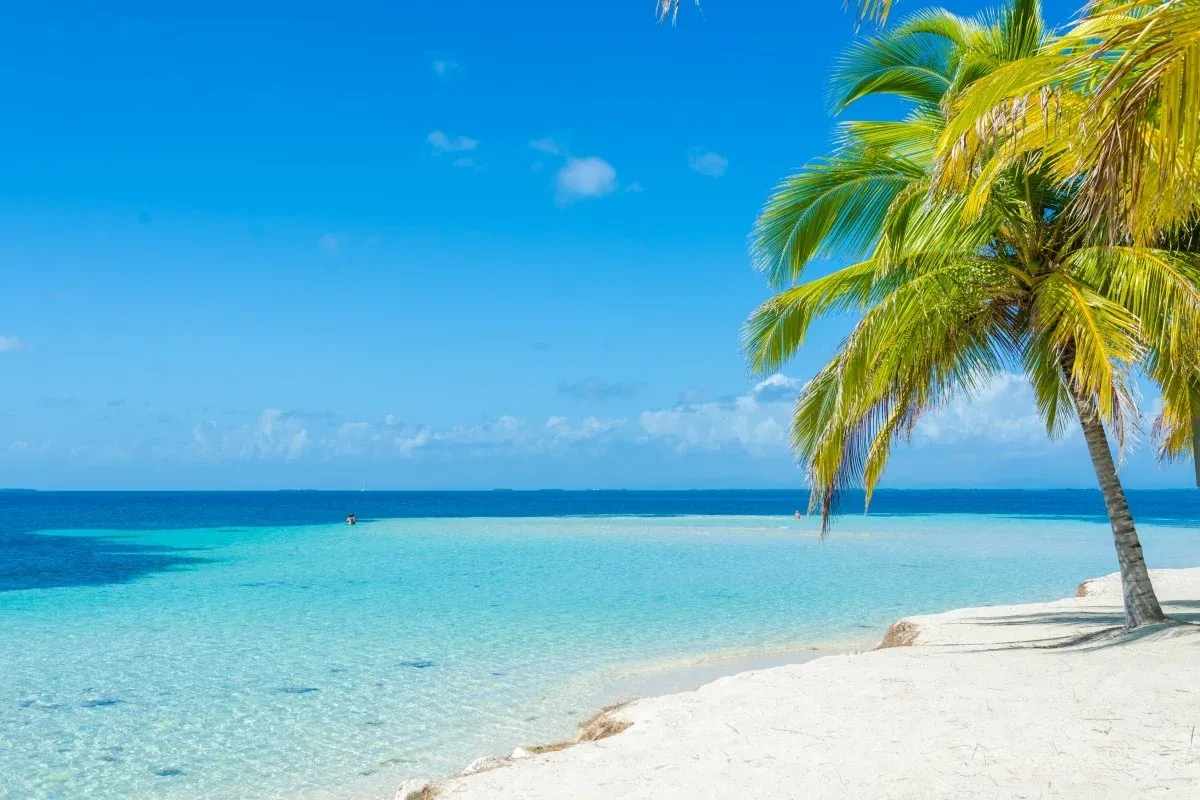
Why it works for snowbirds
Corozal is a stronger budget choice than Ambergris Caye for snowbirds who want Belize's warm climate and English-speaking environment without the cost of a premium island destination. It is quieter and less polished, which is both the appeal and the trade-off.
Planning range
Plan on C$2,500-C$4,200 per month for two adults. A current Belize retirement-cost comparison places a modest Corozal or Cayo couple around US$1,500-US$2,500 monthly, while premium Ambergris Caye living can reach US$3,500-US$5,500. Renters should confirm whether a quoted budget assumes an owned home because that can change the total substantially.
Weather and day-to-day living
Corozal is warm throughout the Canadian winter and quieter than Belize's main island destinations. Imported groceries and regular air-conditioning can be surprisingly expensive, while the smaller range of entertainment and services may suit travellers who prefer a slower routine.
Entry and stay rules
Canadians do not need a tourist visa for stays of up to 30 days. Longer stays require an application to Belizean immigration authorities, and travellers must complete the country's online declaration form. Recheck Canada's travel advice for Belize before departure.
Healthcare, safety and currency
Routine care is available, but more complex treatment may require travel within Belize or to a neighbouring country. Insurance that covers medical evacuation deserves careful attention. The Belize dollar is fixed at two Belize dollars to one US dollar, making the arithmetic simple while still creating indirect USD exposure for Canadians.
Main drawback
Corozal offers lower costs than the islands, but healthcare depth, transportation and entertainment are more limited.
7. Puerto Plata, Dominican Republic: Caribbean warmth beyond the resort gate
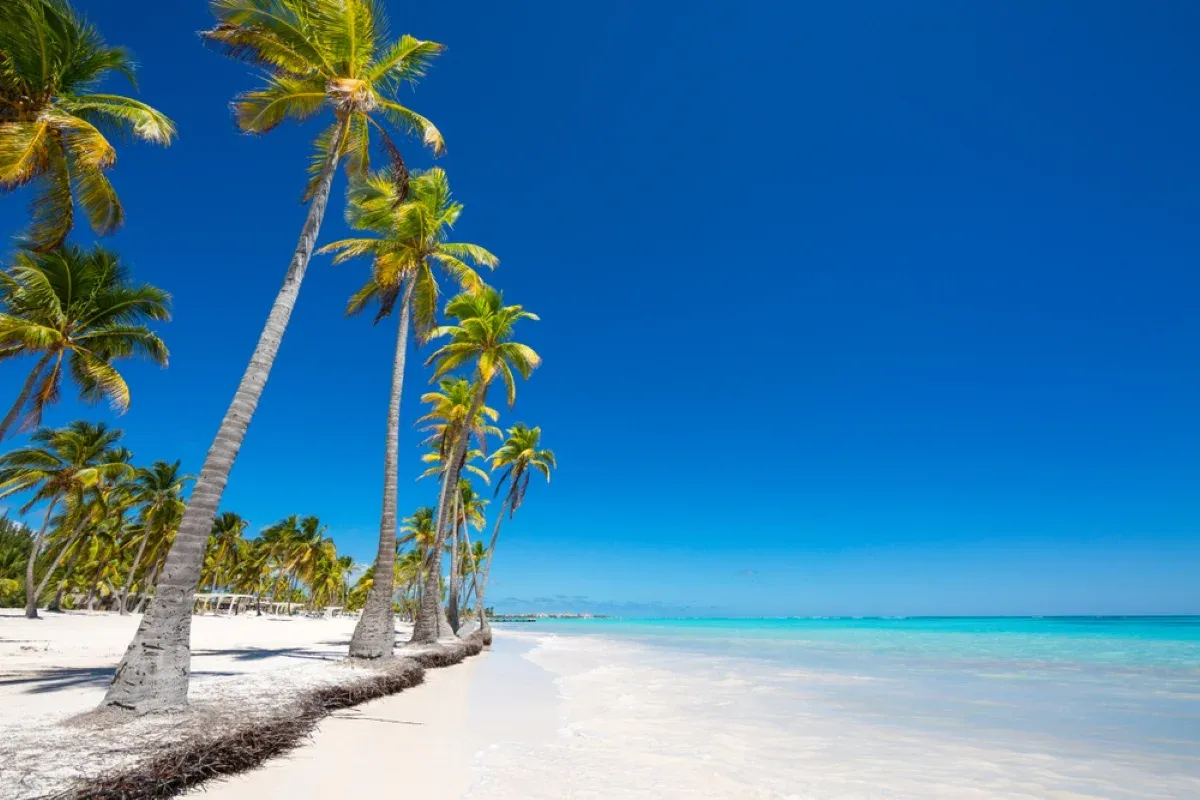
Why it works for snowbirds
Puerto Plata can suit snowbirds who want a genuinely warm Caribbean winter and are comfortable living beyond an all-inclusive resort. Residential neighbourhoods and local markets offer a different cost structure from beachfront hotel zones.
Planning range
Plan on C$2,800-C$4,200 per month for two adults. A 2026 Puerto Plata cost estimate places average monthly living for a couple at about US$2,380 including rent. Furnished winter accommodation, private healthcare and frequent tourist-area dining can lift the total.
Weather and day-to-day living
Puerto Plata provides reliable winter warmth, but your experience will depend on whether you live in a residential area, a gated development or a resort zone. Taxis, imported food and tourist-area restaurants can pull a seemingly low local budget upward.
Entry and stay rules
Canadian tourists do not require a visa for up to 30 days. Travellers must complete an electronic entry and exit form, and a stay extension of up to 120 days may be requested before the initial tourist period expires. Canada's travel advice for the Dominican Republic outlines the current requirements.
Healthcare, safety and currency
Private clinics are available, but the depth of care varies. Discuss medication needs, medical evacuation and access to a preferred hospital with your insurer before a long stay. The Dominican peso is the national currency, although some rentals and tourism services are quoted in US dollars. Confirm whether a landlord expects DOP or USD and which exchange rate applies before sending a deposit.
Main drawback
A low local budget can rise sharply when a traveller relies on resort services, imported products, taxis and private healthcare.
8. Boquete, Panama: cooler highland living in a US-dollar economy
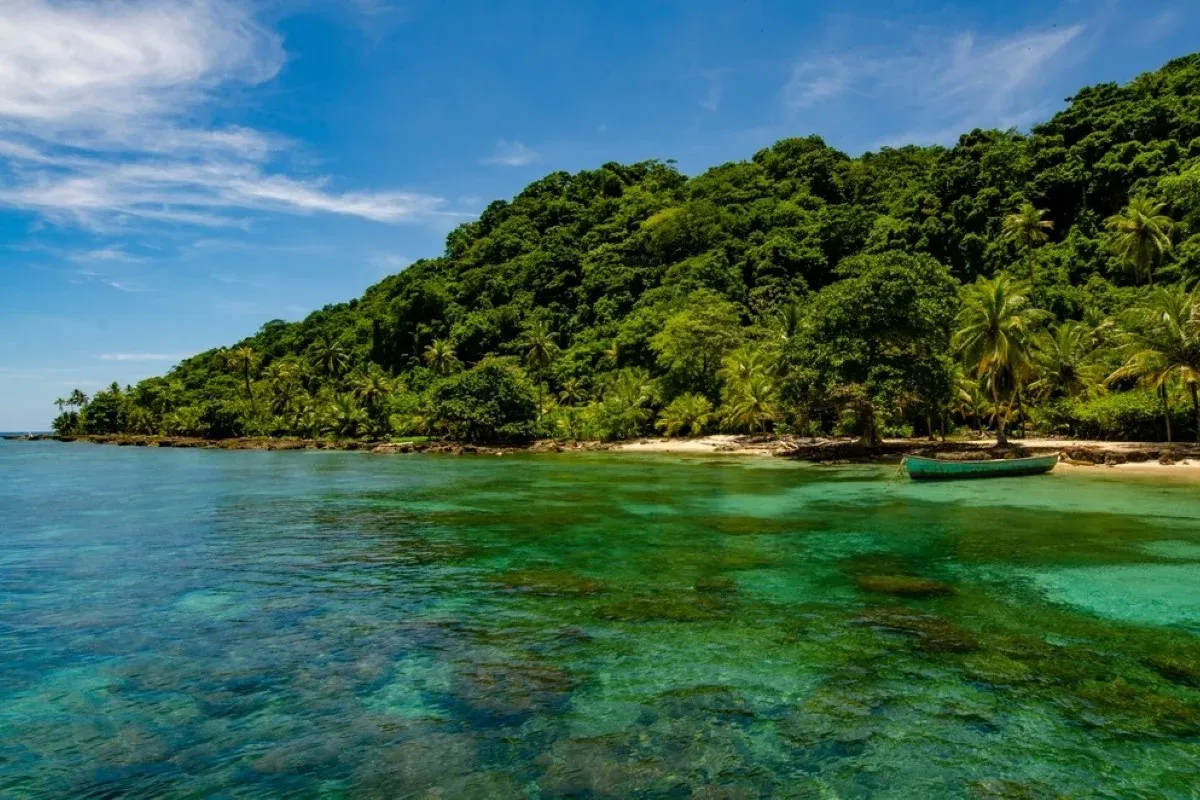
Why it works for snowbirds
Boquete is well suited to Canadians who want to escape snow without living in tropical heat. Its elevation creates spring-like days, cooler nights and lower air-conditioning needs, while the nearby city of David provides larger hospitals and shopping.
Planning range
Plan on C$2,700-C$4,200 per month for two adults. A current Boquete retiree budget places comfortable living for a couple around US$1,800-US$2,600 monthly, including housing, food, healthcare and entertainment. A furnished two-bedroom house is estimated at roughly US$700-US$1,500, depending on location and amenities.
Weather and day-to-day living
Cooler highland weather makes walking and outdoor activity more comfortable than in many tropical locations, but nights can feel chilly. A home outside the centre may offer more space and quiet while increasing the need for taxis or a vehicle.
Entry and stay rules
Canadian tourists do not need a visa for stays of up to 180 days. Panama may ask for an onward ticket, proof of funds and biometric registration at entry. Canada's travel advice for Panama also identifies regions subject to stronger warnings, well away from Boquete.
Healthcare, safety and currency
Routine needs can often be handled locally, while serious medical care usually means travelling to David or Panama City. Panama uses the balboa and the US dollar at equal value, and US paper currency circulates widely. The budget is therefore effectively exposed to USD/CAD even though the local cost base is lower than in the United States.
Main drawback
Boquete is not a hot beach destination, and serious medical needs may involve substantial travel.
9. Phoenix, Arizona: a dry winter with significant vehicle costs

Why it works for snowbirds
Phoenix attracts Canadian snowbirds who enjoy sunshine, golf, hiking and a large metropolitan service network. It can be less expensive than some premium US coastal markets, but it remains one of the higher-cost choices in this comparison.
Planning range
Plan on C$6,000-C$8,200 per month for two adults. Current 2026 Phoenix cost data places average monthly living for a couple around US$5,145, including rent. Phoenix one-bedroom rents were averaging about US$1,400 in August 2026, but furnished seasonal accommodation can cost more than a standard annual lease.
Weather and day-to-day living
Winter days are generally sunny and dry, but desert nights can be cool. Phoenix is spread out, so living near the places you use most can reduce driving even though many snowbirds still need a vehicle. Phoenix is one of several US winter destinations popular with Canadians, but its dry climate comes with substantial fuel, insurance, parking and possible rental-car costs.
Entry and stay rules
The same US admission, registration and I-94 considerations described for Florida apply in Arizona. The authorised period is decided at the border, not by the length of your rental.
Healthcare, safety and currency
The city has a large medical network, but adequate travel medical insurance remains essential. Every major expense is in US dollars, so rent, groceries, healthcare and transportation can all become more expensive in Canadian dollar terms at the same time.
Main drawback
Dry weather and access are attractive, but vehicle dependence and USD exposure make Phoenix much more expensive than the lower-cost Central American choices.
How do US and non-US snowbird destinations compare for Canadians?
US destinations are generally easier to reach and more familiar, but they place almost the entire winter budget in US dollars. Non-US destinations may have lower local costs, yet entry procedures, healthcare access, language and infrastructure require more homework.
The comparison becomes clearer when you ask one practical question: What will this destination cost in Canadian dollars for the full season? A US city with direct flights may still be the right answer if it removes the need for complicated local travel. A less expensive inland destination may disappoint if you have to rent a car and make frequent trips for healthcare.
How can exchange rates change your winter budget?
Exchange-rate movements can change several parts of a snowbird budget at once, even when the foreign-currency prices do not move. Over a stay of several months, the effect can show up in rent, card purchases, cash withdrawals, recurring transfers and emergency funds.
Fixed accommodation costs can rise in Canadian dollars
A lease may fix your rent in US dollars or euros, but it does not fix the amount of Canadian dollars needed to pay it. Consider a US$20,000 seasonal budget. It costs about C$27,027 when C$1 buys US$0.74 and about C$28,571 when C$1 buys US$0.70. That four-cent move adds roughly C$1,544 before fees or provider markups.
For a US winter, compare the amount due against the current USD value in Canadian dollars before committing to a deposit or final payment.
The same principle applies in Europe. A EUR2,500 monthly budget equals C$3,875 at C$1.55 per euro and C$4,050 at C$1.62 per euro, a C$175 monthly difference. Checking the current euro value in Canadian dollars helps keep the lease comparison grounded in what will leave your Canadian account.
Card purchases and cash withdrawals may use different rates
The exchange rate in a news report is usually a mid-market reference rate. A card issuer or ATM operator may apply a different conversion rate, add a foreign-transaction fee or offer dynamic currency conversion at the point of sale. If a card adds 2.5% to C$5,000 of winter purchases, that is another C$125.
When a terminal asks whether you want to pay in Canadian dollars or the local currency, choosing Canadian dollars can allow the merchant or its payment provider to set the conversion. Read the screen carefully, know your card's terms and compare the final Canadian dollar cost.
Repeated conversions can compound fees and markups
Small transactions can feel harmless in isolation. Across rent, utilities and living expenses, however, several conversions may repeat the same fixed fee or exchange-rate markup. Five monthly transfers with a C$10 fee create C$50 in fees before any rate difference is considered.
Compare the customer exchange rate, all fees and the final amount delivered in the destination currency. The advertised fee alone does not show the complete conversion cost.
USD-linked destinations still create currency exposure
A country does not have to be the United States for its costs to move with USD/CAD. Panama uses the US dollar alongside the balboa, and the Belize dollar is fixed at two Belize dollars per US dollar. Rentals in Mexico, Costa Rica and the Dominican Republic may also be quoted in US dollars even though the national currency is different.
Before paying a landlord, ask which currency controls the contract, whether the amount can change and which rate will be used if payment is made in another currency.
Market movements can change the value of your emergency reserve
An emergency fund held entirely in Canadian dollars may buy less local currency after an unfavourable move. A reserve should therefore be large enough to absorb both an unexpected expense and some exchange rate movement, particularly in the United States where medical and transportation bills can be substantial.
Forecasts can inform planning but cannot predict your rate
Recent and longer-term currency movements can provide context for a seasonal budget, but they cannot tell you exactly what will happen by the next rent deadline.
Compare FX rates and save more on overseas payments.
In July 2026, five-bank averages in the Canadian dollar outlook pointed to possible gradual CAD improvement against the US dollar later in 2026, while EUR/CAD was expected to remain broadly range-bound. That was a planning scenario, not a promise. Trade policy, interest rates, inflation, oil and global events can change the outlook quickly.
One practical way to limit deadline pressure is to separate the budget into three parts:
- Fixed payments: Deposits, rent and insurance with firm due dates.
- Recurring costs: Monthly living expenses that can be converted in stages.
- Emergency funds: A reserve that remains available if the exchange rate moves against you or an unexpected expense appears.
What is the best way to transfer money for a winter stay?
The right transfer method depends on the amount, currency, deadline and level of support you need. Compare the customer exchange rate, all fees and the final amount received before confirming a payment.
When a landlord or property manager accepts a bank transfer, sending a personal international payment can suit planned accommodation costs, larger amounts or recurring winter expenses. Confirm that the currency and destination are supported before arranging the payment.
Across a five-month US stay, repeated CAD-to-USD transfers can magnify even a small markup or fixed fee. Compare the assumptions with your own bank quote, transfer amount and amount the recipient will receive.
If your payment date is flexible, set a target-rate alert for the currency you need. An alert does not guarantee that the same customer rate will be available when you act, but it can reduce the need to monitor the market constantly.
MTFX is Canadian-based, has served clients since 1996 and is regulated by FINTRAC. Before sending money, confirm the recipient's banking information independently, especially when paying a new landlord or property manager.
What should Canadian snowbirds check before booking?
Before committing to a winter rental, verify the complete budget, permitted stay, official advisory, insurance, provincial health coverage, tax-residency considerations and payment plan.
- Build the full budget in Canadian dollars. Include rent, deposits, utilities, groceries, transportation, flights, insurance, medication, entertainment, exchange costs and an emergency reserve.
- Confirm the length of stay you were granted. A country's maximum visitor period is not an automatic entitlement. Check your passport stamp, admission record or immigration document after entry.
- Review the official travel advisory twice. Check it when you shortlist the destination and again shortly before departure. Regional warnings can be more important than the country's overall risk level.
- Confirm provincial or territorial health-plan rules. Absence limits and reimbursement rules vary. Do not assume your Canadian card will cover treatment abroad.
- Buy suitable travel medical insurance. The Government of Canada warns that a provincial or territorial plan may cover little or none of foreign medical costs. Its travel-insurance guidance recommends checking pre-existing-condition rules, hospitalization and medical evacuation.
- Consider tax residency. Spending part of the year abroad does not automatically end Canadian tax residency. The CRA explains that many Canadians who keep significant residential ties remain factual residents while temporarily outside Canada. Individual situations can differ, so obtain professional advice when needed.
- Review the rental contract carefully. Confirm the legal name of the landlord, payment currency, deposit conditions, cancellation terms, utilities, maintenance responsibilities and refund process. Verify banking instructions through a second channel before transferring a large deposit.
- Plan the currency payments. Decide what must be paid now, what will be due monthly and how much of the budget should remain in reserve. Keep your travel decision separate from a short-term market forecast.


Pack the plan before you pack the sunscreen
The best snowbird destination is the one that remains comfortable after the full budget and practical details are on the table. Playa del Carmen, Corozal, Puerto Plata, Atenas and Boquete may offer lower local costs. Tampa Bay and Phoenix provide familiar services at a higher Canadian dollar price. The Algarve and Costa del Sol offer a European rhythm, but their mild climate and Schengen limits need to match your plans.
Shortlist two or three destinations, price the same style of accommodation in each, and convert the complete seasonal cost into Canadian dollars. Once the dates and payment amounts are clearer, you can compare the current exchange rate, set an alert or discuss a planned transfer with MTFX rather than leaving the currency decision until the payment deadline.
Create your personal MTFX account in minutes and talk to a currency specialist today.
FAQs
1. What are the most affordable snowbird destinations for Canadians in 2026-27?
Corozal, Puerto Plata, Atenas and Boquete are among the lower-cost choices in this comparison. The most affordable option for you will still depend on rent, transportation, insurance, healthcare needs and the exchange rate used for your payments.
2. What is the cheapest place for a Canadian snowbird to spend the winter?
There is no single cheapest destination for every traveller. Corozal can have low local costs, while Atenas and Boquete may offer good value for couples comfortable with inland or highland living. Compare actual furnished winter rentals rather than annual local averages.
3. Where can Canadian snowbirds go outside the United States?
Canadian snowbirds can consider Mexico, Costa Rica, Belize, the Dominican Republic, Panama, Portugal and Spain, among many other destinations. Entry limits, healthcare, advisories and currency exposure differ, so each country should be evaluated separately.
4. How long can a Canadian snowbird stay in the United States?
Canadian visitors can usually stay in the United States for up to six months without a visa, but the border officer determines the authorized stay. Visitors remaining longer than 30 days must also make sure they are properly registered and should verify their I-94 admission record.
5. How long can Canadians stay in Portugal or Spain without a visa?
Canadians may normally stay in the Schengen Area for up to 90 days in any 180-day period without a visa. The 90 days are cumulative across all Schengen countries, so travelling from Portugal to Spain does not restart the clock.
6. Does provincial health insurance cover Canadian snowbirds abroad?
Provincial and territorial plans may cover little or none of the cost of foreign medical care. Check your plan's absence requirements and reimbursement limits, then arrange travel medical insurance that fits the full duration and your health history.
7. Which destinations have the greatest CAD currency exposure?
Tampa Bay and Phoenix create direct USD exposure, while Boquete and Corozal are closely linked to the US dollar through their local currency systems. Portugal and Spain create EUR exposure. Mexico, Costa Rica and the Dominican Republic use local currencies, although some tourist prices may still be quoted in USD.
8. How can Canadian snowbirds reduce foreign-exchange costs?
Compare the customer exchange rate, transfer fee and final amount delivered rather than looking at the fee alone. Plan large payments before their deadlines, avoid unnecessary small conversions and consider rate alerts when you have flexibility. No timing strategy can guarantee a better future rate.
Disclaimer: Prices, exchange rates, entry requirements, travel advisories and healthcare information are general planning estimates checked in August 2026 and may change without notice. Confirm current costs and requirements with official authorities, insurers and service providers before booking or sending money. Any exchange rates shown are indicative; actual customer rates and fees may differ. This content is for general information only and does not constitute financial, legal, tax, immigration, medical or travel advice. Currency forecasts are not guarantees, and past market movements do not predict future results.
Compare FX rates and save more on overseas payments.