



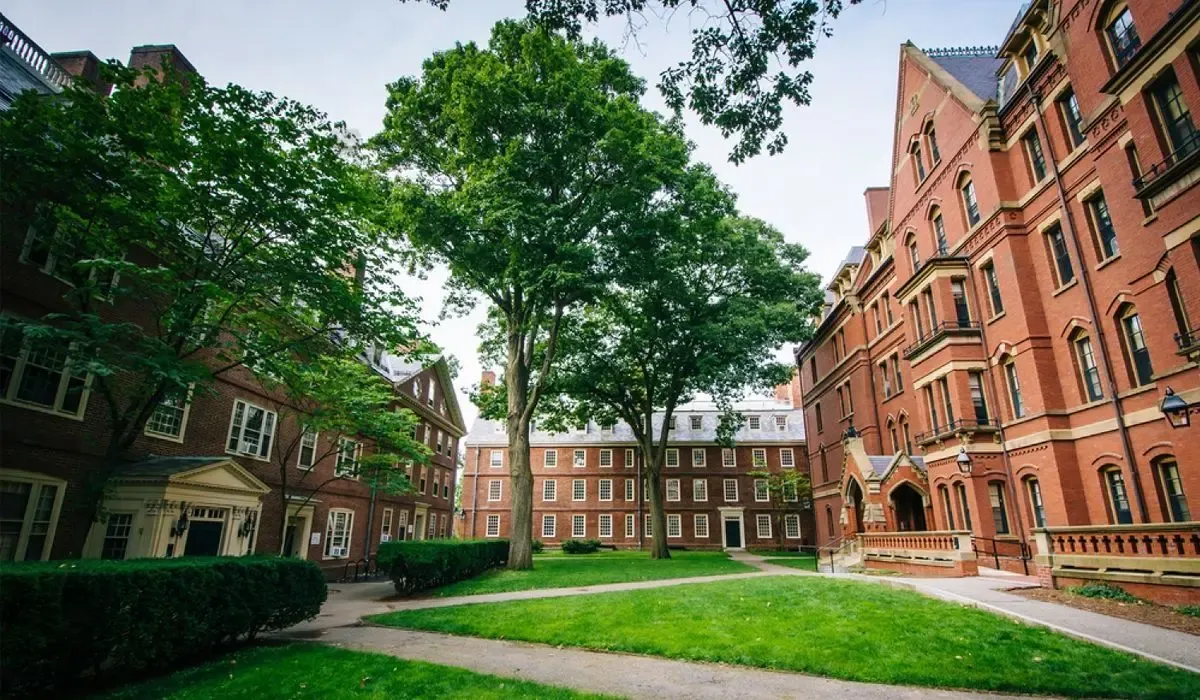
Studying in the US? A Guide for Canadian Students
Studying in the United States offers Canadian students access to world-class universities, diverse academic programs, and valuable global experience. This guide explains how Canadians can apply to US schools, obtain student visas, manage tuition costs, and save on CAD to USD transfers with MTFX for a smoother study abroad journey.
Studying in the United States opens a world of opportunity for Canadians seeking academic excellence and global experience. As a Canadian studying in the USA, you’ll discover new perspectives, diverse learning environments, and a pathway to build both professional and personal growth. The best US universities for Canadian students offer top-tier programs, innovative research opportunities, and vibrant campus communities that foster success. However, adjusting to a new education system, managing cross-border finances, and settling into a different culture can take careful planning. With the right preparation, your US education journey can be seamless, enriching, and truly life-changing.
Can a Canadian citizen study in the USA?
Yes, Canadian citizens can absolutely study in the USA, and the process is simpler than it is for most other international students. While Canadians don’t need a visitor visa to enter the country, Canadian students studying in the US must obtain an F-1 student visa to enrol in an American college or university. Once you’re accepted into a US institution, your school will issue an I-20 form, which you’ll use to pay the SEVIS fee and schedule your visa interview.
Studying in the US opens doors to world-class universities, diverse academic programs, and global networking opportunities for international students. Before you go, make sure to plan your study abroad journey carefully. You need to check your budget for tuition, living expenses, and health insurance, as costs can vary widely depending on the institution and location.

Why study in the US as a Canadian?
For many Canadians, studying abroad is a major life decision, and the United States remains one of the most appealing destinations. Studying in the US as a Canadian offers access to world-class education, cultural diversity, and career-building opportunities that few other countries can match. It’s not just about earning a degree; it’s about experiencing personal growth, gaining international exposure, and developing skills that will serve you throughout your life. With the right planning, this cross-border education journey can be one of the most rewarding investments you’ll ever make.
Access to globally recognized universities
The US is home to some of the best US universities for Canadian students, known for innovation, academic excellence, and global prestige. Whether you’re considering Harvard, Stanford, or UCLA, US universities for Canadian students offer opportunities to study under world-class professors, collaborate on groundbreaking research, and join a truly international academic community. For Canadians studying in the USA, these institutions provide unmatched learning experiences that help shape future leaders.
Wide range of academic opportunities
The US offers one of the most diverse education systems in the world. Whether you’re interested in business, engineering, medicine, or the arts, there’s a program that fits your goals. International students studying in the US, especially Canadians, can explore thousands of institutions with specialized degrees and flexible pathways that may not be available at home. From liberal arts colleges to research universities, the choices are extensive and tailored to every interest.
Experience cultural and professional growth
For Canadians studying in the USA, the experience extends far beyond classrooms and textbooks. Immersing yourself in a multicultural environment builds adaptability, independence, and global awareness, qualities that employers value. Many universities also offer internships, co-op placements, and research opportunities that give students hands-on experience with leading US organizations, paving the way for stronger career prospects.
Proximity and ease of travel
Another major advantage of studying in the US as a Canadian is geographical convenience. The shared border means travelling between the two countries is quick and affordable, allowing you to visit family during holidays or breaks without the long-haul travel many international students face. This proximity also helps when managing logistics like banking, communication, and access to familiar brands and services.
Health insurance and student support
When it comes to health insurance for Canadian students studying in the US, it’s essential to plan ahead. Unlike in Canada, healthcare in the US isn’t publicly funded, and most schools require international students to have health coverage. Many universities offer comprehensive student health plans that can be customized based on your needs. Before you arrive, review your school’s insurance options or explore private plans that cover medical care during your stay.
Build a stronger career foundation
A degree from a top American university can open doors globally. Employers recognize the value of a US education. It focuses on research, innovation, and critical thinking. Many Canadian students studying in the US find that their academic experience gives them a competitive edge in both Canadian and international job markets. Combined with cross-border experience and global exposure, your US degree becomes a powerful asset for your professional future.
Besides the above reasons, paying for US universities is very easy for Canadians who use a credible money transfer platform.If you choose MTFX, you can enjoy same-day transfers and bank-beating rates.
US universities for Canadian students - how does it differ from Canada?
The US and Canadian education systems share many similarities, but there are several key differences that Canadian students should be aware of when considering studying in the United States:
- US institutions may offer a wider variety of degree programs and majors, including more options for interdisciplinary studies.
- US institutions might require standardized tests like the SAT or ACT, alongside essays, letters of recommendation, and extracurricular activity records.
- US universities often require students to complete general education courses outside their major for a well-rounded education.
- Tuition costs in the US vary widely and are generally higher than in Canada, especially for international students.
- The US uses a grading system that typically ranges from A-F, with grade point average (GPA) calculation variations.
- US universities often have a more pronounced campus culture, with extensive on-campus housing, vibrant life, and a focus on sports.
How to study in the US as a Canadian?
The United States, with its 50 diverse states, offers endless educational opportunities for students from around the world. For a Canadian studying in the USA, the options are just as exciting, whether you're drawn to the bustling academic life of New York, the sunny campuses of California, or the research-driven institutions in Massachusetts. However, applying to US universities from Canada can initially seem overwhelming. With so many choices, narrowing down where and how to study, including understanding how to apply to American universities from Canada, can seem overwhelming. However, when you focus on your budget, academic goals, ideal location, and available financial aid, the process becomes much clearer. Aligning these factors with your lifestyle helps you find the perfect university to make your international education both successful and rewarding.
With a wide range of colleges and universities offering diverse programs and campus experiences, finding the perfect fit requires careful consideration of several key factors:
Academic programs and majors: Choose institutions that offer strong programs in your area of interest. Research faculty qualifications, curriculum details, available resources, and internship or co-op opportunities. For a Canadian studying in the USA, it’s important to find schools that align with your long-term goals, whether academic, professional, or personal.
Accreditation: Verify that a recognized accrediting agency accredits the institution. Accreditation ensures that the education provided meets specific quality standards and that employers and other institutions will recognize degrees.
Location and campus setting: The US offers a range of settings, from large urban campuses to quieter rural colleges. Consider factors like climate, transportation, safety, and cultural environment. As a Canadian studying in the USA, proximity to the Canadian border may also make it easier to visit home during holidays.
Cost and financial considerations: Tuition and living expenses vary widely by university and location. It’s essential to understand the total cost of attendance, including tuition, housing, food, and additional fees. If you plan to get a Canadian student loan to study in the USA, check whether your chosen US school is eligible under federal or provincial loan programs. Many Canadians explore Canadian student loans for US schools or scholarships designed specifically for cross-border education. Also, consider the exchange rate when converting CAD to USD and look for low-fee international payment options for tuition. Use the following currency converter to learn how much it will cost you transfer money.
Support services for international students: Strong student support makes a big difference. Look for universities that offer orientation programs, academic advising, visa assistance, and cultural integration support for international students studying in the US.
Housing options: Consider the housing options available, including on-campus dormitories, off-campus apartments, and the possibility of living with a host family.
You can also streamline your search in the following ways:
- Use US school search tools or check school profiles to find top options under one roof.
- Browse US state guides to learn more about the 50 states and the American way of life.
- Get feedback from other Canadians studying in the USA through online student communities or alumni groups.
- If possible, visit the USA as a tourist to explore the local area and campus for your top options.
Questions to ask
- Is the school certified under the Student and Exchange Visitor Program (SEVP)?
- Does it offer the programs, extracurriculars, or internships I’m most interested in?
- What’s the campus culture and student community like?
- How much is tuition, and what financial aid or Canadian student loans for US schools are available?
- Does the school align with my preferences for diversity, safety, and accessibility?
Tuition payments and foreign exchange challenges
Financial planning is one of the most important aspects of preparing to study in the USA for international students, especially for Canadians. Managing tuition payments, accommodation, and everyday expenses across borders means dealing with fluctuating exchange rates, banking regulations, and transfer fees. For Canadian students studying in the USA, understanding how to navigate these financial hurdles can help prevent unexpected costs and ensure smoother payments throughout your study period.
Exchange rate fluctuations
The exchange rate between the Canadian dollar (CAD) and the US dollar (USD) changes constantly, which can directly impact tuition and living costs. Even a small shift in rates can mean paying hundreds more when you pay US tuition from Canada. Monitoring live exchange rates and transferring funds when rates are favourable can make a significant difference in your total expenses.
International transaction fees
Many Canadian banks and credit cards charge high conversion and transaction fees for international payments. These charges can add up quickly, especially when making recurring payments such as tuition instalments, rent, or meal plans. To reduce costs, explore specialized money transfer providers that offer competitive CAD to USD exchange rates and lower service fees - ideal for anyone planning to study in the USA for international students. Check the CAD to USD rate chart below to understand the trend of this pair.
Payment deadlines and processing times
International bank transfers can take longer to process, increasing the risk of missing tuition or housing deadlines. Universities in the US often require payments by specific dates, and late transfers can lead to penalties or account holds. Setting reminders and using trusted online transfer platforms can help ensure your funds arrive on time.
Budgeting and financial management
For any Canadian studying in the USA, creating a detailed budget is essential. Account for tuition, accommodation, travel, and everyday living expenses, while factoring in exchange rate changes and bank fees. Review and adjust your budget regularly to stay on track, and consider setting up alerts or automated transfers for predictable costs.
By proactively managing their finances and choosing the right payment methods, Canadian students can minimize costs, maintain control over their budgets, and focus on what truly matters, making the most of their study experience in the US.
Why does the USD/CAD exchange rate matter for Canadian students?
The USD/CAD exchange rate plays a crucial role for Canadians studying in the USA because it directly impacts the cost of tuition, living expenses, and other financial commitments. A weaker Canadian dollar means higher costs for tuition fees, housing, and daily living, making budgeting essential. For those applying to an American university from Canada, understanding the exchange rate can help plan finances and explore options like scholarships or financial aid. Monitoring the USD/CAD rate and using efficient money transfer services ensures Canadian students minimize currency exchange costs while studying at the best US universities for Canadian students.
You can also set up CAD to USD rate alerts and get instant notifications when the rate hits your desired target. This way, you can lock in a favourable CAD/USD exchange rate and save hundreds of dollars every time you send money to the US from Canada.
How can MTFX help Canadians studying in the US?
MTFX, a leading foreign exchange and global payments solutions provider, can be a valuable resource for Canadian students studying in the United States by addressing many international payment and foreign exchange challenges. Here's how MTFX can assist:
You get better-than-bank exchange rates
MTFX offers better exchange rates than your bank, which can result in significant tuition and living expenses savings when converting Canadian dollars to US dollars. This can also help you mitigate the impact of fluctuating exchange rates.
You pay lower transaction fees
Unlike traditional banks, MTFX charges lower transaction fees for international transfers. This can reduce the cost of sending money abroad for tuition payments, accommodation, and other expenses.
You ensure fast and secure transactions
MTFX provides fast and secure international money transfers, ensuring that your tuition and other payments are made on time and reducing the risk of missing important deadlines due to processing delays.
You simplify the payment process
The MTFX online platform offers a convenient way to manage and track international payments, making it easier for students to handle their financial transactions from anywhere, at any time.
You get tailored payment solutions
We can provide tailored solutions to meet the specific needs of Canadian students in the US, including recurring payments for tuition and regular transfers for living expenses.
You reduce currency fluctuation risk
MTFX offers tools like market orders to manage foreign exchange risk. These tools can help lock in exchange rates or execute trades at desired rates, providing more predictability in education expenses.
Best US universities for Canadian students
Choosing where to study in the US can be an exciting yet challenging decision, especially for Canadians. Each state and university offers something unique, from vibrant city life to world-class academic programs. For someone studying in the USA from Canada, finding the right fit depends on your academic interests, financial goals, and lifestyle preferences. States like California, Massachusetts, New York, Texas, and Washington are home to some of the top-ranked institutions offering cultural diversity and generous financial aid options.
When researching universities, consider factors such as tuition costs, available scholarships, and even access to Canadian student loans for US schools. Many American institutions provide flexible funding options that make studying abroad more affordable and accessible for Canadians.
Like many students, you might have a wishlist of US colleges, and you might be thinking which one to choose. Here’s a closer look at some of the top universities that consistently rank among the best choices for Canadian students. You can choose one based on your requirements.
Harvard University
Located in Cambridge, Massachusetts, Harvard is synonymous with academic excellence and global influence. With world-leading research facilities, accomplished faculty, and a prestigious alumni network, Harvard is a dream destination for many Canadians. The university’s need-based financial aid and support services make it one of the best US universities for Canadian students.
Stanford University
Situated in Silicon Valley, Stanford stands out for its innovation, entrepreneurship, and close ties to the tech industry. It’s ideal for students interested in business, technology, or creative fields. Stanford’s scholarships and global research opportunities make it an appealing choice for those planning to study in the USA for international students.
Massachusetts Institute of Technology (MIT)
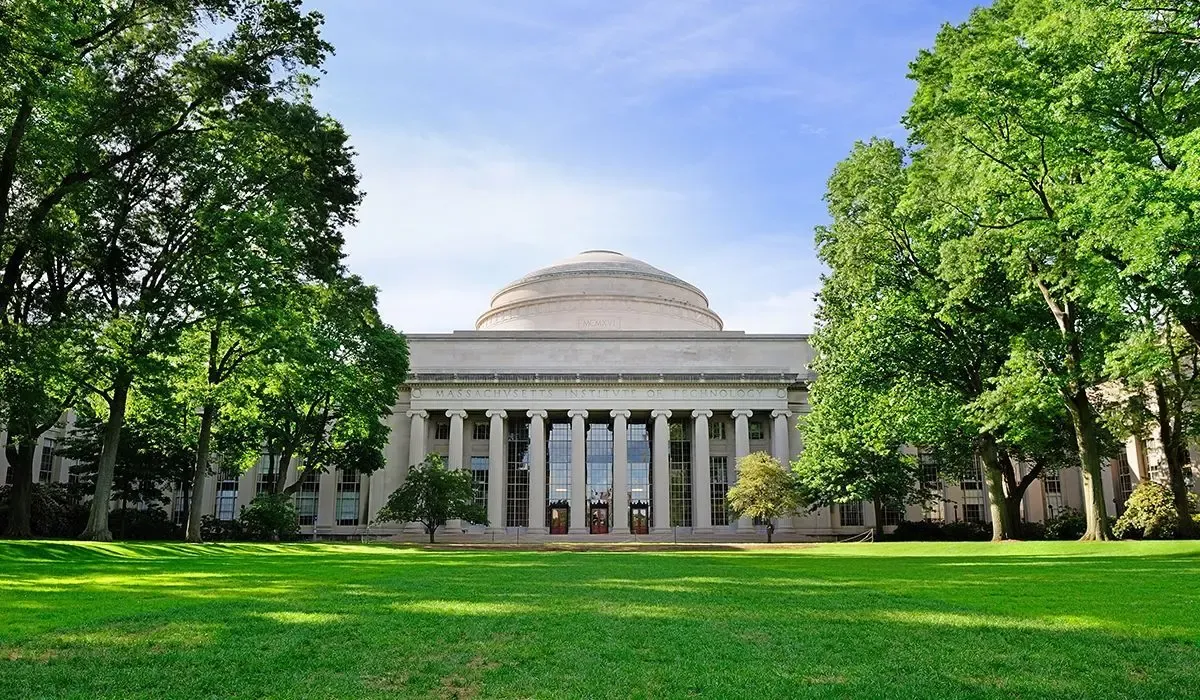
MIT is world-renowned for excellence in science, technology, and engineering. Its collaborative environment attracts students who want to be at the forefront of innovation. The university also provides generous aid and mentorship programs, making it an excellent option for Canadian students in the USA.
University of California, Berkeley
UC Berkeley offers academic prestige, social activism, and a dynamic campus culture. Known for programs in law, business, and the humanities, it attracts students looking for a balance between academics and lifestyle. Its location near San Francisco provides strong professional opportunities and scholarships for Canadian students studying in the USA.
Columbia University
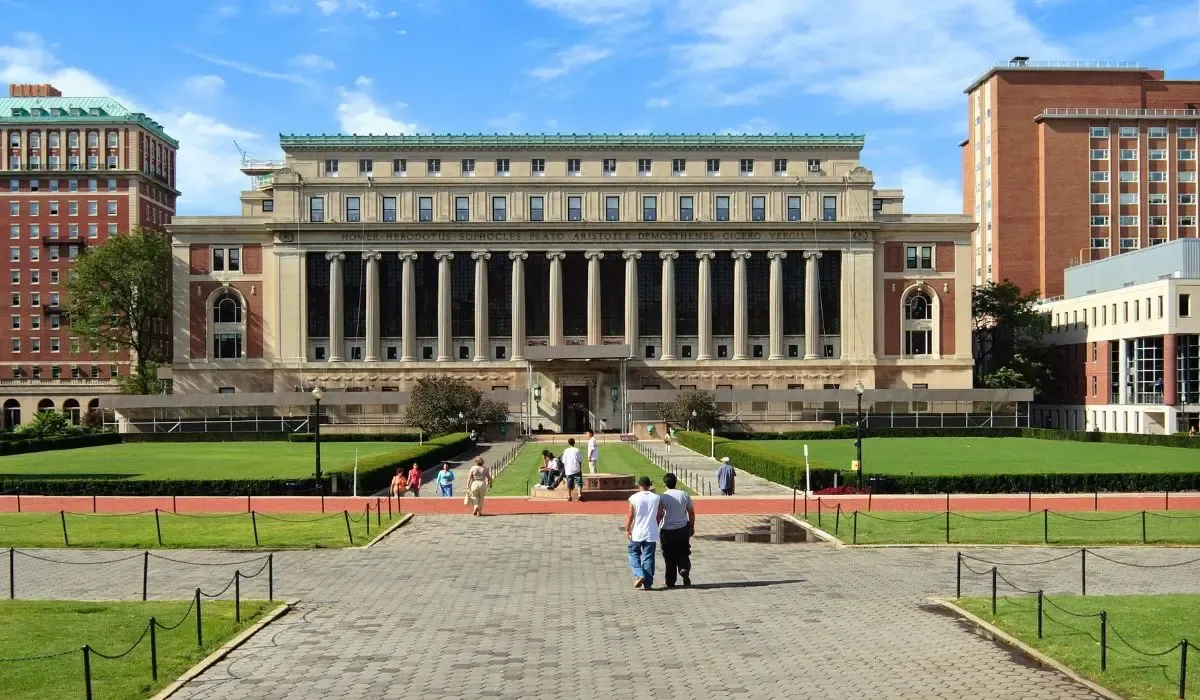
In the heart of New York City, Columbia University combines academic excellence with the energy of an urban campus. Its programs in journalism, arts, and social sciences are highly regarded, and its international student support services are exceptional. It’s a top destination among US universities for Canadian students.
Yale University
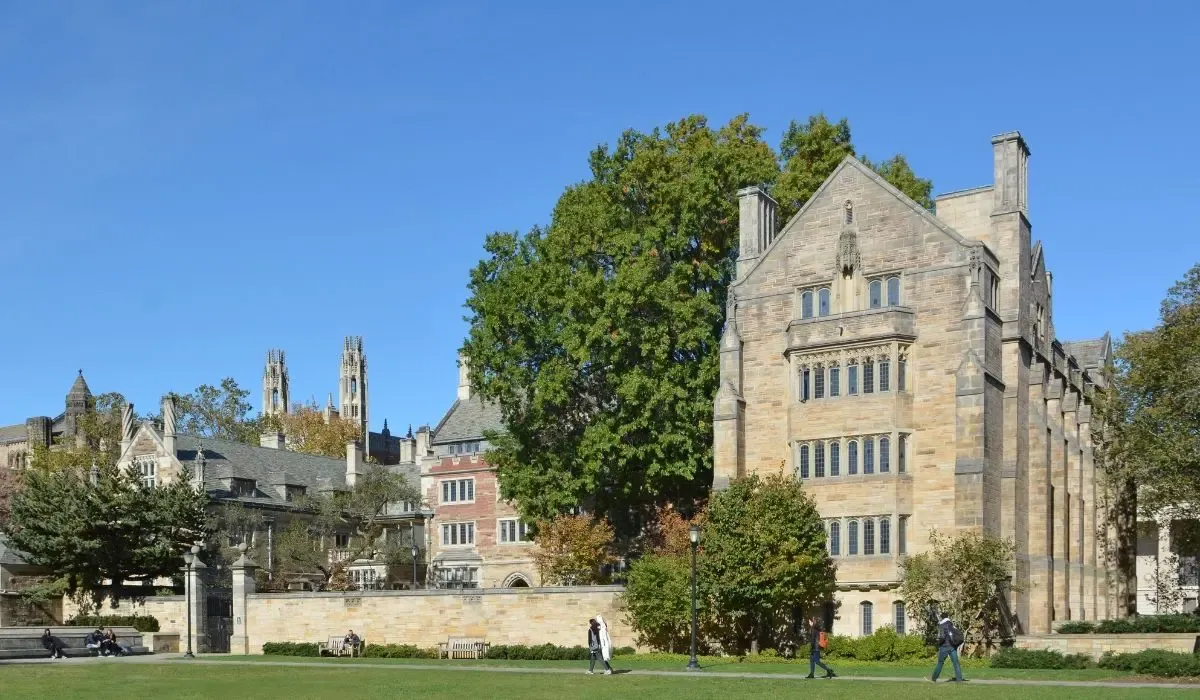
Yale, located in New Haven, Connecticut, blends tradition with innovation. Known for its liberal arts education and strong sense of community, it offers extensive resources to support academic and personal growth. For many, Yale represents a dream opportunity for Canadians studying in the USA.
Princeton University
Princeton stands out for its focus on undergraduate education, small class sizes, and close mentorship. Its generous financial aid and welcoming environment make it ideal for Canadians seeking a world-class education abroad. It also provides resources and guidance related to Canadian student loans for US schools to help students manage tuition costs effectively.
Most affordable universities in the USA for Canadian students
For Canadian students studying in the US, affordability and quality often go hand in hand. Many US universities for Canadian students offer low tuition, flexible study options, and financial aid that make earning a degree more accessible.
Brigham Young University, Idaho and Brigham Young University, Hawaii are known for their affordable tuition and strong undergraduate programs. University of Wisconsin, Milwaukee Flex offers self-paced online degrees, ideal for students balancing study and work. Columbia Southern University provides flexible online learning at low costs, while the University of the People offers fully online, tuition-free degree programs, an excellent choice for international students studying in the USA.
Students should also explore scholarships for Canadian students studying in the USA, which can significantly reduce expenses. By comparing tuition fees, online options, and scholarship availability, Canadians can find the best US universities for Canadian students that fit both their academic and financial goals.
Applying to an American university from Canada
Each university in the US has its own set of admission requirements, which means preparation and organization are key for Canadian applicants. This step-by-step guide outlines how to successfully study in the USA for international students, providing practical details for a smooth and well-planned application process.
Step 1: Build a smart shortlist
Begin by identifying universities that match your academic goals, preferred location, and budget. Consider program rankings, faculty quality, internship opportunities, and overall student experience. When shortlisting US universities for Canadian students, review their tuition rates, graduation outcomes, and available student services. Choosing a balanced mix of reach, match, and safety schools increases your chances of acceptance and ensures that each option aligns with your academic and personal priorities.
Step 2: Plan your budget and funding
Studying abroad requires careful financial planning, including exploring financial aid for Canadian students studying in the USA to better manage tuition and other expenses. Research the full cost of attendance, including tuition, housing, transportation, books, and health insurance. Check whether your chosen institutions are eligible for Canadian student loans for US schools, as many American universities participate in cross-border financial aid programs. Additionally, explore scholarships and bursaries that help reduce expenses, including university-funded and private scholarships for Canadian students studying in the USA. Tracking your financial requirements early helps you stay organized when offers begin to arrive.
Step 3: Gather your academic documents
Once you’ve selected your preferred universities, start preparing all the required application materials. Most schools ask for official high school or post-secondary transcripts, standardized test scores such as the SAT or ACT, and details of your academic achievements. Strong applications also include well-written essays, letters of recommendation, and records of extracurricular or volunteer activities that highlight your leadership and interests. Organizing these documents early gives you time to review them carefully and ensures your application fully represents your academic strengths and readiness for a Canadian study in the USA experience.
Step 4: Complete your applications
Each university has its own online application system, and submission deadlines vary. Complete all required fields accurately, proofread your essays, and submit before the deadline. Application fees are typically non-refundable, so verify each payment before submission. Many of the best US universities for Canadian students also have early action or early decision options, which can improve your chances of acceptance and access to scholarships. After submission, monitor your application portal for updates, additional document requests, or interview invitations.
Step 5: Accept your offer and obtain your I-20
After receiving an offer of admission, notify your chosen institution of your intent to enrol and begin the process of obtaining a US student visa for Canadians. The school’s international office will issue your Form I-20, an essential document confirming your eligibility to study in the US. Review the form carefully to ensure all details, including your personal information, program start date, and funding, are correct. The I-20 is required for all international students to pay the SEVIS fee and obtain student status.
Step 6: Register with SEVIS and pay the I-901 fee
Before entering the United States, you must register with the Student and Exchange Visitor Information System (SEVIS). Pay the I-901 SEVIS fee using the number listed on your I-20 form and keep your payment receipt. This fee activates your student record and allows you to proceed with border documentation. Remember that this is a one-time registration process before your first entry into the US as an international student.
Step 7: Obtain F-1 or M-1 status at the border
Canadians do not need to apply for a visa at a US consulate but must obtain the proper status at the border. When you arrive, present your passport, I-20 form, SEVIS payment receipt, school admission letter, and proof of financial support. The officer will issue you an F-1 status for academic programs or an M-1 status for vocational programs. Verify your admission stamp and digital Form I-94 after crossing the border to confirm that your entry was recorded correctly. This step officially grants you permission to study in the USA for international students programs.
Step 8: Complete arrival and orientation requirements
Once you arrive on campus, check in with your university’s international student office. Complete any required forms, attend orientation, and finalize your class registration. Orientation is also an excellent opportunity to learn about campus life, meet fellow international students, and understand work regulations under your F-1 status. If your school requires health insurance, confirm your coverage before classes begin to avoid penalties or late enrolment.
Step 9: Stay organized and compliant
Maintain all important documents, including your I-20, SEVIS receipt, and I-94 record, in a safe place. Track deadlines for tuition, class registration, and immigration reporting. Stay enrolled full-time each term to maintain your student status and seek guidance from your school’s international office before making changes to your program or travel plans.
Applying to an American university from Canada involves multiple steps, so it's helpful to follow a US student checklist for Canadians to ensure nothing is overlooked, and with careful preparation, the process can be smooth and rewarding. By managing finances, staying on top of deadlines, and understanding visa requirements, Canadian students can confidently begin their education at one of the best US universities for Canadian students and build a strong foundation for success.
Checklist for Canadian students looking to study in the US
- Understand each university's specific application requirements.
- Check deadlines for applications.
- Register for and take required standardized tests (SAT/ACT).
- Write personal statements/essays.
- Request high school transcripts to be sent to universities.
- Obtain letters of recommendation from teachers or counsellors.
- Prepare a resume or list of extracurricular activities and achievements.
- Research scholarship, grant, and financial aid opportunities.
- Prepare financial documents required for the application and visa process.
- Submit the application(s) before the deadline.
Cost of education in the US
Studying in the US can be a highly rewarding experience, but like all good things in life, it costs money. You can expect to include the following in your budget when planning to study in the US:
SEVIS fee: The SEVIS fee is subject to change. It's a standard requirement for all international students in the US. Fortunately, it's a one-time expense.
Travel expenses include the cost of your plane ticket and transportation once you arrive in the US. Your transportation costs might be higher if you live off-campus.
Health insurance: Some colleges and universities require international students to purchase health insurance. The US doesn't have nationalized healthcare, unlike Canada. Instead, the system is more privatized, and you're responsible for covering your medical costs. Your two main options are purchasing student health insurance from your school or a reputable private company. Some Canadian companies also offer health coverage for Canadians studying abroad. The cost will vary based on the required coverage per year.
Tuition and living expenses: This often represents the highest cost of studying abroad. You can expect tuition in the USA to be significantly higher compared to Canada. However, the total costs depend on the program you're learning, your chosen school, and your location. Living expenses typically include groceries, food, books, study materials, and other basic or daily expenses. To manage these costs efficiently, many Canadian students rely on secure international transfers for overseas studies through MTFX.
Room and board: Opting for on-campus residence is often cheaper, though you'll have to share with other students. You can also choose a shared non-campus residence, which varies in cost based on location.
Unexpected expenses: It's always wise to budget for unforeseen expenses in case of emergencies, such as health threats and family emergencies that require you to travel home.
So, how much does this all add up to? There's no one-size-fits-all answer because each student's experience is unique. Generally, the costs can range between $40,000 and $75,000 or more, depending on the course and whether it's a private or public college.
Admittedly, the cost of studying in the US can add up. Where possible, apply tips such as buying used textbooks, cooking instead of ordering out, looking for discounts when shopping, and looking for discounted tuition rates.
Paying for your overseas education
For most Canadians, the wholesome experience of studying in the US comes with a five-figure price tag. Fortunately, there are ways to reduce the total costs or get the extra cash you need to cover essential expenses. You can look for scholarships and grants. The Canadian government offers student loans, bursaries, and scholarships to Canadians wanting to study abroad, while some provinces provide grants. You can also contact your school to discuss financial aid options for international students.
If you need to take out a loan, remember that US student federal loans are unavailable to Canadians. Instead, you can apply for a private loan with a US lender, though you might need a cosigner who's a qualifying US citizen. You can also check with your local Canadian banks to see if they offer a suitable financial product.

Focus on education and let MTFX take care of your international payments
Wrapping up and managing money is a big part of studying in the US for Canadian students. Paying for tuition fees and living costs means dealing with money across borders, which can be tricky. It's essential to have a good plan for these international payments to make sure everything goes smoothly and doesn't cost too much.
Using an expert foreign exchange service like MTFX can help. We offer bank-beating rates for exchanging money and charge less for sending money to the US. Planning, watching for changes in exchange rates, and picking the right service can save you money and hassle. So, as you prepare for your adventure in the US, remember that wise money management is critical. By tackling money matters wisely, you can spend more time enjoying your studies and new experiences in the US.
Create your student account today on MTFX and start saving up to thousands of dollars on CAD to USD conversions and global money transfers to the US.
FAQs
1. What are the key steps for a Canadian study in the USA?
You’ll need to research eligible schools, apply and obtain an I-20 form, register with SEVIS, enter the US in F-1 or M-1 status, and plan how to pay tuition and living costs from Canada.
2. How can Canadian students find the best US universities?
Look for schools with strong support for international students, competitive tuition for Canadians, good graduation outcomes, and pathways for scholarships or student loans. Focus on universities that qualify as top US universities for Canadian students in terms of cost, culture fit and career outcomes.
3. Is it possible to study in the USA for international students if I’m Canadian?
Yes. Canadian citizens count as international students when applying to US institutions and can follow the same process: apply, get acceptance, receive an I-20, pay the SEVIS fee, and enter with proper student status.
4. Can I get a Canadian student loan to study in USA?
In many provinces, you can. Check with your provincial student loan office whether your chosen school is approved for Canadian student loans. The rules vary by province and institution.
5. How to pay US tuition from Canada without excessive fees?
Use a provider or bank offering favourable CAD to USD exchange rates and low international transaction fees. Set up payments early to avoid delays. Consider using specialist cross-border payment solutions rather than only Canadian bank transfers for reliable cost control.
6. What should Canadian students studying in the US know about health insurance?
US schools almost always require health insurance. Confirm whether your Canadian plan covers you in the US or whether you need to enrol in a US student health plan. Review what it covers (hospital, outpatient, emergency, repatriation) and ensure it satisfies your university’s requirements.
7. Where can I find scholarships for Canadian students studying in the USA to reduce costs?
Explore awards directly from US universities, the Canadian government or private foundations. Filter specifically for “scholarships for Canadian students studying in the USA”. Use school international student financial aid pages, Canadian scholarship databases and provincial education websites.
8. Are there many affordable US universities for Canadian students, and how to spot them?
Yes, look for US institutions with low tuition, generous international student support, strong value for money and culture that welcomes US universities for Canadian students. Consider the total cost (tuition + living) and compare how these schools support Canadian applicants.
9. How do I narrow down US universities for Canadian students when comparing dozens of options?
Start by listing your priorities: program strength, cost, scholarships, proximity to Canada or major transport, support for international students, and currency-exchange risk. Then compare schools directly on those criteria, including how well they treat Canadian students studying in the US and whether they qualify for Canadian student loans.
10. Are Canadians considered international students in the US?
Yes. Canadian students are classified as international students at US institutions, even though Canada and the US have a close bilateral relationship. This means Canadians must follow international admissions requirements and are subject to policies that apply to non-US residents.
11. Do Canadian students need a visa to study in the US?
Yes. Canadian students must obtain a US student visa to study in the United States, and it's important to understand the study visa requirements for Canada. Most students apply for an F-1 visa after receiving an acceptance letter and the required documentation from a US school.
12. Do Canadians pay international tuition in the US?
In most cases, yes. Canadian students typically pay international or out-of-state tuition rates at US universities, which are usually higher than in-state fees and vary by institution and program.
13. Who can study in the US?
Anyone who is accepted by a recognized US educational institution and meets the country’s immigration requirements can study in the United States. This includes international students, such as Canadians, who must secure the appropriate student visa and demonstrate they can meet academic, financial, and compliance requirements set by both the school and US authorities..
Create your student account today on MTFX and start saving up to thousands of dollars on CAD to USD conversions and global money transfers to the US.